Capital One Faces Lawsuit Over Debanking Conservative Gun Shop Owner
A Maryland gun shop owner sues Capital One after the bank cut off payment processing, reigniting debate over whether major financial institutions are silencing conservative customers through debanking.
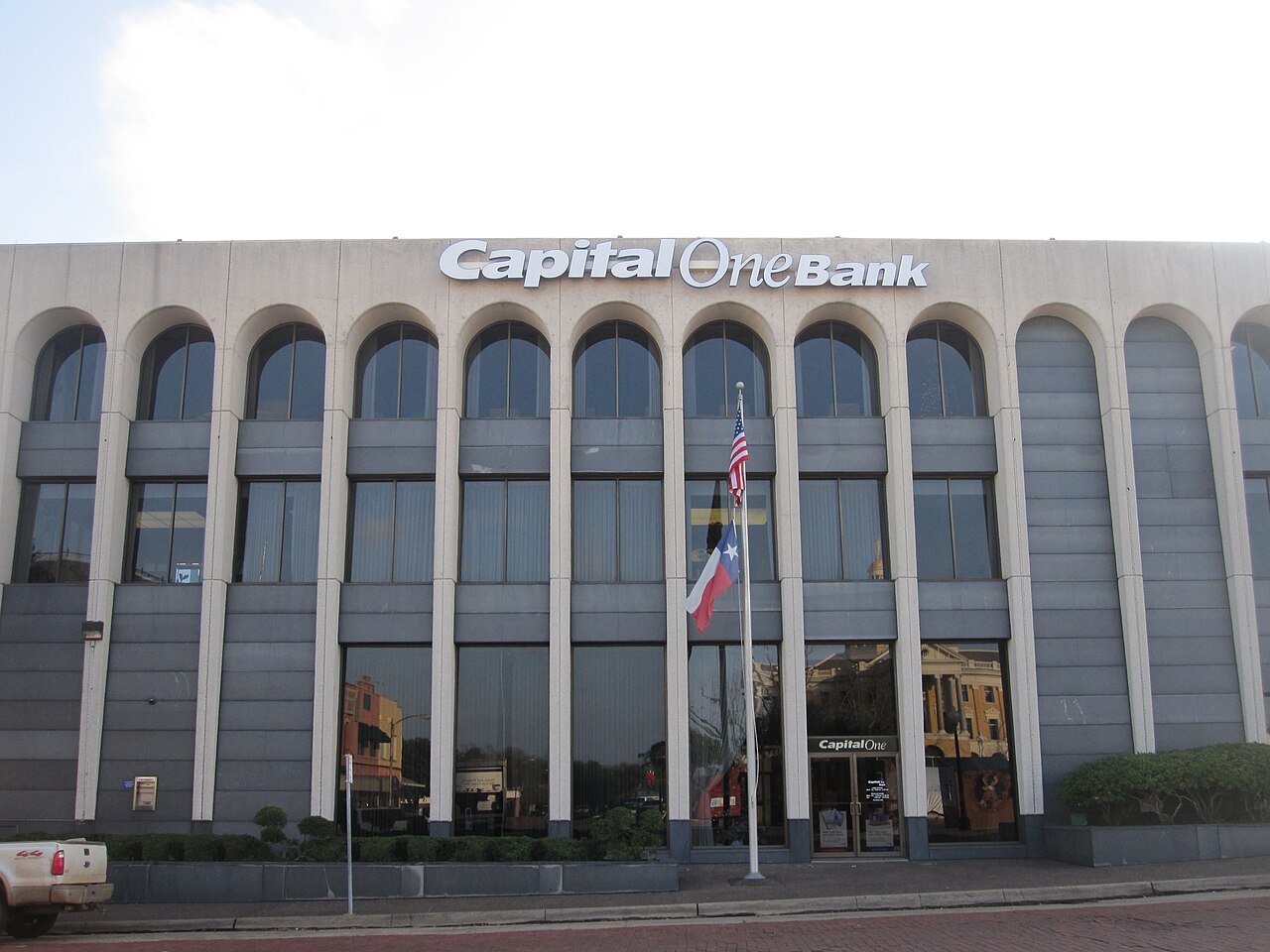
A federally licensed Maryland gun shop found itself locked out of the banking system, unable to accept payments from customers. The lawsuit filed by United Gun Shop owner Jonathan Bennett accuses Capital One of debanking his business for no legitimate reason, exposing a wider pattern of major banks restricting financial access to conservative customers.
Bennett filed suit after Capital One's third-party processor, Melio Payments, flagged his Rockville business as a "prohibited industry" in April 2025 and later as a "restricted industry" in March 2026. The shop had processed transactions without incident since December 2024. Bennett is seeking approximately $75,000 in damages for violations of Maryland consumer protection laws, breach of contract, and commercial disparagement.
"As an American-owned small business operating legally, we were shocked when Capital One abruptly stopped processing our payments without any clear explanation," Bennett stated. The lawsuit provides the kind of concrete evidence federal regulators have been searching for in their effort to confront systemic financial discrimination.
The lawsuit arrives as Capital One continues spending heavily on progressive causes. The bank launched a $200 million, five-year "Impact Initiative" focused on racial equity in 2020. It spent $704 million with diverse suppliers in 2021, invested $75 million in renewable energy tax equity, and earned top rankings on the Human Rights Campaign Corporate Equality Index 2025 while partnering with transgender youth initiatives.
"It apparently isn't enough for Capital One to fund and promote racist DEI, climate activism, and extreme transgender policies; the company is also debanking its own customers simply for holding views outside leftist ideology," said Will Hild, executive director of Consumers' Research. "Capital One has been caught debanking law-abiding citizens again."
Capital One faces similar allegations in a separate lawsuit from the Trump Organization, filed in March 2025. The complaint alleges the bank closed more than 300 Trump-linked accounts in 2021, "believing the political tide at the moment favored doing so." U.S. District Judge Roy Altman dismissed the suit March 20, but allowed the plaintiffs to refile by July 2 after finding the complaint had done "just enough" to allege political debanking.
The bank flagged the litigation in its May 11 SEC filing, noting it is "responding to demands and requests" from federal agencies regarding fair access to banking.
Federal regulators have now documented a systemic pattern across nine major banks. Preliminary findings from the Office of the Comptroller of the Currency, released December 10, 2025, revealed that JPMorgan Chase, Bank of America, Citibank, Wells Fargo, U.S. Bank, Capital One, PNC Bank, TD Bank, and BMO Bank maintained policies restricting customer access based on reputational concerns rather than financial risk.
Restricted sectors included firearms and ammunition, coal mining, Arctic oil and gas, private prisons, payday lending, tobacco, adult entertainment, political action committees, and digital assets. Some banks triggered heightened review based solely on negative media coverage.
"The OCC is committed to ending efforts that would weaponize finance," Comptroller Jonathan V. Gould stated, criticizing banks that "thought these harmful debanking policies were an appropriate use of their government-granted charter and market power."
The OCC and FDIC issued a joint final rule April 7, 2026, prohibiting both agencies from criticizing institutions based on reputation risk or requiring account closures tied to political, social, cultural, or religious views.
Capital One states it "has not and does not close customer accounts for political reasons." That denial conflicts with the United Gun Shop lawsuit and OCC findings that Capital One maintained restrictive policies. The bank's corporate terms previously listed "ammunition, firearms, or firearm parts" as prohibited payments before removing the provision.
Industry groups are mobilizing against the practice. NRA-ILA Executive Director John Commerford called for a federal investigation May 10, stating: "Companies that deliberately hinder the lawful commerce of firearm manufacturers and retailers must be investigated immediately and held fully accountable."
President Trump signed Executive Order 14331 on August 7, 2025, directing federal banking regulators to eliminate "reputational risk" as a factor and investigate "politicized or unlawful debanking." Florida, Tennessee, and Idaho have enacted anti-debanking laws based on model legislation from Alliance Defending Freedom.
The OCC is reviewing nearly 100,000 consumer complaints to identify instances of political and religious debanking. The stakes extend far beyond gun dealers. Any lawful business whose owners hold views outside the progressive consensus now faces the question of whether American finance will remain accessible to all, or become weaponized against ideological opponents.