Supreme Court Overrides State Sovereignty to Protect Pill Industry
The Supreme Court's 7-2 order preserves nationwide mail-order abortion pills, overriding a Fifth Circuit safety ruling and drawing sharp dissents from Justices Alito and Thomas over state sovereignty.
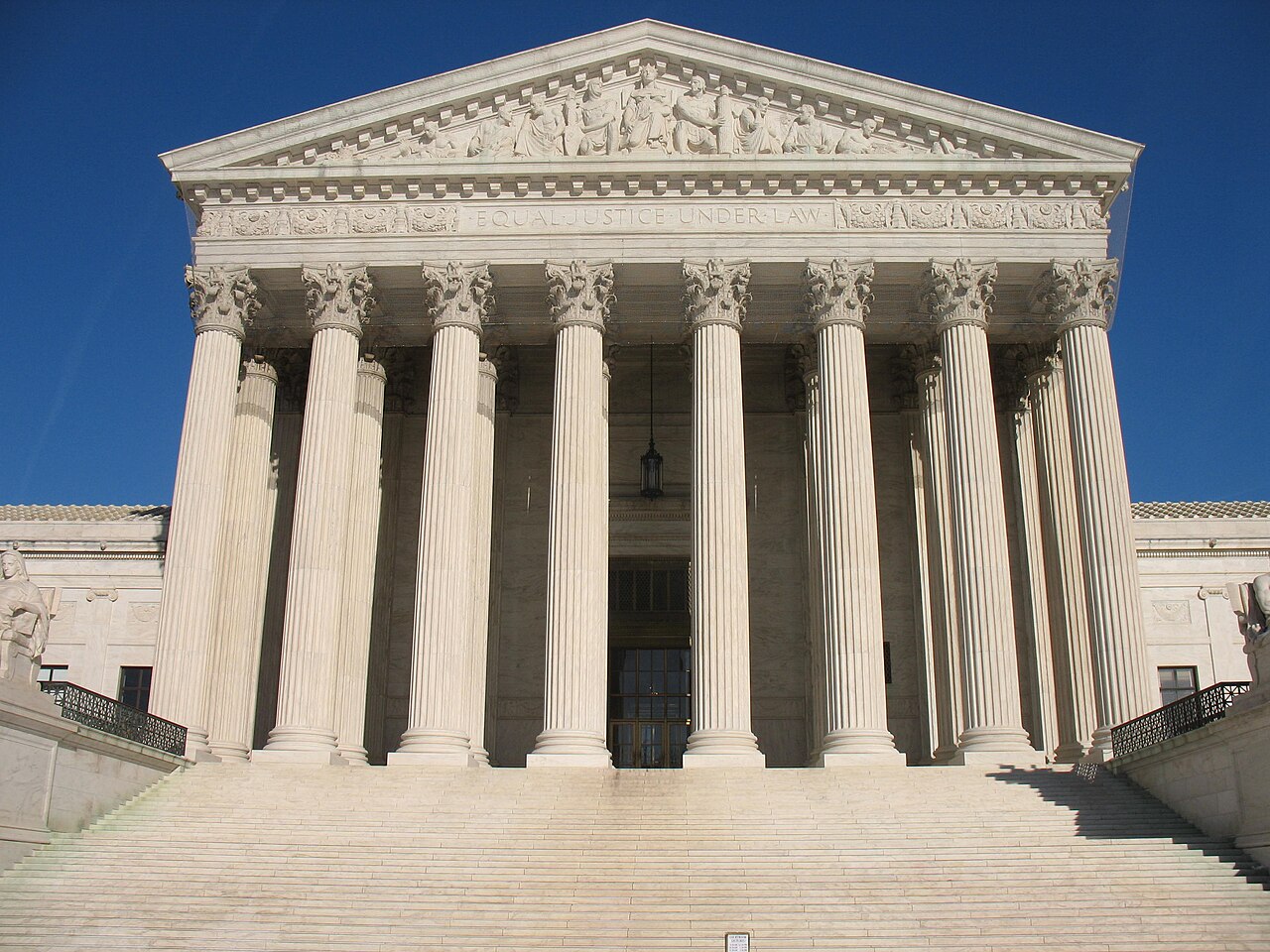
The Supreme Court intervened Thursday to preserve nationwide mail-order access to abortion pills, issuing an unsigned order that overrides a federal appeals court's safety ruling and locks in federal deregulation. The unexplained 7-2 stay prioritizes a nationalized, mail-order abortion model over state sovereignty and pending FDA safety reviews.
Justices Samuel Alito and Clarence Thomas dissented from the majority's unreasoned order. The Court blocked the Fifth Circuit's May 1 reinstatement of in-person dispensing requirements for mifepristone, ensuring abortion pills can continue to be mailed across state lines and prescribed via telehealth while litigation proceeds indefinitely. The decision temporarily preserved the Biden administration's 2023 removal of in-person dispensing requirements.
Justice Alito framed the decision as a direct assault on the Court's landmark Dobbs ruling, which returned abortion regulation to states. "The Court's unreasoned order granting stays in this case is remarkable," Alito wrote in his dissent. "What is at stake is the perpetration of a scheme to undermine our decision in Dobbs v. Jackson Women's Health Organization, which restored the right of each State to decide how to regulate abortions within its borders."
Louisiana faces the consequences daily. Despite the state's post-Dobbs abortion ban, out-of-state prescribers cause approximately 1,000 illegal abortions in Louisiana each month via mail-order pills. "Louisiana's efforts have been thwarted by certain medical providers, private organizations, and States that abhor laws like Louisiana's and seek to undermine their enforcement," Alito wrote.
Justice Thomas delivered a more explosive dissent, accusing the majority of protecting a "criminal enterprise" that violates federal law. Thomas cited the 1873 Comstock Act, which bans using mail services to ship any drug designed to cause abortion. "Applicants are manufacturers and distributors of mifepristone, a drug that is primarily designed to cause abortion," Thomas wrote. "They complain that the Fifth Circuit's order would reduce profits they derive from selling mifepristone."
Thomas argued that drug manufacturers Danco Laboratories and GenBioPro should not receive legal protection for activities he considers illegal. "Applicants are not entitled to a stay of an adverse court order based on lost profits from their criminal enterprise," he stated. "They cannot, in any legally relevant sense, be irreparably harmed by an order that makes it more difficult to commit crimes."
The regulatory shift began in 2021 when the Biden administration's FDA temporarily removed in-person dispensing requirements for mifepristone. The agency permanently eliminated those requirements in 2023, enabling full telehealth prescribing and mail distribution. This policy change reversed two decades of safety protocols and allowed the drug to flow into states with abortion bans through out-of-state prescriptions.
Remarkably, the FDA itself filed no brief to defend its 2023 changes before the Supreme Court. The Trump administration's Department of Justice maintained an ambiguous posture, arguing only for staying lawsuits pending FDA review rather than affirmatively defending the deregulation. FDA Commissioner Marty Makary resigned on May 12, 2026, following weeks of political pressure, including from the Trump White House over the agency's approval of fruit-flavored vapes and from anti-abortion groups regarding the mifepristone safety review.
A federal judge ordered the FDA to provide a status update on its safety review by October 7, 2026. The court did not set a deadline for completing the review, leaving patient safety in regulatory limbo. Meanwhile, mifepristone remains responsible for approximately two-thirds of all abortions in the United States, with more than one in four clinician-provided abortions now accessed via telehealth.
The industry's financial interests were front and center in the legal battle. Danco Laboratories and GenBioPro, the two primary manufacturers, intervened to protect their profits from mail-order distribution. Louisiana Attorney General Liz Murrill expressed outrage at the Court's decision, stating, "It's shocking that the Supreme Court would block this common-sense return to medically ethical practices and oversight."
Twenty-three Republican-led states filed an amicus brief supporting Louisiana's challenge, arguing that the FDA's deregulation undermines state sovereignty and abortion bans. Nine former FDA commissioners countered with warnings that ruling against the FDA would "upend FDA's gold-standard, science-based drug approval system" and create a roadmap for political attacks on drug regulation.
The pharmaceutical industry trade group PhRMA also intervened, arguing that Louisiana sought to "impose its own view of a drug's safety profile on the entire nation" without engaging the FDA's established scientific process. Industry representatives warned that allowing state challenges to FDA decisions would reduce incentives for new drug development.
The Court's decision leaves state regulatory authority fundamentally compromised. States that enacted abortion bans after Dobbs now face a national mail-order system that bypasses their laws, with out-of-state providers shielded by "safe haven" states like New York that refuse to cooperate with investigations.
Louisiana's brief detailed specific harms. Medicaid paid $92,000 for emergency care for two women who suffered complications from out-of-state mifepristone. More than 40 percent of Louisiana residents rely on Medicaid coverage.
The ruling sets the stage for continued legal battles over federalism, with states' rights advocates facing a Supreme Court majority willing to preserve federal deregulation at the expense of state sovereignty. With the FDA's safety review still pending and no explanation from the Court's majority, the mail-order abortion model remains entrenched nationwide, ensuring that pills can cross state lines without traditional medical oversight for the foreseeable future.