Virginia Signs Gun Ban Despite Federal Warning, Igniting Immediate Lawsuits
Virginia's assault weapon ban takes effect July 1 despite DOJ warnings about constitutionality. Gun rights groups filed simultaneous federal and state lawsuits challenging the law that restricts commonly owned firearms.
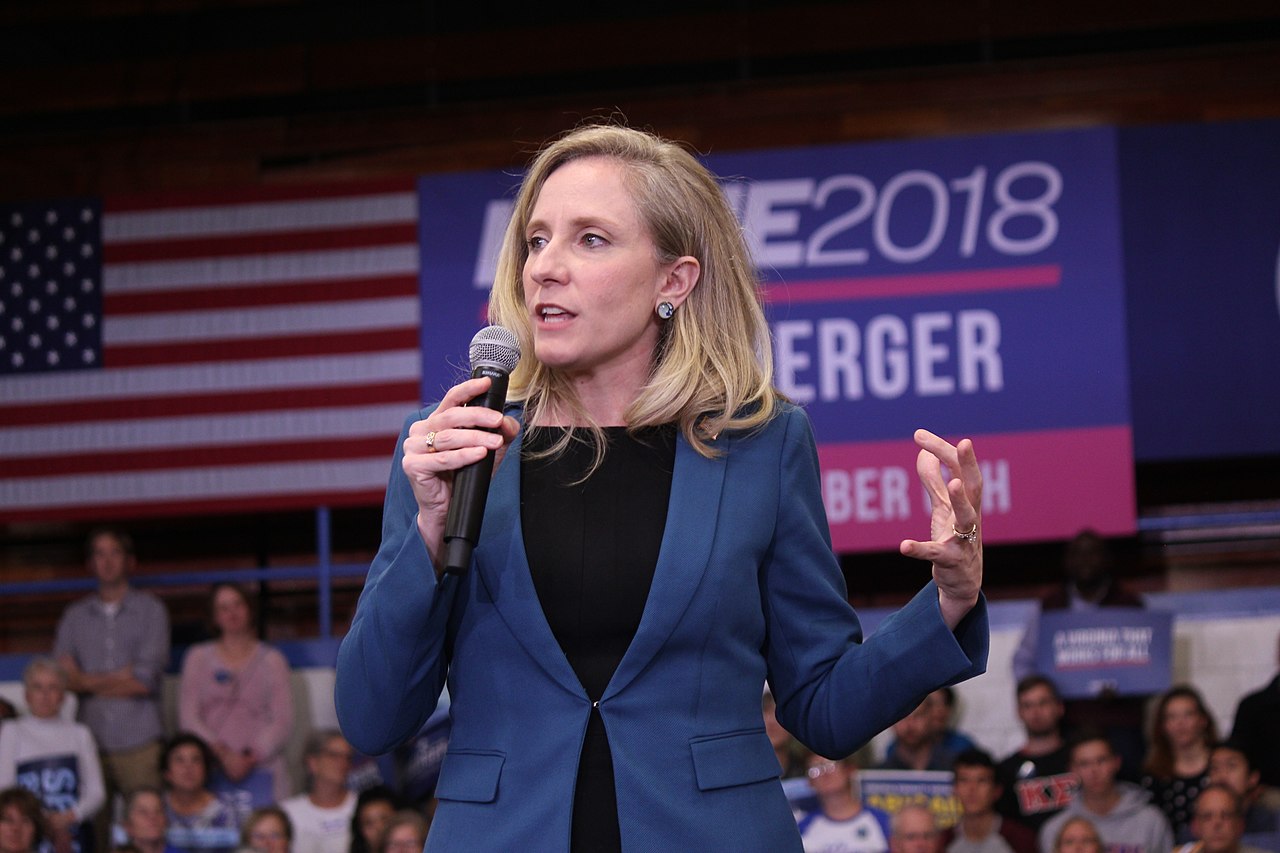
Virginia gun owners face sweeping new restrictions after Gov. Abigail Spanberger signed an assault weapon ban Thursday, despite explicit warnings from the U.S. Department of Justice that the law violates constitutional precedent.
Gun rights groups launched immediate legal challenges as soon as the legislation became law. The NRA, Firearms Policy Coalition and Second Amendment Foundation filed a federal lawsuit in the U.S. District Court for the Eastern District of Virginia. A separate state case landed in Washington Circuit Court with the Virginia Shooting Sports Association and individual gun owners as plaintiffs.
"As promised, we are taking Abigail Spanberger to court," NRA-ILA Executive Director John Commerford said on May 14.
The federal lawsuit asks courts to overturn 4th Circuit precedent that previously upheld similar bans. The legal strategy challenges cases that protected state restrictions for more than a decade, signaling a broader constitutional fight over gun rights.
U.S. Assistant Attorney General Harmeet Dhillon warned Virginia Attorney General Jay Jones in an April 10 letter that the ban violates Supreme Court precedent protecting firearms in common use. She stated the legislation would require Virginia law enforcement to engage in unconstitutionally restricting the making, buying, or selling of AR-15s and other semi-automatic rifles.
Dhillon cited the Supreme Court's unanimous 2025 opinion finding that AR-15s are "both widely legal and bought by many ordinary consumers." The data supports that conclusion: over 32 million AR-15 or similar rifles have been produced for the U.S. market since 1990, and 24.6 million Americans own such firearms according to the 2021 National Firearms Survey.
The measure passed only on Democratic votes in Virginia's Senate, 21 to 19, and House, 59 to 35. Spanberger initially proposed amendments to further broaden the ban, but the legislature rejected her changes on April 22. She then signed the stricter version anyway.
House Minority Leader Terry Kilgore argued the legislation creates a ban on any firearm that can accept a magazine holding more than 15 rounds. That covers the vast majority of firearms Virginia residents own for legal purposes.
The law bans importing, selling and manufacturing "assault firearms" and magazines holding more than 15 rounds. Violations carry up to one year in jail, a $2,500 fine and a three-year firearms prohibition for convicted violators. The ban takes effect July 1.
Commerford called the lawsuit the expected response to politicians ignoring constitutional limits. "Instead of listening to these factual concerns from their constituents, progressive politicians sided with Michael Bloomberg and his gun-grabbing groups," he stated. Conservative groups spent months preparing legal challenges for this moment.
Gun Owners of America announced on April 23 that its "lawsuit is ready to file when the dust has settled." Virginia Citizens Defense League President Philip Van Cleave told WVIR in March that his organization had been "game-planning this since December." He predicted the ban would not survive Supreme Court review.
The federal complaint acknowledges 4th Circuit precedent from Bianchi v. Brown and Kolbe v. Hogan upholding similar bans but argues those cases were wrongly decided. Plaintiffs seek to have those decisions overruled, applying Supreme Court analysis from New York State Rifle & Pistol Ass'n v. Bruen.
March gun sales in Virginia surged 56 percent as citizens and dealers rushed to comply before the July 1 effective date. FBI NICS data reported by The Farmville Herald showed 79,846 firearm background checks initiated in Virginia in March 2026. The sales figures come from NRA-ILA estimates attributed to The Trace but could not be independently verified from The Trace's published content.
Senate chief patron Sadam Salim celebrated the legislation, calling it "the collective work of countless advocates, elected leaders, and groups who have fought tirelessly for gun violence prevention long before my time in the General Assembly." House chief patron Dan Helmer declared the law "a major step toward safer communities across Virginia."
Spanberger defended her actions by stating gun violence is the leading cause of death for children and teenagers in America. She noted her background as a former federal agent who carried a firearm daily and said she supports the Second Amendment.
Virginia becomes the 11th state to enact an assault weapons ban. The legislation includes grandfathering provisions allowing existing firearms purchased before July 1 to be kept. No grandfathering applies to high-capacity magazines.
The Reason Foundation concluded in March that the ban seems vulnerable to a constitutional challenge because the prohibited firearms are indisputably in common use for lawful purposes. Justice Brett Kavanaugh wrote in 2025 that AR-15 owners have a strong argument their firearms are protected under Supreme Court precedent.
Dhillon posted on X after the signing: "See you in court!" with a screenshot of the bill. Her earlier post stated, "@SpanbergerForVA is on notice: 2A rights SHALL NOT BE infringed. We are closely watching—in the event any unlawful legislation is enacted, we will sue."
The legal battle now moves to federal and state courts, where constitutional questions about firearms in common use will receive their most significant test since the Supreme Court's landmark rulings on Second Amendment protections. For the millions of Americans who own AR-15s and similar rifles, those courtroom arguments carry the weight of everyday life.