Paper Oil Prices Mask Physical Shortage as Diesel Hits $5
Diesel surged to $5.04 a gallon as Middle Eastern crude shortages shatter global pricing norms, exposing a dangerous split between what traders see on screens and what drivers pay at the pump.
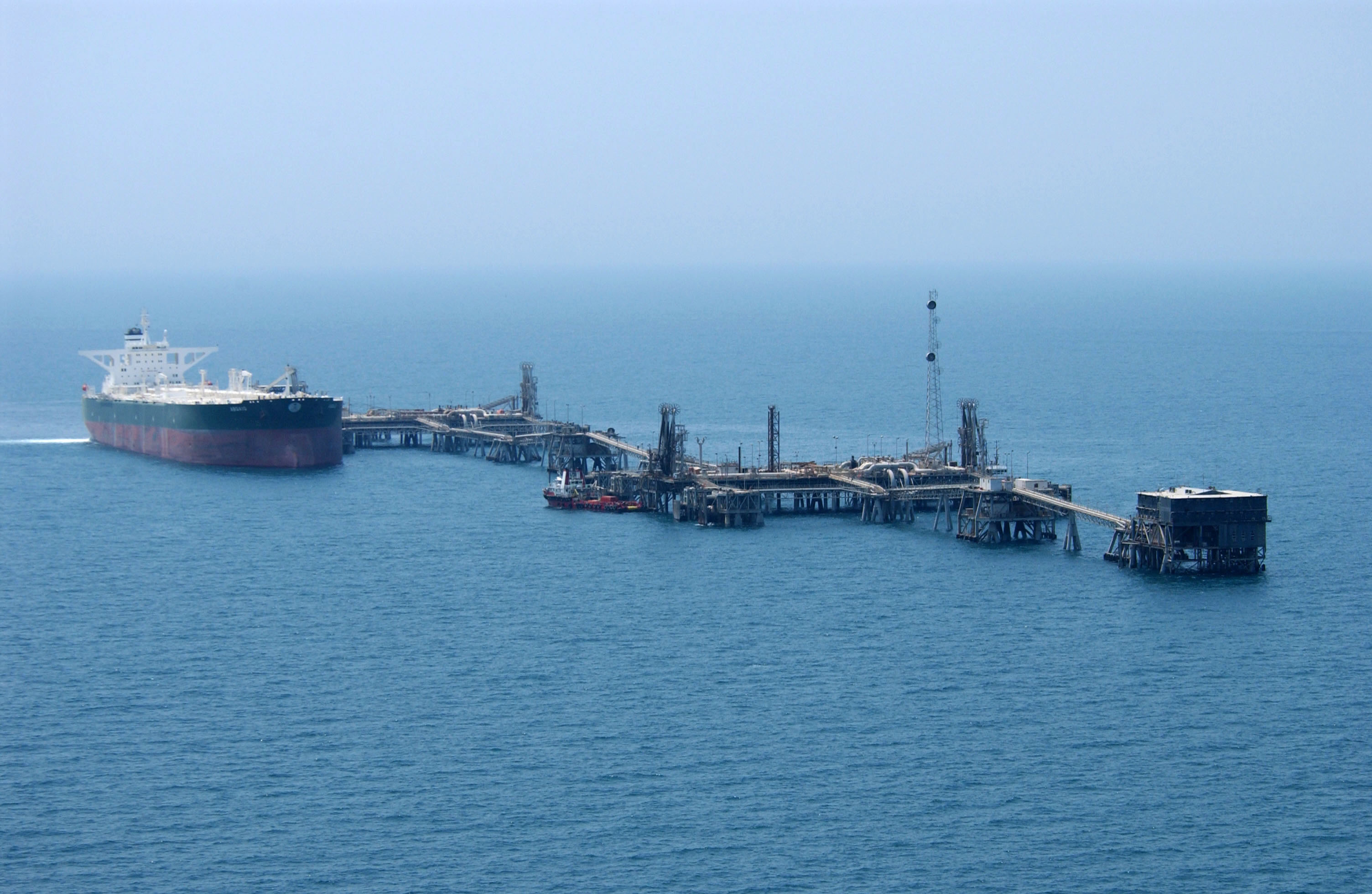
American drivers are paying a price that no trading screen reflects. Diesel hit $5.04 per gallon last week — the highest since December 2022 — even as benchmark crude hovered near $100 a barrel. That chasm reveals how thoroughly disconnected global pricing has become from the physical reality strangling Middle Eastern exports.
The average price for regular gasoline climbed to $3.79 per gallon, a 27 percent increase from pre-war levels, according to AAA. Diesel has surged 34 percent since the U.S.-Israel military campaign against Iran began Feb. 28, pushing fuel costs to their highest point in more than three years.
"Diesel prices have hit the highest level since December 2022, the year Russia's full-scale invasion of Ukraine disrupted global energy markets," AAA said.
The numbers tell two completely different stories depending on where you look. Brent crude, the global benchmark, traded around $100 to $105 per barrel as of March 17, while WTI, the U.S. benchmark, hovered near $95. Dubai and Oman cash prices — which reflect actual Middle Eastern crude cargoes — surged to approximately $155 per barrel.
That gap exposes a structural flaw in the global pricing system. Brent and WTI are Atlantic Basin benchmarks, insulated from the shock choking off Middle Eastern exports and cushioned by comparatively higher inventory levels across the Americas.
"The key issue is that both Brent and WTI are Atlantic Basin benchmarks, while the current shock is concentrated in the Middle East," J.P. Morgan analysts wrote in a March 18 note. "As such, these benchmarks are disproportionally influenced by regional fundamentals that remain comparatively loose."
This insulation is not accidental — it is the direct result of a fundamental shift in American energy. The United States has become the world's largest oil producer, pumping more crude than any nation in history for six consecutive years, driven by the shale revolution that unlocked vast tight-oil formations across Texas, North Dakota, and the Permian Basin. The U.S. became a net exporter of crude oil and petroleum products in 2019 for the first time in over six decades, and Persian Gulf crude imports had already fallen to their lowest level in nearly 40 years before the current conflict began.
That structural shift is precisely why Asia and America are now living in different oil markets: Japan, South Korea, India, and China remain heavily dependent on Gulf flows, while America increasingly supplies itself. The divergence between Dubai spot prices and WTI is not merely a benchmark technicality — it maps almost perfectly onto which economies depend on the Strait of Hormuz and which do not. For a fuller picture of how America reached this position, see our recent article: America: From Energy Importer to World's Top Producer.
Physical buyers in Asia face a harsher reality. The Strait of Hormuz, through which approximately 20 million barrels per day flowed before the war, has seen throughput collapse to what the International Energy Agency describes as a trickle.
At least 10 million barrels per day of Gulf production has been cut, and more than 3 million barrels per day of Gulf refining capacity has shut down. Kuwait alone — which covered roughly a quarter of European jet fuel imports before the closure — now has its entire export infrastructure isolated inside the Gulf.
"Middle Eastern benchmarks such as Dubai and Oman provide a more accurate reflection of the physical dislocation," J.P. Morgan analysts wrote. "These benchmarks are directly exposed to export disruptions and therefore capture marginal scarcity more effectively than Atlantic-linked crudes."
Refined products have absorbed the worst of the blow. In Europe, the traditional pricing relationship between jet fuel and diesel has inverted entirely. The jet-diesel spread — which normally trades with diesel at a premium of $5 to $2 per barrel — flipped hard. Jet fuel now commands a $48 per barrel premium over diesel.
"The closure of the Strait of Hormuz has shattered the traditional diesel–jet pricing relationship in Europe, pushing the jet‑diesel regrade from a normal –$5 to +$2/bbl range to an unprecedented +$48/bbl," Natalia Katona wrote for Oilprice.com.
Physical crude prices are trading far above paper futures — the clearest signal yet of genuine shortage. Buyers are scrambling to secure physical cargoes, refiners across Asia weigh cutting processing rates, and Asian governments restrict fuel exports. The physical Dubai premium sits around $38 over paper futures.
The International Energy Agency on March 11 announced a coordinated emergency release of 400 million barrels from global strategic reserves. The U.S. portion alone will take approximately 120 days to complete, ING strategists said — relief that moves at the speed of bureaucracy while markets move by the hour.
Early signs of demand destruction are already surfacing across Asia as product prices surge and spot barrels become prohibitively expensive, J.P. Morgan analysts noted.
"The apparent stability in Brent and WTI should not be taken as evidence of ample global supply," the analysts wrote. "It reflects a temporary buffer created by regional inventory overhangs, benchmark composition, and policy interventions. If the Strait does not reopen, this divergence is unlikely to persist."
Patrick De Haan, head of petroleum analysis at GasBuddy, warns that upward pressure on fuel prices will persist until oil flows resume through the Strait of Hormuz. For the truck driver watching the pump tick past $5 a gallon, no benchmark average offers much comfort.