Angel Studios Sells Leftist Animal Farm to Conservative Audiences
Angel Studios betrayed conservative audiences by distributing an anti-capitalist Animal Farm adaptation through right-leaning networks, triggering a box office disaster and furious backlash from the very fans who funded it.
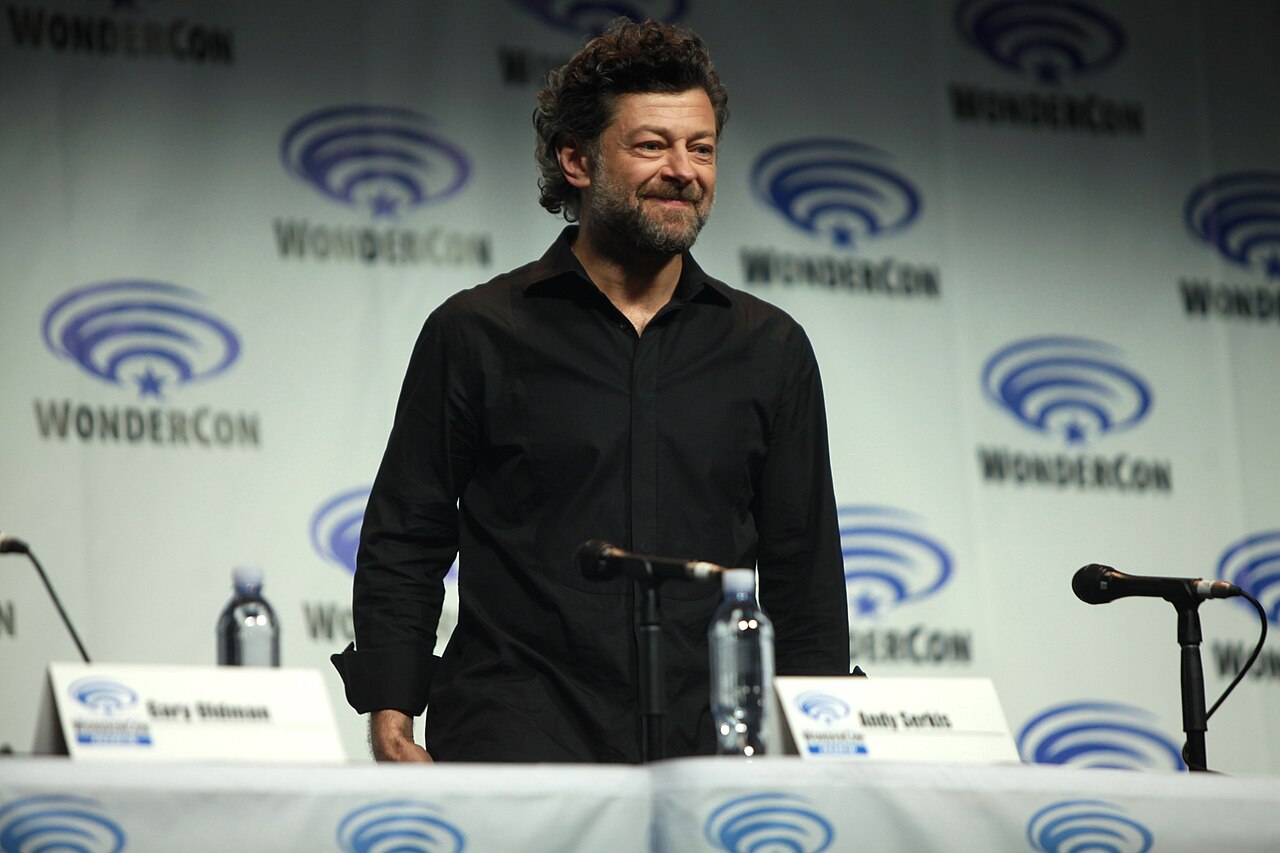
Conservative audiences who trusted Angel Studios to deliver films that defend freedom found themselves the target of a calculated bait-and-switch. On May 1, 2026, the studio released Andy Serkis's "Animal Farm" across U.S. theaters, delivering a production that inverts George Orwell's anti-communist fable to blame capitalism for the failures of collectivist revolution.
Serkis, a former member of the Trotskyist Socialist Workers Party, declared in 2013 that he would not focus on Stalinism. "We are not making a film about Communism and Stalinism because if Orwell was writing the story today, he would be talking about other relevant topics like globalisation and corporate greed," Serkis told The Irish Independent. The $30 million to $35 million production replaces Orwell's villainous communist pigs with Frieda Pilkington, a ruthless capitalist billionaire voiced by Glenn Close. TheWrap described Pilkington as "basically Elon Musk if Elon Musk had any actual charisma."
Netflix dropped the film after years of development. Angel Studios picked up the U.S. distribution rights at significant cost in December 2025. The filmmakers state they worked closely with the Orwell estate, a detail that suggests the estate approved this inversion of Orwell's own anti-communist message.
The ideological perversion exposes Hollywood's leftist capture as so absolute that it cannot adapt the most famous anti-communist novel without turning it into pro-collectivist propaganda. Angel Studios compounded the betrayal by selling the film to conservative audiences who trusted its brand.
The film's plot inversions transform Orwell's bleak warning about communist tyranny into a celebration of collectivist revolution. Where Orwell showed animals becoming indistinguishable from their human oppressors, Serkis gives the communist animals a successful second uprising. The ideological reversal culminates in a dedication to "those who are oppressed, for your time will certainly come" and "those who oppress, for your time will certainly be over."
Angel Studios, a self-billed Christian and conservative company behind "Sound of Freedom," executed a calculated bait-and-switch by distributing the film through conservative networks. The studio tapped right-leaning influencers to market the production to an audience that trusted them, despite knowing the director's background and the film's anti-capitalist themes. Riley Gaines tweeted praise for the film on April 28 using the #AnimalFarmPartner hashtag, sparking immediate backlash from conservative allies.
The distribution strategy unraveled as conservative influencers realized they were promoting leftist ideology. Tim Pool publicly refused Angel Studios' offer to promote the film after screening it. "The film is shockingly offensive as it is pro communism and anti-capitalism," Pool stated. "The film in its entirety is a critique of capitalism from beginning to end and even has pro-leftist terrorism elements."
Christian leaders mobilized against the studio's marketing approach. More than 70 clergy and Christian leaders petitioned Angel Studios to pull advertising from the Tucker Carlson network over concerns about promoting socialist messaging. The petition directly referenced the "Animal Farm" adaptation as a film that "explicitly challenges the fundamental ideas of Communism."
Angel Studios responded to criticism with defiance, releasing a promotional video that mocked critics. The video read fan criticisms aloud and compared detractors to "the pigs" from the novel, ending with "We can't let the pigs win." An Angel Studios spokesperson maintained that "this is an anti-communism film, and the Angel Guild will ensure that it stands by the principles of our members," while Brandon Purdie, Executive Vice President of Theatrical and Brand Development at Angel, said in a statement: "This is a project of tremendous heart... We're confident that moviegoers will see not just a story of farm animals, but a mirror held up to our world today."
Audiences across the political spectrum rejected the ideological inversion at the box office. The film opened to just $3.3 million from 2,600 theaters over the weekend, earning a catastrophic C- CinemaScore. That rating represents the lowest grade ever for an animated film and the worst for Angel Studios. Critics panned the production with a 24 percent score on Rotten Tomatoes.
Serkis attempted to defend the film's messaging in a May 2 CBS Saturday Morning interview. "It's only become more and more relevant with social media and fake news and also the rise of, you know, tyrants around the world, oppressive regimes," Serkis told host Vladimir Duthiers. "We are not aiming political arrows at any — you know, the right or the left — we're just saying authoritarianism."
When Duthiers asked specifically about "corporate greed and modern capitalism, a railing against that," Serkis acknowledged the critique. "It is part, definitely, because that's part of where power lies at the moment," he responded. "Therefore, that becomes part of authoritarianism." The director's admission confirmed what critics had alleged: the film deliberately shifted Orwell's target from communist tyranny to capitalist power.
The financial and critical disaster exposes how Angel Studios prioritized profit over principle, betraying its core audience to push anti-capitalist messaging through conservative networks. The studio's 2 million Angel Guild members, who voted to distribute the film, now face the consequences of that miscalculation.
Conservative audiences who trusted Angel Studios after "Sound of Freedom" feel particularly betrayed. The studio built its brand on opposition to mainstream Hollywood's leftist bias, only to distribute a film that inverts one of history's most powerful anti-communist warnings. The May 1 release date on International Workers' Day, a communist holiday, underscored the filmmakers' ideological intentions.
The "Animal Farm" debacle proves that even self-described conservative companies will betray their principles and their audience when profit incentives align with leftist messaging. The box office catastrophe serves as a warning: audiences recognize ideological manipulation and will reject it, regardless of who packages it.