Berlin's Energy Policies, Not Hormuz, Created Germany's Inflation Crisis
German politicians blame the Strait of Hormuz for looming inflation, but official data reveals Berlin's own energy policies built this crisis over two decades before a single ship was turned away.
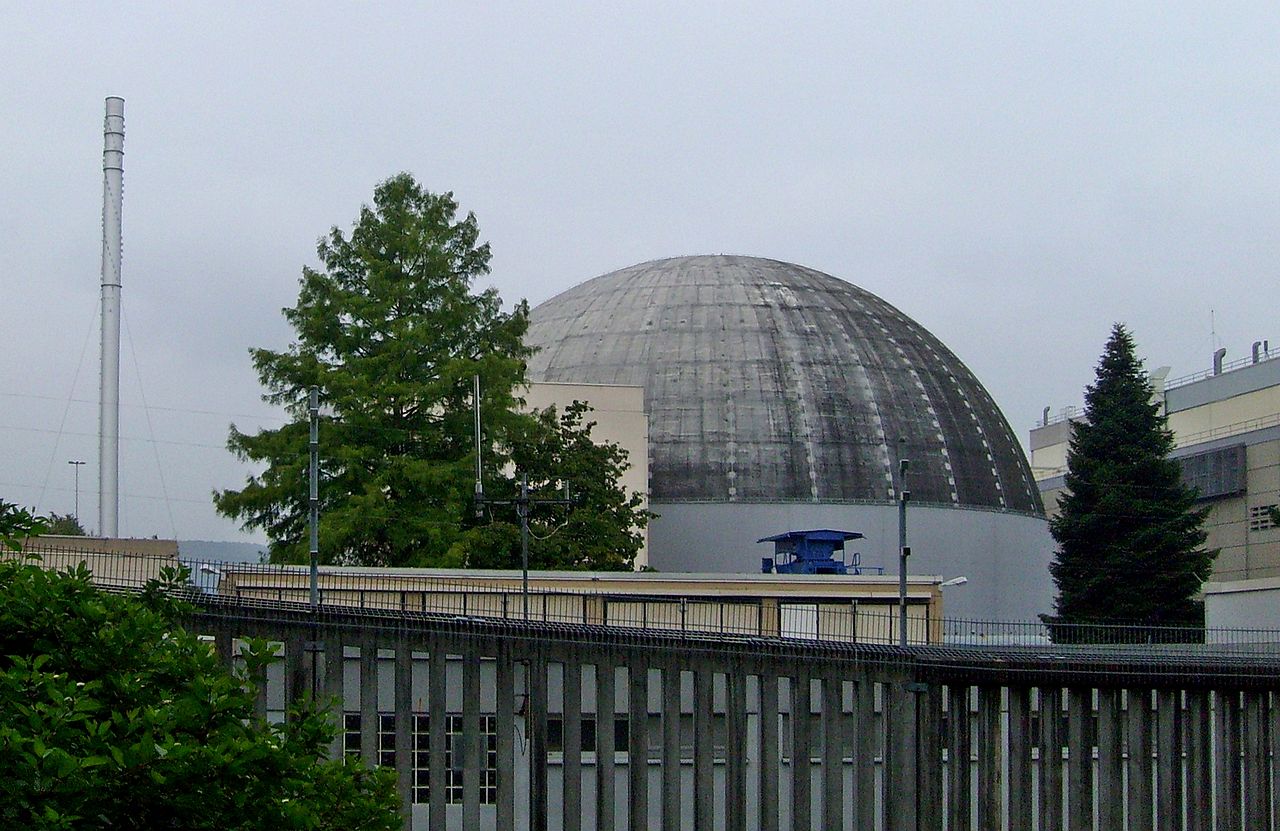
Germany's political class points to the Strait of Hormuz and warns of looming food price spikes. The truth cuts deeper for ordinary citizens: Berlin's own energy policies built this crisis over two decades, long before a single ship was turned away from the strait.
Economist Gerrit Heinemann warned last week in Bild that Germany's food price index could surge 10 percent this year. "A new inflation wave of over 10 percent threatens – like in the Corona crisis," he stated, citing fertilizer supply chain disruptions from the Hormuz blockade. Roughly one-third of global fertilizer production transits the strategic waterway, which has been effectively closed since Feb. 28.
Official data demolishes this convenient narrative. Germany's inflation rate reached 2.7 percent year-on-year in March, before the Hormuz blockade could fully impact German markets. It climbed to 2.9 percent in April, the highest reading since January 2024. The crisis is accelerating, not waiting to begin.
Food prices rose just 0.9 percent in March. Core inflation stood at 2.5 percent. These figures capture a pre-existing crisis that German politicians are now blaming on Tehran and Washington.
The root cause traces to Berlin's energy policy failures. Germany completed its nuclear phase-out in April 2023, eliminating 20 gigawatts of CO2-free power production. Energy Minister Katharina Reiche admitted the error at CERAweek on March 25. "The phaseout of nuclear was a huge mistake, a huge mistake and we miss this energy, which had provided 20 GW of CO2-free power production at affordable prices," she said.
Chancellor Friedrich Merz agreed with her assessment, also calling the nuclear exit a mistake. EU Commission President Ursula von der Leyen went further in March, labeling the reduction of nuclear energy "a strategic mistake for Europe." The admission spans the political spectrum. This was not a partisan failure but a collective one.
The recklessness extends beyond nuclear. Germany banned domestic fracking in 2017, locking the country into foreign energy dependence. Domestic fossil fuel production now meets only 5 percent of natural gas demand and 2 percent of oil demand. European gas prices have surged 98 percent since the Hormuz closure, while European gas inventories sit at just 29 percent of capacity. The country is structurally exposed.
The damage shows up in every factory and every filing. Energy-intensive manufacturers face energy and labour costs roughly 30 percent higher than the EU average, according to PwC's Global Insolvency Report. Germany lost approximately 124,000 industrial jobs in 2025, according to an EY analysis cited by dpa. Corporate insolvencies reached 24,064 that year, the highest level since 2014. The German Chambers of Industry and Commerce declared the energy transition "at a deadlock" in April.
The government's response confirms the scale of the damage it inflicted. In January 2026, Berlin introduced a €1.5 billion annual subsidy to prop up electricity prices for energy-intensive industry. The state is now bailing out the industrial base its own policies crippled.
Berlin erected a regulatory cage that suffocated competition. The CO2 emissions trading system and other carbon pricing mechanisms captured 81.1 percent of Germany's greenhouse gas emissions under a positive Net Effective Carbon Rate, according to OECD 2025 data. Manufacturing became uncompetitive while capital fled to jurisdictions with rational energy policies.
Energy prices are already punishing consumers. Motor fuel prices rose 20.0 percent year-on-year in March. Heating oil jumped 44.4 percent over the same period. The Hormuz blockade is not creating Germany's energy crisis, it is accelerating one that was already running.
Analyst Thomas Kolbe argues the only viable solutions — fracking, North Sea drilling, and restarting nuclear — remain explicitly ruled out on ideological grounds. "The inflation problem is self-inflicted," Kolbe wrote May 5. "Only a completely distorted and ideologically colored media narrative surrounding the Iran crisis and the consequences of centralized energy policy has so far prevented the public from correctly perceiving the economic disaster."
As Kolbe notes, food prices rose more than 40 percent between 2019 and 2025, long before the Hormuz blockade or Donald Trump's second term. The International Monetary Fund revised Germany's 2026 growth forecast downward to 0.8 percent in April. Berlin slashed its own projection further, to 0.5 percent.
The Hormuz crisis merely exposed the powder keg that German politicians built over two decades. The bill for green dogma has arrived, and German taxpayers will pay for their government's ideological choices.