Blue Cities' Tax and Regulatory Overreach Drives Corporate Exodus
From New York to Seattle to Hollywood, progressive mayors are doubling down on punitive taxes and ideological mandates even as their cities hemorrhage capital, jobs, and residents.
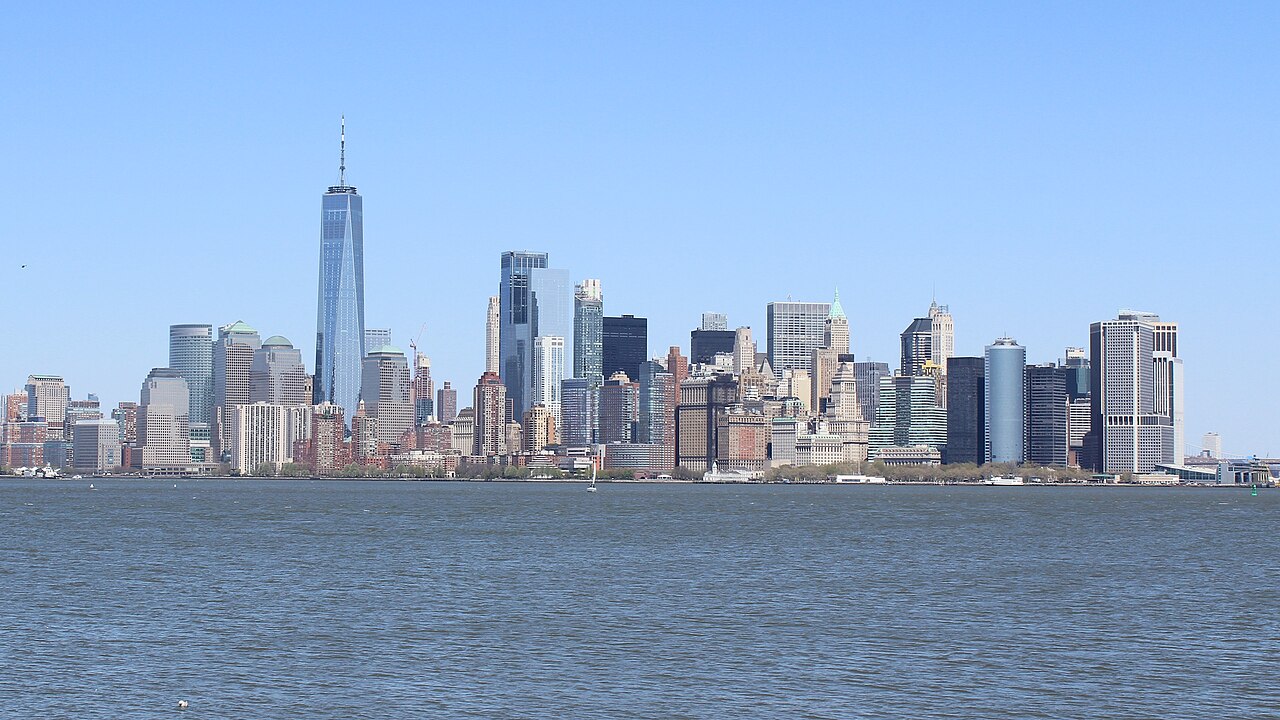
Tax the rich, and they leave. From New York's financial districts to Seattle's tech corridors to Hollywood's soundstages, the pattern repeats with brutal clarity: progressive mayors double down on punitive taxation and ideological mandates even as their cities hemorrhage capital, jobs, and residents. Three of America's largest Democratic strongholds remain trapped in a self-reinforcing cycle of high taxes, heavy regulation, and cultural mandates. Socialist leadership responds to the corporate exodus not with fiscal reform but by accelerating the very policies that drive capital flight.
New York City Mayor Zohran Mamdani faces a $7 billion budget shortfall after initially projecting $12 billion in deficits. His solution: a 2 percent income tax hike on earners over $1 million. "The top 1 percent of New York City can afford to contribute $20,000 more in taxes," Mamdani told state lawmakers in February. "That 2 percent tax alone would resolve nearly half of our budget deficit." The city lost 114,000 net residents to domestic migration in 2025, according to a Citizens' Budget Commission study. Between July and December alone, New York shed 8,400 employers, per the NYC Economic Development Corporation.
The top 1.2 percent of New York households already pay 38.3 percent of all city income taxes. As Mamdani pushes for higher rates, major financial institutions establish primary operations elsewhere. JPMorgan Chase CEO Jamie Dimon warns that New York's highest-in-the-nation taxes scare off talent. "Individuals vote with their feet," Dimon wrote in his 2025 shareholder letter. JPMorgan's New York headcount shrank 20 percent over the past decade while its Texas workforce grew from 26,000 to 32,000.
Apollo Global Management now seeks a second U.S. headquarters in Texas or Florida. Citadel relocated its operations from Chicago to Miami in 2022 and is currently constructing a $2.5 billion global headquarters in Brickell. Construction began in 2026 with completion expected in the early 2030s. These moves follow a clear pattern: financial firms establish operations in states with no income tax while maintaining only a nominal presence in New York.
Seattle's democratic socialist mayor Katie Wilson faces similar dynamics. Downtown Seattle lost 13,000 jobs in 2025, the largest annual decline since the pandemic, according to the Downtown Seattle Association. Amazon alone slashed 30,000 corporate jobs across two rounds of layoffs — 14,000 in October 2025 and 16,000 in January 2026. Starbucks announced a $100 million Nashville expansion in April creating 2,000 jobs, a move the Washington Policy Center estimates could cost the state up to $750 million in tax revenue. The Association of Washington Business found 44 percent of state executives are considering relocating their personal residence out of state.
Wilson dismisses concerns about millionaire flight. "The claims that millionaires are going to leave our state are, like, super overblown," she told a Seattle University crowd in April. "And if — the ones that leave, like, bye." The mayor directed city departments to prepare 5 to 10 percent budget cuts for 2027 while exploring progressive revenue options including a local capital gains tax and land value taxes. Washington State already passed a 9.9 percent income tax on households earning over $1 million in 2026, effective in 2028.
Hollywood's collapse follows a different but related pattern. Film and television employment dropped 30 percent since 2022, falling from 455,000 to 344,000 jobs according to U.S. Bureau of Labor Statistics data. On-location production days in Los Angeles County plunged 46 percent from 36,792 in 2022 to 19,694 in 2025. Major studios conducted mass layoffs as box office returns cratered. Disney cut nearly 1,000 employees in April. Paramount eliminated roughly 2,000 workers across 2024 and 2025. Sony Pictures laid off several hundred from a global workforce of approximately 12,000.
Industry analysis from That Park Place documented how ideological messaging drove audiences away from major releases in 2025. Films including "Snow White" — which lost an estimated $170 million — "Captain America: Brave New World," and "Fantastic Four: First Steps" all underperformed relative to expectations. Disney ended its "Reimagine Tomorrow" DEI initiative in February 2025, while Warner Bros. dropped its "Diversity Digest" updates. The UCLA 2026 Hollywood Diversity Report confirms studios retreated from diversity hiring after a decade of prioritizing ideological mandates over creative merit. Women directed only 10.1 percent of top films in 2025, down from 15.4 percent in 2024.
"It's a near-cratering of our once-thriving industry," actor and executive producer Noah Wyle testified at a congressional hearing in March. Behind-the-camera workers logged 36 percent fewer hours since 2022, according to Wall Street Journal reporting. The jobs that vanish do not simply relocate to other American cities. Foreign governments lured productions away with aggressive tax incentives, leaving thousands of families and small-business owners across Los Angeles to absorb the economic shock.
The mechanism of collapse operates in real time across all three cities. High taxes and heavy regulation shrink the economic base. Budget shortfalls emerge. Socialist mayors raise taxes again to fund the same failing programs. The productive leave, the deficit widens, and the cycle accelerates. Washington state's Tax Foundation ranking dropped from 6th best state for business in 2014 to 45th in 2026.
New York's economic development data shows 8,400 employer losses in one quarter contrasted with only 3,500 new business formations. The city's effective state business tax rate of 5.9 percent in 2023 ranks ninth highest nationally. Meanwhile, Florida and Tennessee — destinations for fleeing companies — rank among the fastest-growing state economies.
Reports indicate Starbucks employees are resisting relocation from Seattle to Nashville, with Bloomberg noting the company's $100 million investment faces pushback from workers unwilling to move to the conservative state. This ideological commitment mirrors municipal leadership that would rather tax a shrinking base than reform policies driving the exodus.
The common thread across New York, Seattle, and Hollywood is governance that punishes economic success while demanding more revenue from those it repels. As Jamie Dimon's warning echoes through emptying financial districts and shuttered studios, the lesson is clear: socialist urban policy does not merely fail to generate prosperity — it actively destroys the economic foundations that once made these cities great.