Reform UK's Poll Surge Forces Labour's Immigration U-Turn
Labour implements tough new immigration rules as Reform UK's 34 percent poll surge forces electoral triage. Internal party rebellion intensifies as voters demand action on asylum system.
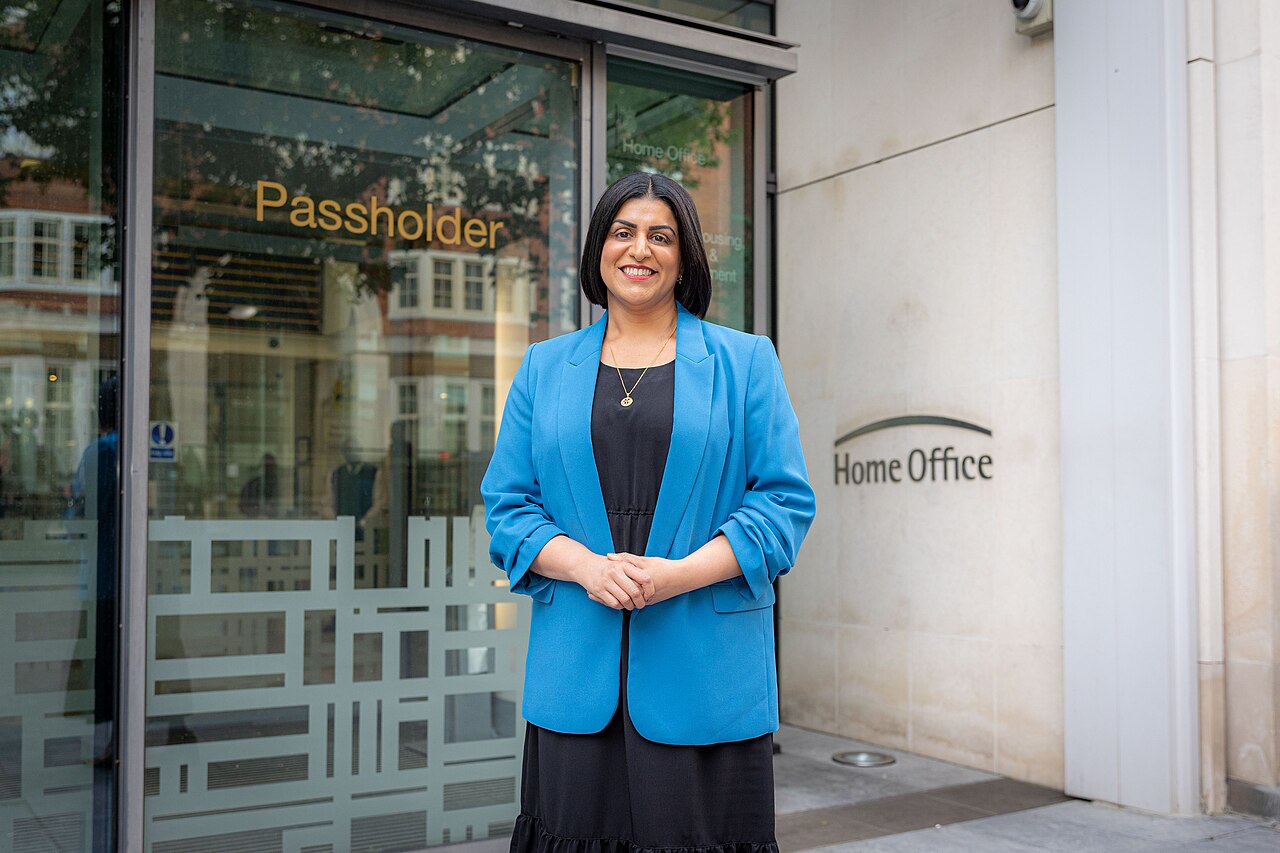
As midnight struck, Britain's new immigration rules took effect — not because the nation was ready, but because Labour had no electoral alternative left.
Home Secretary Shabana Mahmood's measures ban foreign criminals from entering the UK, suspend visas for four countries, and slash refugee status from five years to 30 months. The reforms arrive only after Reform UK surged to 34 percent support in national polling, leaving Labour trailing in third place with 21 percent support.
"Coming to the UK from overseas is a privilege, not a right," Mahmood stated on March 5. "Any foreign national with a history of crime and violence is not welcome. If you pose a risk to our country, you will be refused entry or removed."
Section 45 of the Sentencing Act 2026 provides the legal foundation. Parliament passed the law in January but delayed enforcement until today. Suspended sentences of 12 months or more now count as imprisonment for automatic deportation. Afghanistan, Cameroon, Myanmar and Sudan face student visa suspensions, while Afghanistan alone loses skilled worker access.
Labour's internal rebellion reveals a party at war with its own policies. Deputy leader Angela Rayner condemned the settlement reforms as "un-British" and a "breach of trust" in a March 23 statement. "Moving the goalposts undermines our sense of fair play," she argued.
Tony Vaughan, Labour MP for Folkestone, organized a letter signed by 100 colleagues opposing the measures. "You don't win back public confidence in the asylum system by threatening to forcibly remove refugees who have lived here lawfully for 15 or 20 years," Vaughan stated.
The scale of the challenge explains why voters demanded action. Britain houses 10,722 foreign national offenders in its prisons at an annual cost of £643 million for prosecution and detention. Failed asylum appeals reached 104,400 by the end of 2025.
Nearly 60,000 people have been removed since July 2024 under Labour's accelerated returns program. A March 19 agreement with Nigeria now allows deportation using UK Letters instead of passports, potentially affecting 961 failed asylum seekers and 1,110 foreign criminals.
France negotiations continue under a "payment by results" model as 4,169 small boat arrivals reached British shores this year. The existing £475 million patrol deal expires next week.
Nigel Farage's Reform UK frames the political reality without apology. "We're coming for the Labour vote," the party leader declared on March 24. His party's poll surge to 34 percent has put pressure on Labour, which fell to third place in January 2026 behind both Reform and Conservatives.
The numbers expose Labour's reactive posture. Some 39 percent of 100,000 asylum claims in 2025 came from people arriving on legal visas, explaining the four-country visa brake. Refugee status reduction aligns with Denmark's "core protection" model, treating sanctuary as temporary until safe return.
Stella Creasy, Labour MP for Walthamstow, warned of "the inevitable Windrush-style scandal coming" from the retrospective changes. She tabled an Early Day Motion to annul the refugee status reduction.
Mahmood faces legal challenges from the Skill Migrants Alliance, which represents 1.6 million migrants on track to settle by 2030. The group argues retrospective changes to indefinite leave rules would create significant financial and personal uncertainty for affected individuals.
The Home Secretary's November 2025 pledge to reform Article 8 human rights applications remains unfulfilled by legislation. European countries continue negotiating a new approach to interpreting the European Convention on Human Rights to facilitate deportations.
Britain spends £4 billion annually on asylum accommodation for 107,003 people, including 30,657 in about 200 hotels. A voluntary returns pilot offers up to £40,000 per family to leave.
Labour's reforms represent electoral triage, not principled governance. They arrive when survival demands action, not when justice requires reform. The party sacrificed policy integrity for political preservation as Reform UK reshapes British politics through voter demand, not parliamentary protest.