DHS Payroll Crisis Hits Breaking Point as May Deadline Looms
DHS Secretary warns emergency funds will vanish in early May, leaving 260,000 workers unpaid after 75-day shutdown triggered by Democratic demands for immigration enforcement reforms.
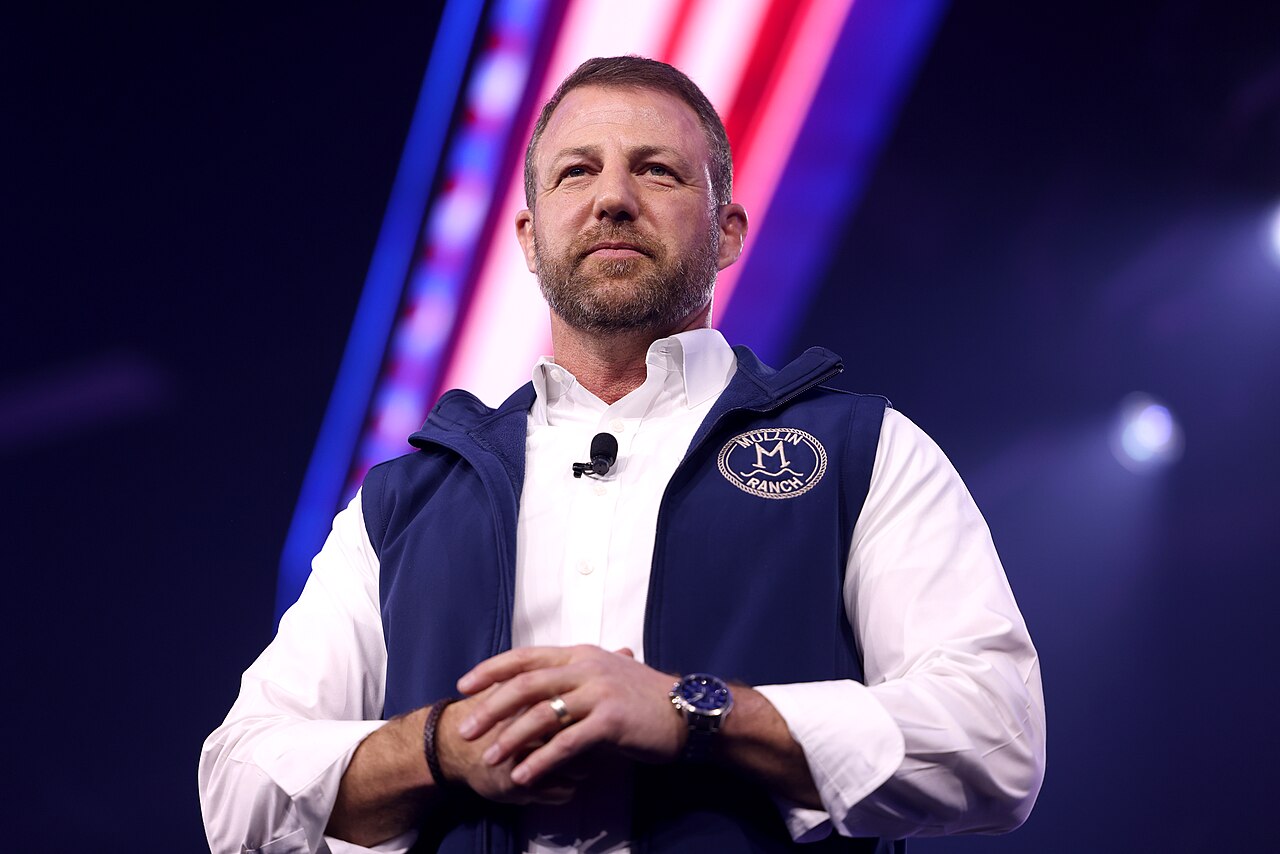
Homeland Security Secretary Markwayne Mullin warned Tuesday that the Department of Homeland Security will run out of money to pay its employees in the first week of May. That deadline ends the last remaining lifeline for 260,000 federal workers in the longest departmental shutdown in U.S. history.
The funding drought stretches back to Feb. 14, when Senate Democrats began blocking DHS funding bills. They have voted against the measure seven times, each time demanding immigration enforcement reforms including body cameras, mask bans, judicial warrants for home entries, and use-of-force standards.
"That money is dried up, if I continue down this path, the first week of May, because my payroll at DHS is just over $1.6 billion every two weeks," Mullin said on Fox & Friends.
The department's emergency funds from the One Big Beautiful Bill Act have dwindled to approximately $1.4 billion. That falls short of the $1.6 billion needed for one more biweekly payroll period. Once those funds are gone, President Trump cannot issue another executive order to cover payments.
Democrats triggered the shutdown after federal officers killed two civilians in Minneapolis in January. Senate Minority Leader Chuck Schumer led his party in refusing all DHS funding without immigration enforcement reforms, including bans on masked agents, judicial warrants for home entries, body cameras, and use-of-force standards.
The resulting 75-day shutdown has left DHS as the only unfunded federal department in fiscal 2026. The human cost mounts daily across the department's agencies.
More than 838 Transportation Security Administration officers have quit since Feb. 14. The national TSA callout rate peaked at 12.35 percent on March 27. Some airports reported 40 to 50 percent absence rates, forcing ICE agents to deploy to security checkpoints.
"Officers have gone into debt. Credit has been shot. Officers have been evicted. Cars have been repossessed," said AFGE Local 554 President Aaron Barker.
TSA Acting Administrator Ha McNeil testified that shutdowns in fiscal 2026 have resulted in nearly $1 billion in delayed paychecks for the agency's 61,000 employees. Ninety-five percent of them must work without pay.
The Coast Guard faces its own crisis. Commandant Adm. Kevin Lunday reported over 5,000 unpaid utility bills, with more than 100 providers threatening to cut off electricity and water to stations and airfields. The service also faces an 18,000-credential backlog for Merchant Mariners.
Customs and Border Protection has parked aircraft, patrol boats, and vehicles. Border surveillance equipment sits offline.
"As of right now, the Department of Homeland Security is disintegrating because the secretary and I are having to figure out ways to temporarily fund people's paychecks so we don't have people quit and embark on new careers," White House Budget Director Russell Vought told the Senate Budget Committee on April 16.
Congressional efforts to end the shutdown have stalled. The Senate passed a bipartisan DHS funding bill by voice vote on March 27 and again on April 2, covering TSA, Coast Guard, FEMA, CISA, and customs officers but excluding ICE and Border Patrol.
Senate Republicans also passed a budget resolution on April 23 authorizing up to $70 billion for those agencies through reconciliation on a 50-48 vote. Republicans Rand Paul and Lisa Murkowski joined all Democrats in opposition.
House Speaker Mike Johnson refuses to put the Senate bill on the floor. He called its language "problematic" and said it would "orphan" ICE and Border Patrol.
"We have a modified version that I think is going to be much better for both chambers," Johnson said on April 27. "It doesn't change most of the substance but it makes sure that we're not going to orphan two of the primary agencies of DHS."
Senate Majority Leader John Thune countered that any changes must be strictly "technical." He warned that "anything they do beyond that...it really becomes a real problem."
Senate Democratic Whip Dick Durbin noted, "The standoff is now between the two Republican leaders in the House and Senate."
The Trump administration has attempted to bridge the funding gap through executive action. President Trump signed an executive order on April 3 directing DHS to use funds with a reasonable nexus to department functions to pay all employees, invoking 31 U.S.C. 1301(a). DHS Secretary Mullin recalled furloughed staff to work on April 10.
Acting Attorney General Todd Blanche called the April 26 shooting at the White House Correspondents' Dinner a "wake-up call" for Congress to fund DHS.
Emergency funds will vanish in early May. Without congressional action, DHS cannot pay the employees screening airline passengers, patrolling borders, protecting presidents, or responding to disasters. The two-track plan — bipartisan funding for most DHS components, GOP-only reconciliation for ICE and Border Patrol — remains the only path to resolution. House inaction has created a race against time that federal workers cannot win.