Judges Block Sweeping Virginia Gun Ban as Courts Reject Confiscatory Agenda
Two Virginia judges blocked the state's assault weapons ban days before it took effect, delivering a judicial rebuke to Democratic lawmakers' confiscatory agenda and validating constitutional protections against legislative overreach.
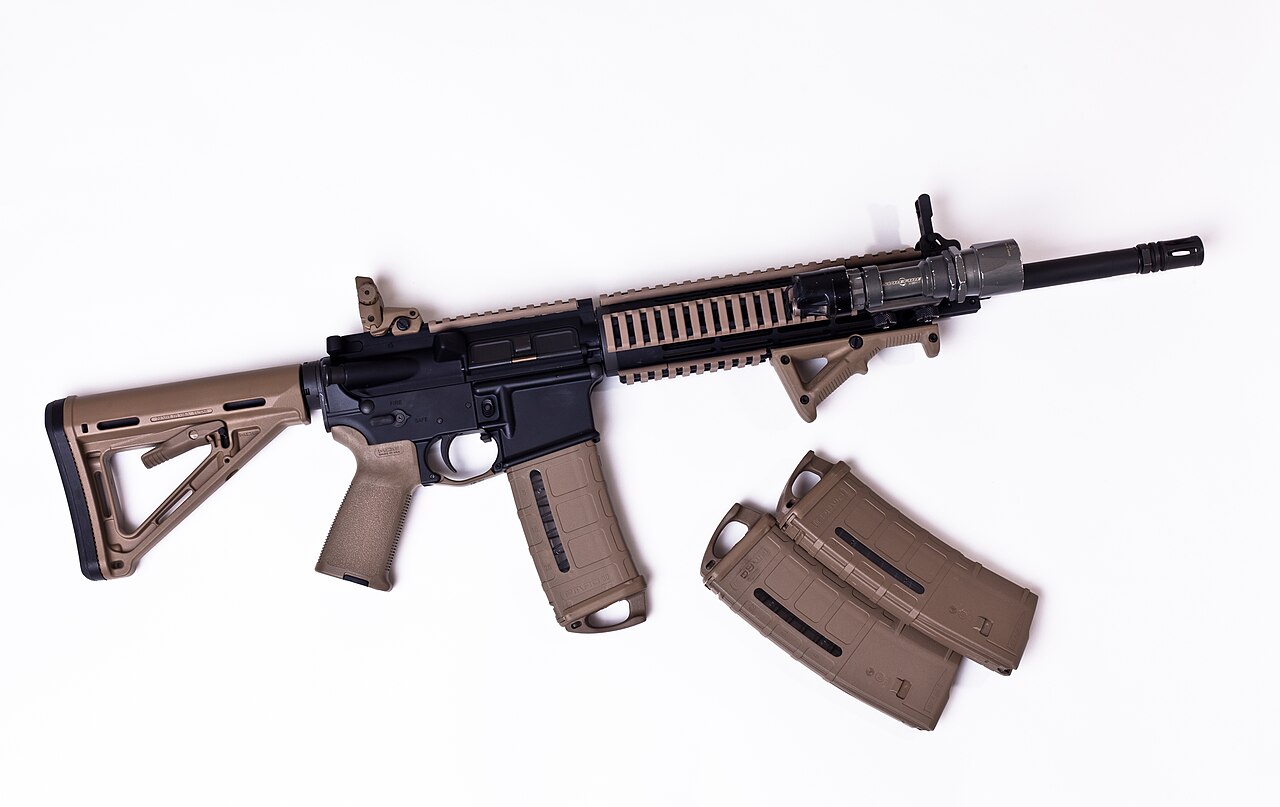
Two Virginia judges blocked the state's sweeping assault weapons ban just days before it was set to take effect, shielding law-abiding gun owners from a confiscatory policy that had already been signed into law. The rulings validate constitutional protections against legislative overreach and deliver a swift judicial rebuke to Democratic lawmakers' push to disarm citizens. The decisions represent a growing national pattern where courts are striking down blue-state gun restrictions as unconstitutional, with the Supreme Court preparing to review similar bans this fall.
Lancaster County Circuit Judge John Martin issued the first preliminary injunction on June 25, barring Virginia State Police from enforcing the assault weapons and magazine restrictions. Washington County Circuit Judge Jeffrey L. Campbell, a former Republican delegate, followed with a second injunction on June 29 that he clarified applies statewide across the Commonwealth. Both rulings halt enforcement while legal challenges proceed, preventing the ban from taking effect on July 1 as scheduled.
The injunctions target the centerpiece of Governor Abigail Spanberger's 25-bill gun control package signed into law in May. Senate Bill 749 and House Bill 217 prohibited the sale, manufacture and transfer of semi-automatic center-fire rifles and pistols classified as "assault firearms," along with magazines holding more than 15 rounds. Violations carried Class 1 misdemeanor penalties including up to one year in jail and a three-year firearms ban.
The legislation specifically targets the AR-15, the most popular rifle in America with an estimated 20 to 30 million units in circulation nationally. "The Second Amendment protects arms in common use for lawful purposes, and it's hard to argue that a type of rifle that potentially outnumbers Ford F-150 trucks in America doesn't meet that standard," said Adam Kraut, executive director of the Second Amendment Foundation.
Virginia's ban faced immediate judicial scrutiny because it relies on the Fourth Circuit's outlier interpretation of constitutional precedent. That circuit stands alone as the only federal appellate court to comprehensively uphold assault weapons bans under the Supreme Court's 2022 Bruen decision, which established that gun regulations must align with America's historical tradition of firearm regulation.
National momentum is building against such restrictions. The Supreme Court agreed on June 30 to hear challenges to assault weapons bans in Illinois and Connecticut during its upcoming term. The Department of Justice filed lawsuits against Virginia and California on July 1, arguing their bans violate the Second Amendment rights of millions of law-abiding gun owners.
"VCDL is pleased with the temporary injunction that came out of Lancaster County today against the 'assault firearm' ban and carry prohibition," said Philip Van Cleave, president of the Virginia Citizens Defense League. "We expect the commonwealth to appeal the decision, but we also expect to prevail."
Attorney General Jay Jones vowed to fight the rulings, stating the Commonwealth will appeal both injunctions. "Gun violence is the key driver of violent crime in this Commonwealth and nation, and assault weapons are designed intentionally to inflict maximum damage in a matter of seconds," Jones said. "This ruling is disappointing and puts our communities at risk."
Democratic lawmakers defended the legislation as necessary for public safety. "Weapons similar to those that I used serving our country overseas have no place in our schools, in our churches, and on our streets," said Delegate Dan Helmer, the House sponsor of HB 217.
The judicial interventions expose the costly futility of state-level gun control schemes that ignore constitutional rights. Virginia taxpayers now fund legal battles against both state court challenges and the federal Justice Department lawsuit, with the Commonwealth positioned against constitutional protections affirmed by multiple judicial branches.
The state's legal defense faces structural challenges. Virginia's constitution states "the right of the people to keep and bear arms shall not be infringed" in Article I, Section 13, which also includes a militia preamble ("That a well regulated militia, composed of the body of the people, trained to arms, is the proper, natural, and safe defense of a free state") similar to but distinct from the U.S. Constitution's text. Plaintiffs strategically filed their challenges in state court under this provision to avoid federal removal jurisdiction.
Judge Campbell's statewide injunction specifically prevents enforcement against all Virginians, not just named plaintiffs. "Judge Jeffrey L. Campbell's statewide declaration is wrong, reaches far beyond the case before him, and is unsupported by Virginia precedent," Jones responded. "We will continue to vigorously defend Virginia's assault weapons ban and magazine capacity restrictions and uphold the laws designed to keep Virginians safe."
The rulings arrive as the Supreme Court demonstrates renewed commitment to Second Amendment protections. On the same day Judge Martin issued his injunction, the court struck down Hawaii's "vampire rule" restricting concealed carry on private property in a 6-3 decision.
Virginia's cases will proceed in separate jurisdictions after the state Supreme Court panel denied the attorney general's request to consolidate them on July 6. The Commonwealth's appeal process could extend for years while the federal Justice Department lawsuit proceeds simultaneously, creating parallel tracks of constitutional scrutiny.
The judicial pushback reflects a broader national reckoning with gun rights jurisprudence following the Bruen decision. States including Illinois, Connecticut, California and now Virginia face coordinated legal challenges that question whether modern firearm restrictions can survive historical analysis required by the Supreme Court's framework.
"Better than having to spend years and millions restoring Americans' rights, would be if legislators around the country respected them to begin with," said William Sack, senior director of legal operations at the Second Amendment Foundation.
Virginia's attempt to disarm law-abiding citizens has been checked by the rule of law, setting the stage for a decisive national confrontation over the Second Amendment. The state's early legal defeat serves as a precursor to broader constitutional realignment as courts increasingly reject legislative attempts to circumvent fundamental rights.