America First: Pentagon Pulls 5,000 Troops From Germany in Burden-Sharing Strike
The Pentagon ordered 5,000 U.S. troops out of Germany, and President Trump vowed deeper cuts. The withdrawal punishes European allies who refuse to share America's military burdens.
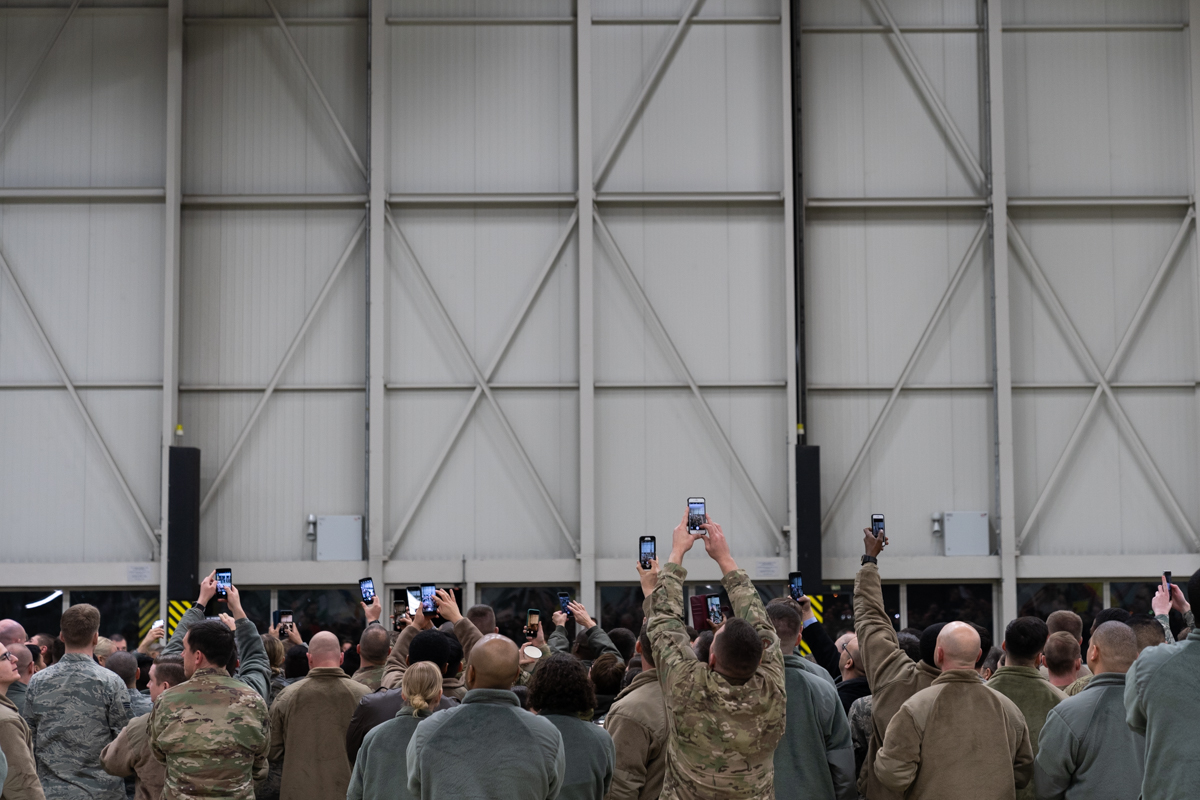
President Donald Trump promised deeper cuts Saturday, vowing to slash U.S. troop numbers in Germany "a lot further than 5,000" after the Pentagon ordered the initial withdrawal. For decades, American service members have defended European soil while allies refused to share the burden. That era is ending.
"We're going to cut way down," Trump told reporters in Florida. "And we're cutting a lot further than 5,000." His words followed Friday's Pentagon announcement that Defense Secretary Pete Hegseth ordered roughly 5,000 troops out of Germany over the next 6 to 12 months. Pentagon spokesperson Sean Parnell said the decision followed "a thorough review" of force posture and recognized "theater requirements and conditions on the ground."
Those conditions include a pattern of European defiance. When America launched its Iran war on Feb. 28, allies declined to support the mission. Italy denied weapons-carrying planes access to Sigonella air base. Spain blocked all base and airspace access for U.S. operations. Germany permitted limited logistics but refused to serve as a staging ground for strikes. Spain stands as the only NATO ally to reject the alliance's new 5 percent GDP defense spending target agreed at The Hague summit in 2025.
German Chancellor Friedrich Merz publicly called the Iran war "ill-considered" and declared the U.S. is being "humiliated" by Iranian leadership. Trump fired back on Truth Social that Merz "doesn't know what he's talking about" and should "fix his broken Country." This contradiction defines the widening transatlantic rift: European leaders publicly undermine American strategy while expecting American troops to remain stationed on their soil.
The German defense establishment acknowledged the shift coming. Defense Minister Boris Pistorius called the withdrawal "anticipated" and "foreseeable," urging Europe to take more responsibility for its own security. "We Europeans must take on more responsibility for our security," he stated. NATO spokesperson Allison Hart echoed the assessment, noting the adjustment "underscores the need for Europe to continue to invest more in defence and take on a greater share of the responsibility."
Germany projects defense spending above 3 percent of GDP by next year, still short of NATO's 5 percent target. The U.S. has poured an estimated $25 billion into the Iran war while European allies offered limited military support. The math exposes the dependency.
Trump paired the military withdrawal with economic pressure, announcing last week that he would raise tariffs on EU cars and trucks to 25 percent. European Parliament trade committee chair Bernd Lange called the tariff hike "unacceptable." The dual approach delivers a coordinated accountability campaign aimed at allies who benefit from American protection without sharing the burden.
Republican lawmakers pushed back against the withdrawal. Sen. Roger Wicker and Rep. Mike Rogers issued a joint statement expressing "very concerned" opposition, warning the pullout would "undermine deterrence and send the wrong signal to Vladimir Putin." Their statement acknowledged Germany increased defense spending but argued translating investment into capability "will take time."
That reasoning preserves dependency rather than enforcing accountability. If Europe's defense spending increases justify a continued American presence, why did Europe wait until Trump threatened withdrawal before increasing spending?
The drawdown returns U.S. troop levels in Europe to pre-2022 levels, before Russia's invasion triggered a Biden-era surge. More American forces may redirect to the Indo-Pacific, where Washington views China as the primary threat. Former diplomat Donald Jensen called the shift a "permanent change" in Europe's security architecture and a "more transactional view by Washington of our European partners."
Military branches had no prior knowledge of the decision and learned about it "in real time," according to a U.S. defense official speaking anonymously. The Pentagon says troop removals will not affect Landstuhl Regional Medical Center, which treats troops wounded in the Iran war.
Approximately 36,000 active-duty personnel were stationed in Germany as of December 2025. The 5,000 troops represent roughly 14 percent of that total. More than 30,000 U.S. troops will remain in Germany after the drawdown, with about 80,000 to 86,000 active-duty service members total in Europe.
The 2026 National Defense Authorization Act prohibits the Pentagon from reducing troop levels in the European theater below 76,000 without the Defense Secretary certifying to Congress that the decision was made in coordination with NATO allies. Wicker and Rogers stated they expect the Pentagon to "engage with its oversight committees" on the decision.
Trump called NATO "absolutely useless" and "a paper tiger" for not joining the Iran war. On April 30, he said he would "probably" pull troops from Italy and Spain as well. "Italy has not been of any help. Spain has been horrible. Absolutely."
Service members' families brace for relocation orders while allies recalibrate their security assumptions. For decades, American troops guarded European cities while politicians in Berlin, Madrid and Rome debated whether to share the costs. The withdrawal ends that arrangement. America will no longer subsidize allies who block U.S. military operations, refuse defense spending commitments, and publicly mock American leadership while expecting American protection.