Congressional Standoff Paralyzes DHS for Record 76 Days, Then Sidesteps Oversight
A record 76-day DHS shutdown devastated federal employees and travelers, yet the resolution excludes immigration agencies from funding while fast-tracking $70 billion through reconciliation with minimal congressional oversight.
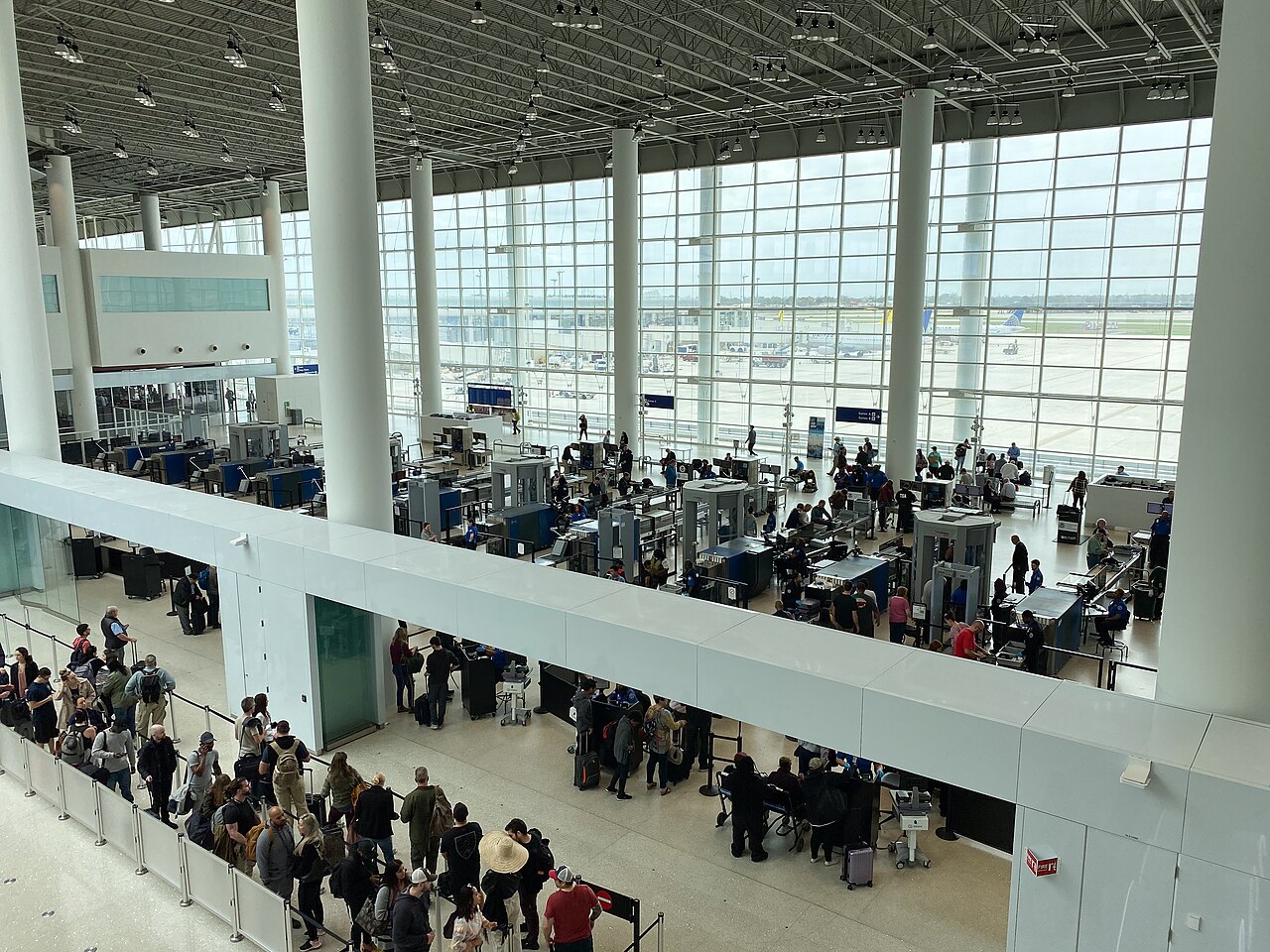
Over 1,000 TSA agents quit. The Coast Guard racked up millions in unpaid utility bills. Travelers endured four-hour security lines at airports across the country. All of it unfolded over 76 days of paralysis at the Department of Homeland Security before Congress finally restored funding Thursday — on terms that sidestep the very immigration enforcement dispute that triggered the crisis.
President Trump signed H.R. 7147 on April 30, restoring operations to the TSA, Coast Guard, FEMA and the Secret Service after the longest shutdown of a federal department in U.S. history. The bill deliberately excluded Immigration and Customs Enforcement and the Border Patrol, leaving those agencies to operate on whatever resources remained.
The shutdown exacted a steep toll on federal workers and the public alike. TSA call-out rates peaked at 12 percent as agents left the force in droves. Security wait times routinely exceeded four hours at major hubs like Houston George Bush Intercontinental.
Coast Guard stations faced electricity shutoffs while the service accrued more than $300 million in unpaid obligations. Six thousand utility bills totaling $5.2 million went unpaid.
Coast Guard Commandant Admiral Kevin Lunday called the crisis horrific. "It seems like a horror movie, but it's actually happening," Lunday told CBS News. "They're putting those thousands of dollars on credit cards. They're depleting their savings."
FEMA's disaster relief fund plummeted to $4 billion, leaving roughly $1 billion available for existing disaster response as hurricane season approaches. The Cybersecurity and Infrastructure Security Agency furloughed 60 percent of its staff and scaled back proactive infrastructure assessments.
Speaker Mike Johnson openly acknowledged holding the DHS funding bill hostage to force a confrontation over ICE and Border Patrol appropriations. "We threw a fit, and we had to," Johnson said. "We held the homeland bill, the underlying funding bill, because we had to ensure that they could not isolate and eliminate those two critical agencies."
After a prolonged standoff, the House passed the Senate's DHS bill by voice vote on April 30. The measure accepted a framework that excluded immigration enforcement funding, a shift driven by White House pressure and an approaching recess deadline rather than Democratic concessions.
The compromise left border operations dependent on pre-existing windfalls rather than sustainable, accountable appropriations.
Just one day earlier, the House passed a budget blueprint 215-211 to launch a $70 billion reconciliation package for ICE and CBP. The maneuver bypasses traditional appropriations committees and locks in three years of pre-funded enforcement spending under a June 1 deadline set by the White House.
Experts and lawmakers warn that fast-tracking massive enforcement budgets through reconciliation destroys the tempering influence of annual budget reviews. Rep. Mark Amodei, a Republican appropriations subcommittee chairman, said prefunding agencies for three years eliminates congressional oversight.
"It's like saying, 'We're going to abolish Article 1 for three years,'" Amodei said. "We want to give you your stuff in a consistent, predictable, sustainable way — that's our job. Just prefund me for three years. Really? How about you prepay me for three years. You'd be dumber than hell to do that."
Former White House OMB General Counsel Sam Bagenstos described the ICE funding approach as unprecedented. "Here what we have is just a massive shoveling of cash to an agency with few if any strings," Bagenstos said. "I can't think of an example that's anywhere close to that."
John Sandweg, former acting ICE director, said removing annual scrutiny creates vulnerability. "Having that appropriations mechanism where you have to get up there and defend what you did and how you did it every year — that is a tempering influence on the agency," Sandweg said. "You have created a real vulnerability to fraud or misconduct."
The Coast Guard faces its first missed paychecks this month. Utility shutoffs have already hit duty stations and housing units. DHS Secretary Markwayne Mullin warned that emergency funds were completely exhausted. "I am completely out of the slush fund," Mullin said last week.
The $70 billion reconciliation package would fund ICE and CBP through 2029, replacing transparent annual appropriations with a three-year cash infusion. Critics say the approach strips Congress of its constitutional oversight role. The Senate passed its version of the budget resolution 50-48 on April 23.
Senate Democrats had demanded reforms including warrants for enforcement actions, prohibitions on masked agents, and body camera requirements following the January killings of two U.S. citizens by federal agents in Minneapolis. Republicans rejected those measures.
Senate Minority Leader Chuck Schumer called the shutdown "over a month of unnecessary pain for millions of Americans brought to you by the House GOP." House Minority Leader Hakeem Jeffries accused Republicans of keeping DHS shuttered "because of their toxic demand to spend billions of taxpayer dollars on ICE brutality."
While politicians maneuvered over funding battles, federal employees went into debt, travelers faced chaos at airports, and critical infrastructure protection weakened. The resolution ends the shutdown but leaves a legacy of institutional damage.
Taxpayers now face the immediate costs of the shutdown and the long-term risks of an enforcement apparatus operating with minimal congressional scrutiny. Behind the political theater are the Coast Guard sailors maxing out credit cards to keep the lights on, the TSA agents who walked away from the job, and the families waiting in security lines while Washington argued over who gets to spend their money.