Democratic Party Apparatus Crumbles Amid Debt, Donor Exodus
Maine Gov. Janet Mills' suspended Senate campaign exposes a structural crisis: the DNC drowns in debt while individual Democrats hoard cash, as donors abandon the party apparatus
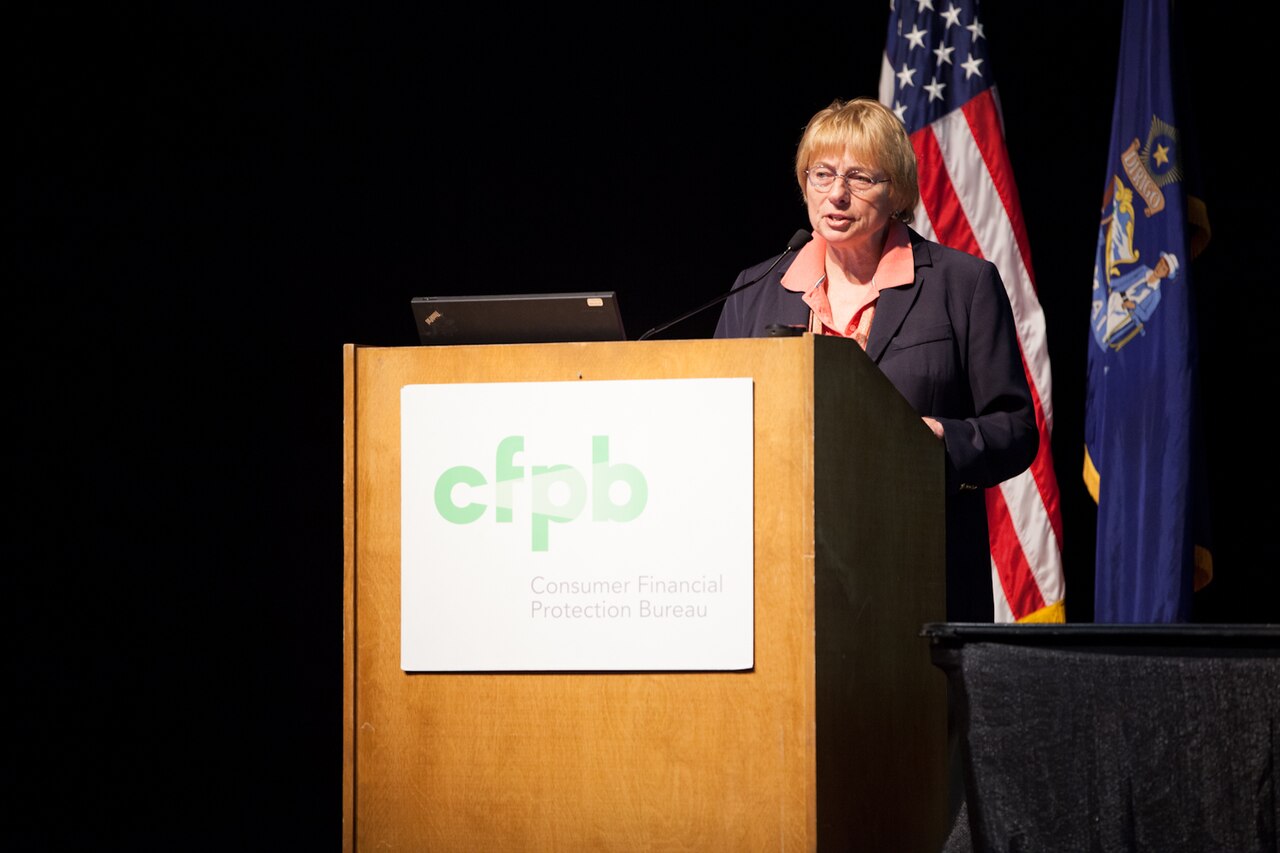
Maine Gov. Janet Mills suspended her Senate campaign this week with a blunt admission: "I very simply do not have the one thing that political campaigns unfortunately require today: the financial resources." Her collapse reveals a deeper paradox within the Democratic Party. Individual politicians and committees sit on record cash reserves, yet the national party apparatus drowns in debt.
The Democratic National Committee stands as the only major national party committee carrying substantial debt. Federal Election Commission filings show the DNC holds $13.9 million in cash against $18.4 million in debt as of March 2026. The Republican National Committee, by contrast, holds $116.8 million with zero debt.
This financial inversion signals a market correction. Capital refuses to fund what donors perceive as a dysfunctional bureaucracy. Top Republican committees hold nearly $1 billion combined. The Democratic Senatorial Campaign Committee and Democratic Congressional Campaign Committee sit on $36.5 million and $69.9 million respectively, both debt-free. Even individual Democratic candidates maintain substantial war chests. Sen. Jon Ossoff of Georgia holds $31.7 million, demonstrating donor willingness to fund perceived viability while bypassing the central party.
Mills, the establishment choice to challenge Sen. Susan Collins, raised $2.7 million in the first quarter of 2026. Oyster farmer Graham Platner, her primary challenger, collected $4.1 million during the same period. The disparity shows how donor capital flows to candidates who can demonstrate electoral strength. Party-backed contenders remain stranded without institutional support.
"The Democratic Party as a national entity has a severe brand problem," Jones-DeWeever told The Epoch Times in an email. In a separate statement, she said, "Donors, it seems, have shifted their funds from supporting an institution they no longer trust to instead investing in individual candidates that have demonstrated strength in this moment." Her analysis points to a fundamental breakdown in donor confidence that transcends typical post-election fundraising slumps.
Democratic strategist Steve Schale confirmed the institutional crisis. "There is a confidence issue that remains institutional," Schale told the Washington Examiner. "Donors are happily writing checks to support individual people in races they think are winnable." This strategic bypass has left the DNC financially isolated. Donors route money directly to candidates and allied committees instead.
Internal DNC failures triggered the donor strike. The committee borrowed $15 million in October 2025 and spent $6.5 million to purchase the Kamala Harris 2024 campaign fundraising list after a crushing presidential loss. DNC Chair Ken Martin remains in leadership despite a 62 percent dissatisfaction rate among Democrats who want party leadership replaced, according to polling cited by the Washington Examiner.
"The DNC itself has lost trust with donors because of Kamala Harris's disaster run," Evan Barker, a former DNC fundraising volunteer who has since left the party, told the Washington Examiner. "The fact that they won't release the autopsy report is not a good way to rebuild this trust." Martin defended the debt on Pod Save America. "We do have debt, Jon, and that's because I took out a loan last year to make sure we can make deep investments. We can pay that debt off whenever the hell we want."
Democratic spending disasters extend beyond party infrastructure. House Majority Forward, a Democratic-aligned 501(c)(4), spent upwards of $40 million on a Virginia redistricting amendment that the state Supreme Court struck down on May 8, 2026. Democrats wasted at least $64 million on a failed Virginia redistricting gamble while their national committee starves.
Amanda Litman of Run for Something PAC warned of the strategic danger. "The DNC does not do or matter nearly as much as most people would like to think — but this kind of disparity is horrific and for what we need the DNC to prepare to do in 2027/2028, extremely alarming," Litman stated. She noted that organizers, communications infrastructure and long-term planning require resources the bankrupt committee cannot provide.
GOP strategist Dennis Lennox framed the situation as a natural market response. "Money follows power, and, at least for now, Republicans have it," Lennox told the Washington Examiner. "When one party controls the White House and Congress, the national committee becomes the depository for donors and interests looking to stay in good standing." His analysis positions Democratic financial struggles as a direct reflection of political disenfranchisement and organizational failure.
The Mills campaign collapse serves as the human face of this broader structural decay. Her establishment backing from Senate Minority Leader Chuck Schumer and the DSCC proved insufficient against a donor class that has lost faith in Democratic institutional competence. Platner's superior fundraising despite his controversial background, including a Nazi tattoo that drew criticism, demonstrates that donor alienation from the party apparatus has reached critical levels.
Democratic officials argue the committee is outperforming its post-2016 pace, with roughly 50 percent more cash on hand than at a comparable point following a presidential loss. They point to robust first quarter 2026 fundraising, including $6 million from grassroots donations in March alone. These figures pale beside the RNC's $21.2 million March haul and the broader Republican financial advantage.
The financial disparity threatens Democratic preparedness for the 2026 midterms and beyond. The DNC cannot coordinate down-ballot races effectively. Republicans gain organizational advantages that translate into electoral success. A party apparatus that cannot marshal capital efficiently loses leverage over candidate selection, campaign strategy and long-term planning. Democrats cede ground to a better-funded opposition.
Mills' withdrawal after canceling a Washington, D.C., fundraiser and stopping television ads in late March represents more than a single campaign failure. It exposes a systemic breakdown where donors will fund individual candidates but refuse to support the institutional machinery designed to elect them. This market correction leaves Democrats wealthy at the top while bankrupt at the center. For any political organization, it is a precarious position.