Farage Demands Snap Election as Labour Government Collapses
Reform UK leader Nigel Farage demands immediate general election as Labour fractures under mounting pressure, with internal rebellion and collapsing poll numbers threatening to upend Britain's political order.
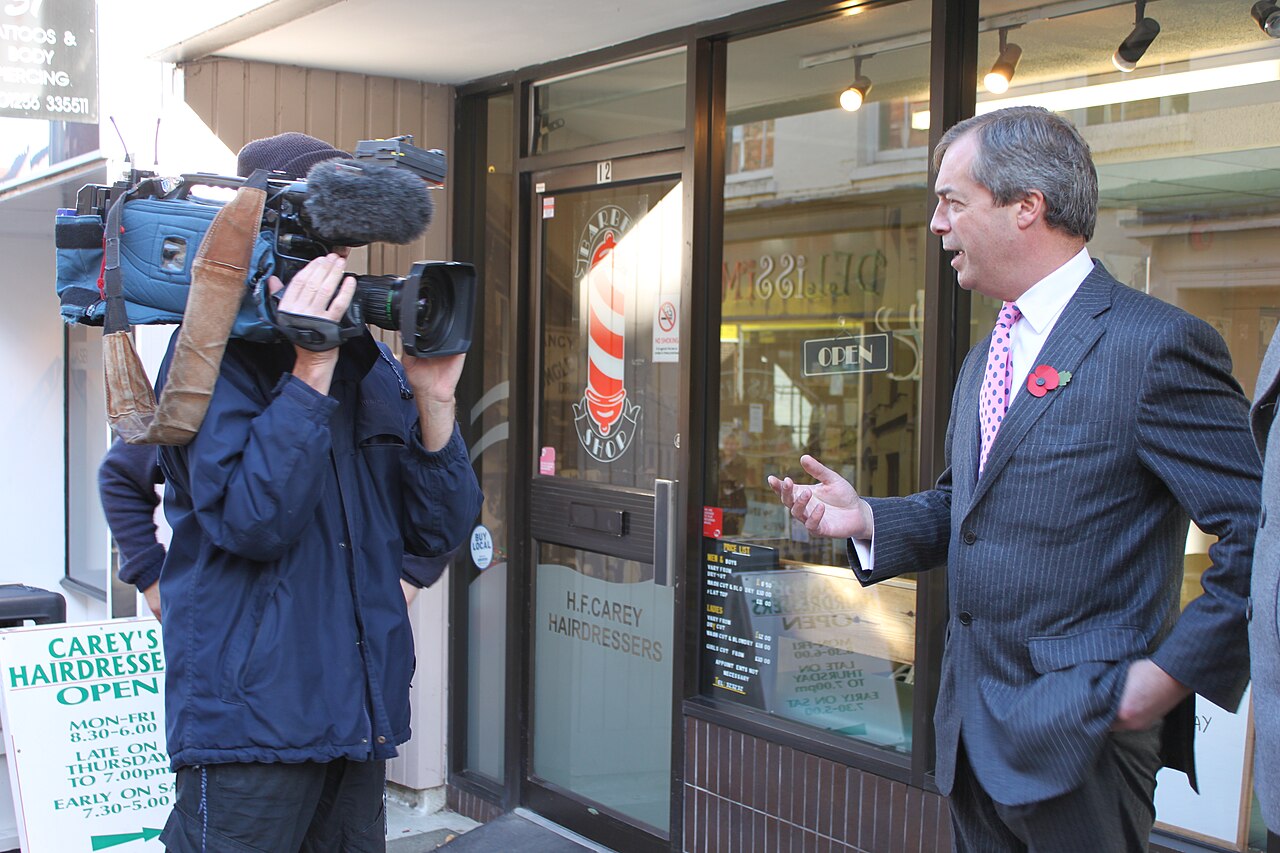
Nigel Farage demanded a snap general election on May 27, warning that any Labour prime minister who inherits the job without voters' approval would govern without a mandate. The Reform UK leader's challenge underscores a crisis of legitimacy in British politics. A party once dismissed as fringe has led national polls for more than 200 consecutive weeks since May 2025, even as the governing Labour Party splinters from the inside.
"The public have had enough of prime ministers constantly changing," Farage told The Telegraph on May 27. Reform UK currently sits at 27.3 percent in PollCheck's seven-poll moving average, well ahead of Labour's 19.3 percent. Starmer's net approval rating has plunged to minus 43, with 48 percent of voters saying he should step down rather than seek another leadership contest.
More than 95 Labour MPs have called on Starmer to resign or announce a departure date. Senior cabinet ministers have joined the chorus, urging an orderly transition. The rebellion has left the government unable to act while Reform extends its polling lead, a dominance that began in May 2025.
Patrick English, elections director at YouGov, says Farage's timing makes strategic sense. "Given Reform are still out in front in the polls at the moment, but they are trending down, it's definitely in their interests to force an election as early as they can," English told i News. Reform's support has slipped from a peak of 32 percent in late 2025 to roughly 26 to 27 percent today.
The establishment has organized to block Reform's rise. The Public and Commercial Services Union committed £3 million annually to fight a Reform government. The National Education Union passed a motion labeling Reform a "racist and far-right party." Unison has activated 1,000 activists through its "Responding to Reform UK" network.
Reform MP Danny Kruger cautioned against institutional overreach. "Striking on grounds of political objection to an elected government would be illegal, and those civil servants who do so would soon find they have no jobs to return to," Kruger told spiked.
Former Labour deputy leader Harriet Harman recognized the legitimacy crisis. "We might find ourselves not only with a new prime minister, but somehow tipped into a new general election," Harman told The Guardian. She observed that Farage would label any unelected Labour successor a "usurper."
Reform has constructed governing capacity beyond Westminster's protest politics. The party captured 677 seats across 23 councils in May 2025 local elections, the largest haul of any party in those contests. This grassroots momentum stands in sharp contrast to the 2024 general election, when Reform won 14.3 percent of the vote but only five parliamentary seats under first-past-the-post rules.
The Makerfield by-election on June 18 captures this national political shift. Survation polling puts Labour at 43 percent, Reform at 40 percent, and Restore Britain at 7 percent. Greater Manchester mayor Andy Burnham, a potential successor to Starmer, has entered the race even as Reform candidate Robert Kenyon posts strong numbers.
Betting markets price Burnham at 4-11 odds to win, Reform at 5-2. The tight race underscores how much pressure weighs on both parties as Westminster's traditional gatekeepers weaken.
A YouGov poll finds 53 percent of the public would favor a fresh election if a new Labour prime minister took power, versus 27 percent against. The numbers support Farage's argument that the government has lost its mandate.
Labour's unraveling follows historic losses in May's local elections, where the party lost control of 38 councils and nearly 1,500 council seats. Welsh Labour leader Eluned Morgan became the first sitting head of government to lose her seat in British history.
Conservative leader Kemi Badenoch called Starmer's position "untenable." Shadow Transport Secretary Richard Holden said the prime minister had "lost the confidence of the country." Four junior ministers resigned on May 12, followed by Health Secretary Wes Streeting on May 14.
Reform's sustained polling strength threatens to dismantle Britain's two-party system, which has dominated since World War II. The party's lead marks the most significant populist challenge to establishment politics in modern British history.
Farage confronts his own controversies. The Parliamentary Standards Commissioner is investigating whether he breached Commons rules by failing to declare a £5 million personal gift from billionaire cryptocurrency investor Christopher Harborne. Farage says Russian intelligence agents hacked his phone to leak details of the gift, which he describes as intended for "long-term personal security."
Whether through Burnham's potential "bounce" or Farage's relentless pressure, the old political order is breaking apart. Voters seem ready to hand power to whoever offers a clean break from the past.