Former BBC Chief: 'Progressive Madness' and Ideological Bullying Drove Leadership Out
A former BBC news director says ideological conformity and bullying over trans issues made the corporation unmanageable, part of a pattern that saw multiple senior executives depart amid growing controversy.
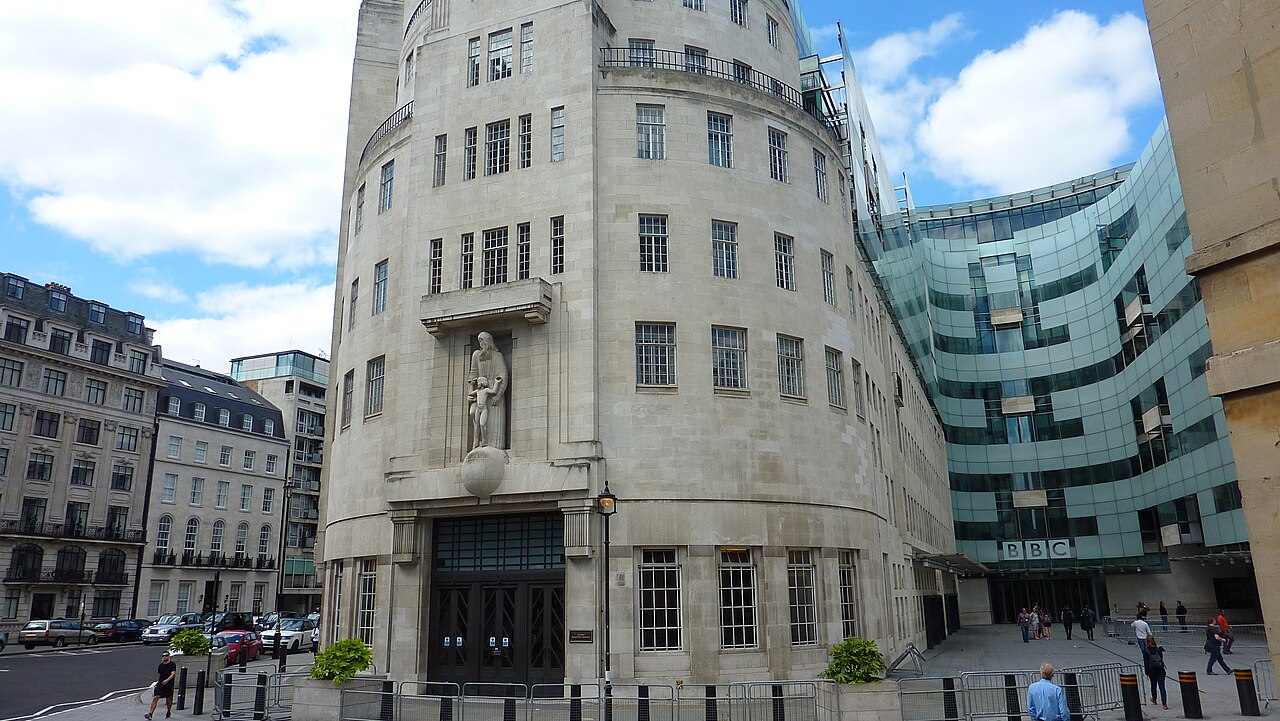
Fran Unsworth watched the news division she led become unmanageable, then walked out the door.
The former BBC Director of News says "progressive madness" and relentless bullying over transgender issues drove her from her post during a four-year tenure that stretched from 2018 to 2022. Unsworth told UnHerd in an exclusive interview published May 16 that the pressure became unbearable.
"I would actually say it drove me out," Unsworth said. "Just dealing with the progressive editorial issues and the bullying around them all. It was incredibly difficult."
The broadcaster she described sits on £180 annual license fees paid by British households. Taxpayers fund the corporation while, according to former executives, ideological conformity replaced journalistic standards.
News editors avoided critical reporting on trans issues, fearing attacks from colleagues. Unsworth placed her experience in a broader context, observing that the culture shift swept through the entire organization.
"The world went mad, and the BBC, because it is part of the world, went a bit mad with it," she said. "There was a sea in which we all swam...We need to be kind to transitioning people. It's a social phenomenon."
The institutional capture began long before Unsworth departed. A 2018 BBC-Stonewall report on LGBT culture at the corporation openly declared that balanced debates on LGBT issues stood "at odds with the BBC's corporate stance on LGBT inclusion."
Then came a leaked recruitment policy from January 2024. The document instructed staff not to hire candidates "dismissive" of diversity and inclusion mandates.
Former BBC journalist Robin Aitken called the hiring guidelines a mechanism to enforce groupthink. "These guidelines illustrate just how embedded DEI ideology is in the BBC," Aitken said. "The rules act as a mechanism to maintain groupthink and screen out anyone who is sceptical of this novel doctrine of diversity and inclusion."
Enforcement carried real consequences. A November 2025 memo from Michael Prescott alleged "effective censorship" by an LGBT desk that blocked gender-critical reporting. The memo directly triggered the resignations of Director-General Tim Davie and Head of News Deborah Turness on November 9, 2025.
The pattern of forced departures extended further. Former BBC chief writer Cath Leng said she was pushed out in 2023 after 25 years at the corporation over her gender-critical views.
"I was ostracised," Leng told UnHerd. "It was a war of attrition. They wear you down."
The ideological push reached children's programming. Parent groups representing 650 families formally petitioned Ofcom in November 2025. The Bayswater Support Group requested an investigation into what it called the BBC's "constant drip-feed" of one-sided pro-trans programming, including controversial Hey Duggee episodes that assigned "they/them" pronouns to a character.
Standards eroded to levels that struck many as absurd. The corporation rebuked veteran presenter Martine Croxall for correcting her autocue from "pregnant people" to "women" during a heatwave report. The BBC Executive Complaints Unit ruled in November 2025 that her facial expression indicated "a particular viewpoint" and fell short of impartiality expectations.
This enforcement directly contradicted established law. The UK Supreme Court ruled in April 2025 that "sex" in the Equality Act 2010 means biological sex at birth. The BBC continued policing language that recognized this legal reality.
Now a new crisis confronts the broadcaster. Director-General Matt Brittin inherits £500 million in cuts and staff strikes on his first day on the job. Brittin earns £565,000 annually while the corporation demands public funding.
"The BBC needed to be better than that," Unsworth said of her own tenure.
Her words carry the weight of someone who tried to lead a major newsroom and found the culture intolerable. The revelations confirm what former executives have long suspected: activist pressure and a culture Unsworth calls "progressive madness" drove out dissenting voices. Britain's premier public institution, funded by its citizens, now stands as a case study in how state-sponsored messaging corrupts professional standards.