Immigration Concerns Drive Historic Labour Defeat in UK Local Elections
Voters across the UK delivered a crushing defeat to Labour's pro-immigration agenda, handing Reform UK historic gains in local elections that signal a fundamental realignment of British politics.
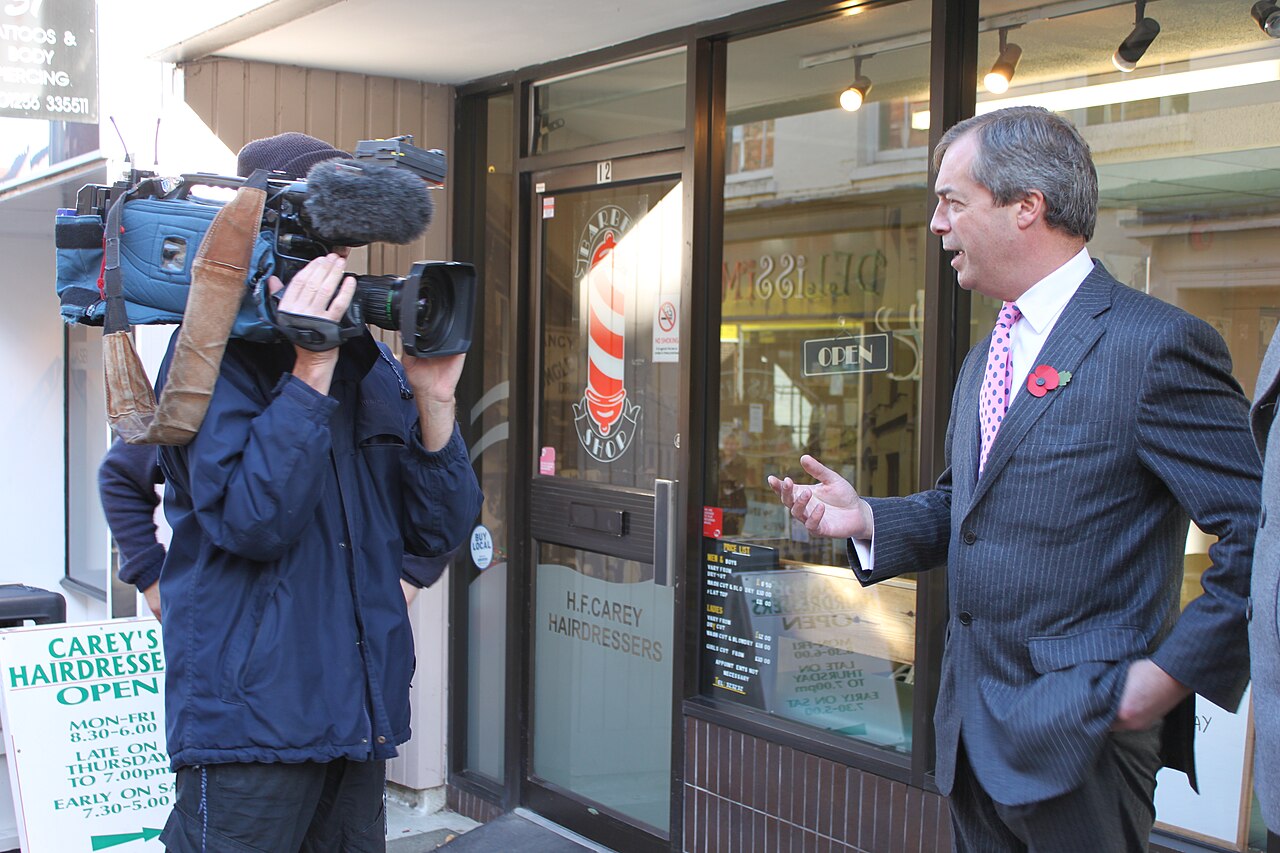
Voters across England, Scotland and Wales handed Labour one of its worst electoral defeats in modern history on May 8, punishing Prime Minister Keir Starmer's party for pro-immigration policies and economic mismanagement. By midday, Starmer's government had lost control of at least eight councils and more than 264 councillors. Reform UK captured 416 seats in a fundamental realignment of British politics.
The scale of the collapse reveals voters rejecting Labour's establishment agenda and embracing Reform's platform of immigration control, national sovereignty and economic nationalism. This is not a protest vote. It is a structural shift driven by immigration concerns and economic frustration, with Reform establishing itself as the dominant anti-establishment force.
Reform built its campaign around immigration control, including proposals for a UK Deportation Command with capacity to deport 288,000 people annually. Net migration fell to 204,000 in the year ending June 2025, yet small boat arrivals reached approximately 41,000 last year. Those numbers fueled voter anger over immigration levels that Labour failed to address.
The conservative party made historic gains in traditional Labour heartlands that have voted Labour since World War I. Reform won all 12 seats in Hartlepool, pushing Labour into no overall control. In Wigan, Reform took 24 of 25 seats, with 22 coming directly from Labour. Tameside, Deputy Prime Minister Angela Rayner's home constituency area, changed from Labour to no overall control for the first time since 1979.
Reform leader Nigel Farage called the results a "truly historic shift in British politics" and declared his party now the "most national of all parties." He stated, "If we cleared Becher's Brook and landed well, we go on to win the Grand National. What is very clear to me is that our voters will stick with us now all the way through."
The fragmentation of British politics accelerated as Reform gained its first London council victory in Havering, taking at least 28 of 55 seats. Sir John Curtice, professor of politics at the University of Strathclyde, estimated Reform at "probably not quite at 30% of the vote," with four other parties each "just a little bit below 20% or so." He noted, "The fracturing of British politics is underlined by these results and confirmed by them."
Professor Tony Travers of the London School of Economics observed Britain is moving from a "two-and-a-half party system to something more like a five-party one." The Green Party's Zoe Garbett won the Hackney mayoral race, becoming the first directly elected Green mayor in the UK and further demonstrating voter disillusionment with traditional parties.
Starmer vowed to remain prime minister despite the devastating losses. "I'm not going to walk away," he told reporters in West London. Deputy Prime Minister David Lammy defended the leadership, stating, "You don't change the pilot during a flight," while Defence Secretary John Healey argued, "Keir Starmer won the mandate for five years from the public."
Former Labour Party Chair Ian Lavery warned that Starmer could "kill the Labour Party" if he refuses to step down. Labour MP Dan Carden offered a structural analysis of the collapse, stating, "Labour is losing today because we are a party that won't say Britain is broken — when it is, won't challenge the rules of globalisation, and we are now a party defined only through tax, spend and welfare — and with no answer for working class voters who've been left behind."
Luke Tryl, executive director of More in Common, noted, "Keir Starmer has become a vessel for people's disappointment and disillusionment." The party's internal crisis deepened as projections suggested Labour losses could exceed 1,500 seats, with counting continuing across all regions.
Reform UK Chairman David Bull described the party's ascent as "meteoric" and said anything between 800 and 900 English seats would be "a great night," with 1,000 representing "a measure of success." The party's platform includes deporting over 600,000 people in its first parliament, revoking indefinite leave to remain and implementing visa freezes on several countries.
Turnout reached 31.5 percent, up from 28 percent in the 2024 local elections, but the increased participation failed to offset the anti-Labour swing. The next general election, due by August 2029, will test whether this political realignment holds as Reform positions itself as the new anti-establishment force in British politics.