Minnesota Senate Passes Bill Restricting Federal Immigration Enforcement
The Minnesota Senate advanced partisan legislation limiting federal immigration operations in the wake of deadly encounters during Operation Metro Surge, setting up a constitutional showdown before the session ends.
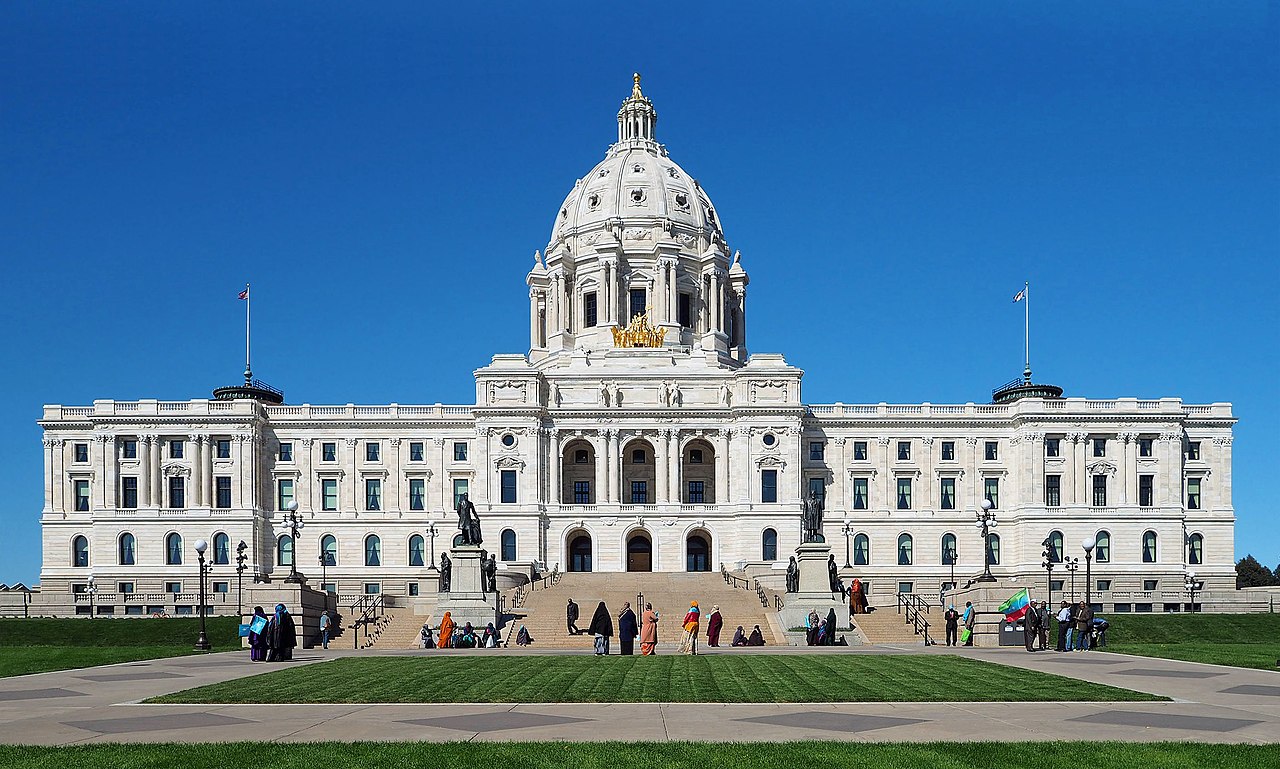
Two dead citizens. One wounded. That toll from federal immigration enforcement operations in Minnesota now fuels a legislative battle pitting state lawmakers against federal authority.
The Minnesota Senate passed the ICE Accountability and Justice bill package on May 11, a 34-33 party-line vote that would severely restrict how federal agents operate across the state. The Democratic-Farmer-Labor Party's action arrives in the wake of Operation Metro Surge, when approximately 3,000 federal agents deployed under the Trump administration and deadly encounters followed.
The legislation functions as sanctuary policy by law. It bans civil arrests at schools, hospitals, childcare centers and courthouses without judicial warrants. State and local law enforcement cannot cooperate with federal agencies unless those agencies accept state liability for constitutional violations. The effect is clear: federal agents operating in Minnesota face legal peril at every turn.
Senate Republican Leader Mark Johnson warned the bill would put Minnesota "on a collision course with dangerous illegal immigrants who roam freely while federal authorities face legal challenges." The Minnesota Sheriffs' Association opposes the legislation and says it would destroy long-standing law enforcement partnerships that have captured dangerous criminals.
The deaths that sparked this legislative push occurred in January. Renee Good, 37, was shot by an ICE officer on Jan. 7. Alex Pretti, an ICU nurse who was also 37, was killed by Border Patrol on Jan. 24. Three lives upended in three weeks.
Rather than secure cooperation, the DFL response was litigation. Attorney General Keith Ellison and Minnesota cities filed a 10th Amendment lawsuit against the Department of Homeland Security on Jan. 12. A federal judge denied a temporary restraining order on Jan. 31 but found the plaintiffs made "a strong showing" of constitutional violations.
DHS data paints a picture of escalating violence against federal officers. A department spokesperson called sanctuary politicians' attempt to ban federal law enforcement from wearing masks "despicable and a flagrant attempt to endanger our officers." ICE officers have faced more than a 1,300 percent increase in assaults, a 3,300 percent increase in vehicular attacks and an 8,000 percent increase in death threats.
Sen. Michael Kreun, a Republican from Blaine, said Democrats' proposals "miss the mark because they are playing to their extreme base that simply doesn't want immigration laws enforced at all." The legislation faces slim prospects in the tied 50-50 Minnesota House. Republicans have shown no interest in taking up the bills before the session ends May 17.
Beyond arrest restrictions, the bill package requires the Minnesota Bureau of Criminal Apprehension to investigate all shootings involving federal officers. It establishes civil liability for law enforcement who shoot someone and fail to provide aid. Minnesotans would gain the right to sue federal agents in state court for constitutional violations.
Hennepin County Attorney Mary Moriarty has already charged one ICE officer with assault for allegedly brandishing a weapon at civilians. She is weighing additional charges against agents involved in the fatal shootings. The federal government has refused to share evidence from the Good and Pretti cases with state investigators.
Legal experts predict supremacy clause challenges will follow. DHS asserts federal authority under the Constitution. DFL legislators argue their state sovereignty rights. Illinois passed similar legislation in 2025, prompting a Trump administration lawsuit now working through federal courts.
The bill arrives amid national tensions over immigration enforcement. DHS has more than doubled ICE staffing from 10,000 to 22,000 since January 2025. As of April 4, 35 percent of people in immigration detention had no criminal record or pending charges. The department has conducted 477,277 removals since Jan. 19, 2025.
Minnesota's legislative session concludes May 17. The bill's symbolic partisan status guarantees a constitutional showdown in federal courts. Two families lost their sons and daughters in the streets of Minnesota. The law that lawmakers in this chamber passed may never take effect. But the question it raises about who holds power when federal and state authority collide will echo far beyond the final gavel.