NYC Subway Murders Spike as Repeat Offenders Roam Free
Four subway murders in seven months expose New York's revolving-door justice system as repeat offenders cycle through courts and hospitals, leaving transit riders fearing for their safety.
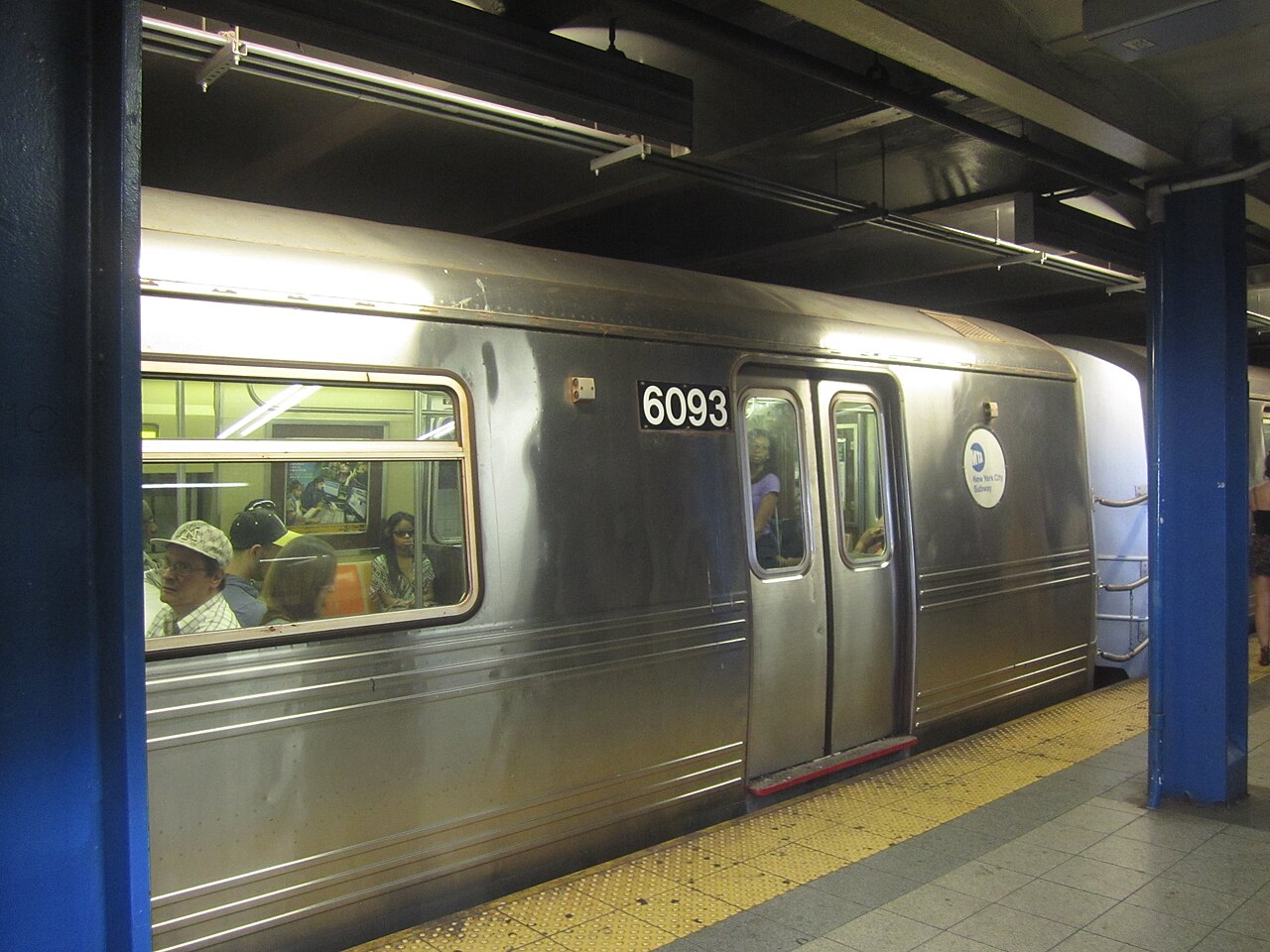
Rhamell Burke walked out of Bellevue Hospital's psychiatric ward at 4:40 p.m. on May 8, still wearing a hospital bracelet. Five hours later, he shoved 76-year-old Ross Falzone down the stairs of a Chelsea subway station. Falzone, a retired teacher and Columbia University doctorate holder, died from his injuries. Burke had been arrested four times in four months and remained free on supervised release. His case exposes the deadly consequences of a justice system that lets dangerous people cycle through without consequence.
"This happens all the time," a high-ranking NYPD source told the New York Post. "We brought him in at 3:30 p.m. and he was released just before 5 p.m. Meanwhile, if you or I walked into Bellevue for a headache, it would take 8 hours just to be seen. NYPD uses its involuntary removal powers all the time. And they just get right out with an Advil."
Four subway murders in seven months represent a fourfold increase over the same period last year. New NYPD data shows transit robberies up 18 percent and misdemeanor assaults up 15 percent year over year, while felony assaults rose 16 percent from 2024 levels. Seventy-two percent of transit arrests went nowhere in 2024, with prosecutors declining charges or judges dismissing cases.
Burke's case illustrates the predictable outcome when dangerous individuals cycle through faster than authorities can track them. The transit police force sits at 2,730 officers, well below the 4,100 peak of 1991. The per-ride risk of violent crime rose from 0.55 per million rides in 2019 to 0.80 in the first four months of 2025. Serious assaults in transit more than tripled from approximately 150 in 2009 to 540 in recent years.
Falzone joins a growing list of subway fatalities this year. Adrian Dawodu was shot dead on a Bronx platform Feb. 10. Curtis Signal pushed a woman onto tracks and punched two others Feb. 14. Bairon Posada-Hernandez shoved 83-year-old Air Force veteran Richard Williams onto Manhattan tracks March 8, leading to Williams' death March 17. Nassadir Tate punched a 55-year-old man at Penn Station March 14, and Anthony Griffin attacked three elderly people with a machete at Grand Central April 11.
Signal, a 25-year-old repeat offender on probation until June 2027, exemplifies the pattern. His criminal history includes punching a 67-year-old woman on an F train, assaulting a police officer, beating a 31-year-old woman at a doctor's office, and striking his 13-year-old sister. A 51-year-old victim of his February attack told the Post, "I was facing death. The system is failing. How is a social worker going to manage this guy? This is going to happen again and again and maybe worse."
Posada-Hernandez, a four-time deported Honduran national with 15 prior criminal charges, represents another systemic failure. ICE lodged a detainer after his March arrest for shoving Williams onto tracks. The agency does not expect New York's sanctuary laws to honor the request.
Mayor Zohran Mamdani ordered NYC Health + Hospitals to investigate Burke's release, calling the killing "horrific." Carolyn D. Gorman, a fellow at the Manhattan Institute, called Mamdani's response "very sort of superficial" and noted the mayor "is not interested" in the serious mental illness focus that former Mayor Eric Adams pursued.
Mamdani's proposed Department of Community Safety would substitute social workers for police. The approach drew direct criticism from Signal's victim. Both the Burke case and Signal attack demonstrate that social workers alone cannot manage dangerous repeat offenders.
Transit riders express growing fear. "Every time I hear something like this, I get more fearful," said Yolene Martinez, 24, an office worker. "I can't drive into the City so I rely on the train. It's happening too often — someone gets pushed on the tracks, someone gets slashed, someone gets shot. When will it end?"
Susie Gonzales, 50, a Harlem engineer, stated, "As a mature single female, it's dangerous. I saw someone pull out a machete on the 1 line." Michael Ford, 74, a Manhattan retiree, added, "You've got a lot of people walking around here with mental health issues and controlled substances. It's not good because I take the subways a lot."
The NYPD notes it added more than 175 officers to the subway daily, with robbery arrests up 30 percent and felony and misdemeanor assault arrests both up 5 percent. Commissioner Jessica Tisch stated last year was the safest subway year since 2009 excluding pandemic years, with transit robberies falling to their lowest point ever in 2025.
Data integrity questions persist. A Vital City analysis found all 95 monthly major crime totals examined from 2018 through November 2025 were later revised upward, none downward. Transit crime revision rates hit 11.2 percent in 2025 versus 4.6 percent citywide. The already-concerning current figures likely understate the true level of transit crime.
The structural conditions that produced Burke's release — inadequate police presence, weak prosecution, insufficient detention capacity — are systemic, not incidental. A City Journal analysis notes police made 23,326 arrests in the transit system in 2024, but 72 percent went nowhere. Only 45 percent of charges were dead-ends in 2019, itself a significant increase from the mid-2010s norm of closer to 12 percent.
Rafael Mangual of the Manhattan Institute observed, "What's not surprising is that there seems to be a significant increase in certain offenses that is coupled with a decrease in enforcement."
Councilman Phil Wong (D-Queens) stated, "This horrific case is another example of New York City's revolving door system failing the public, where dangerous individuals with long criminal histories and severe mental health issues are released right back onto our streets. These are ticking time bombs, and unless we get serious about repeat offenders and involuntary treatment, more innocent New Yorkers will pay the price."