Poland's Constitutional Court Rejects European Mandate, Asserts Sovereignty
Poland's Constitutional Tribunal ruled the president may refuse to swear in parliamentary nominees, directly defying a European Court of Human Rights directive and asserting national sovereignty over supranational mandates.
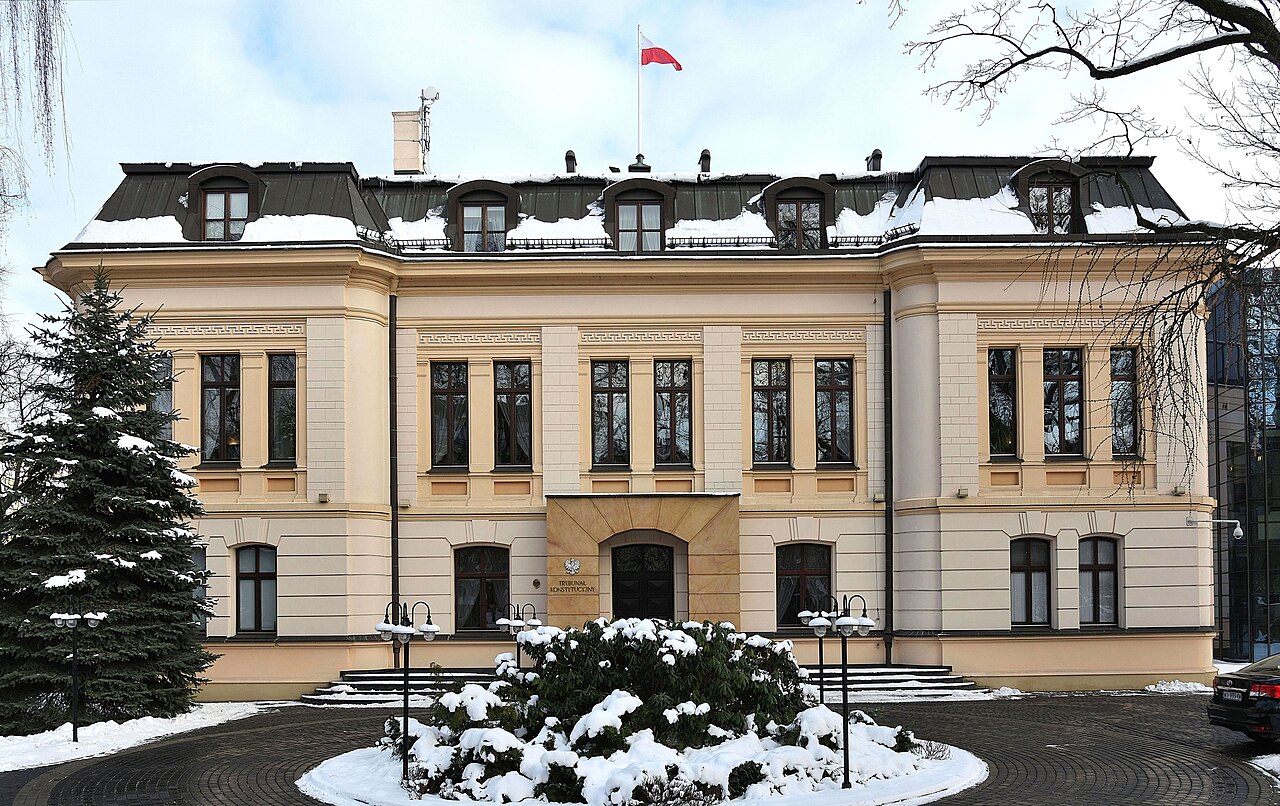
Poland's Constitutional Tribunal ruled May 12 that the president holds the constitutional right to refuse swearing in judges elected by parliament, directly rejecting a European Court of Human Rights directive demanding judicial appointments. The decision places Warsaw's highest court on a collision course with Brussels, as it asserts national sovereignty over expanding supranational legal authority.
The ruling in Case K 3/26 affirms that President Karol Nawrocki possesses constitutional discretion to decline administering oaths to Sejm-selected judges. It immediately undermines both the Tusk government's demands and an ECHR interim measure issued May 5 requiring Poland to accept four judges. Tribunal Chief Justice Bogdan Święczkowski told broadcaster Polsat, "As a rule, the president should administer these oaths. However, extraordinary situations may arise in which the oath will not be administered."
The confrontation began March 13 when the Sejm elected six judges to the Constitutional Tribunal. President Nawrocki swore in only two judges on April 1, citing constitutional concerns about the selection procedure. The remaining four judges took their oaths at the Sejm on April 9 in defiance of presidential authority, creating parallel judicial claims.
Tribunal spokesperson Weronika Ścibor rejected the ECHR's authority. "The ECHR does not have the authority to adjudicate on the constitutional structure of Poland. It also cannot oblige any Polish body, including the government, to interfere with the powers of the highest judicial authority, the Constitutional Tribunal."
President Nawrocki's Chief of Staff Zbigniew Bogucki reinforced the constitutional supremacy argument. "In Poland, the supreme law is the constitution," Bogucki said, "and the TK is the only competent body to assess the compliance of given actions by the authorities, including in the area of jurisdictional disputes."
The government responded with aggressive countermeasures. Justice Minister Waldemar Żurek ordered a criminal investigation on April 13 into unnamed presidential advisers for allegedly aiding abuse of power. Żurek dismissed the tribunal's ruling as "a political setup with the participation of doublers," using the government's term for judges appointed under the previous PiS administration.
Prime Minister Donald Tusk insisted the ECHR order "must be enforced," despite the tribunal's constitutional authority. Government spokesman Adam Szłapka argued the constitution "very clearly" states tribunal judges are appointed by parliament and must take oaths, though he offered no legal basis to override the tribunal's ruling.
This clash carries deep historical roots. In 2015, President Andrzej Duda refused to swear in judges elected by the outgoing PO-PSL government, establishing precedent for presidential discretion. In December 2025, the Court of Justice of the European Union ruled that the Constitutional Tribunal does not meet EU standards for an independent tribunal. Warsaw conservatives view that decision as foreign interference in domestic judicial matters.
The practical stakes are immediate. The Constitutional Tribunal currently operates with 11 of 15 seats filled, just meeting its quorum. Two more vacancies will occur later this year, potentially shifting the court's ideological balance if the government succeeds in seating its nominees. Święczkowski noted the government's refusal to implement over 70 tribunal rulings demonstrates systematic disregard for constitutional checks.
The four judges locked out of office face uncertain status. They filed the ECHR case that triggered the interim measure, but tribunal leadership refuses to recognize their appointments. Government officials have acknowledged a contingency plan to seat the judges, though Justice Minister Żurek declined to specify details when asked by broadcaster TVN. Analysts have speculated such a move could involve police assistance.
The tribunal's position asserts that national courts, not supranational institutions, determine constitutional compliance. Poland's Constitutional Tribunal stands as a frontline defender of national sovereignty. The May 12 ruling establishes clear constitutional supremacy over external directives, framing the conflict as a decisive choice between national self-determination and supranational overreach.