Reform Clash Proves Hardline Immigration Policy Drives Growth
Reform UK's immigration policy clash between Zia Yusuf and Robert Jenrick reveals a movement's growing pains as electoral success fuels internal competition over enforcement details.
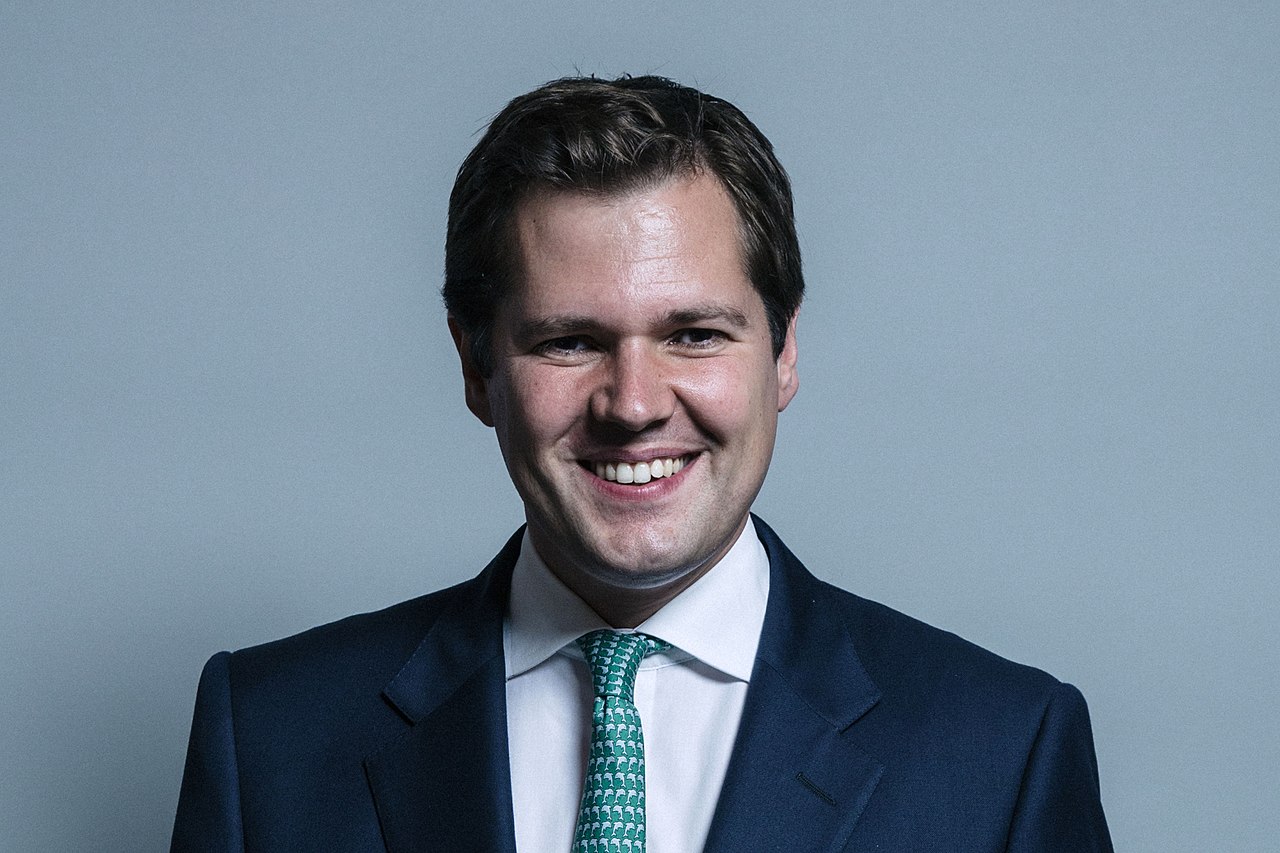
Reform UK's immigration enforcement agenda hit turbulence Tuesday when home affairs spokesman Zia Yusuf publicly contradicted treasury colleague Robert Jenrick on deportation policy. Their disagreement exposes the growing pains of a movement scaling from protest to governance.
Jenrick suggested on May 24 that social housing alone would not automatically trigger deportation. Two days later, Yusuf stepped in to clarify.
In a May 26 X post, Yusuf declared that position "is not Reform policy." He spelled out the line: foreign nationals occupying social housing at taxpayer expense "automatically fail our economic test and will be deported."
Both men back Reform's uncompromising platform. They want to abolish indefinite leave to remain, deport up to 6,000 illegal migrants weekly, and enforce strict economic criteria for legal migrants. Their disagreement centers on implementation, not direction. The clash exposes a competitive internal culture that prioritizes strict adherence to hardline principles over political convenience.
Jenrick defended his position by pointing to broader economic criteria. "If they fail to meet our criteria, because they're not in work, or they're not working in as many hours, not earning enough money, then they won't be able to renew their work visa," he told Sky News. "Because ILR won't exist, and they'll be asked to leave."
Opposition figures moved quickly to exploit the rift. Labour immigration minister Mike Tapp dismissed Reform as "rag tag" and "in chaos." Conservative MP Chris Philp declared the spat shows Reform is "not a serious party." Those rhetorical attacks stand in stark contrast to Reform's polling and electoral momentum.
The party captured more than 1,450 council seats in May 7 local elections, including its first London borough control in Havering. A May 23 Survation poll shows Reform at 40 percent to Labour's 43 percent in the Makerfield by-election. Across eight Makerfield wards, Reform swept every council seat up for grabs.
Jenrick and Yusuf had clashed publicly before, exchanging insults on X in July 2025. They reportedly reconciled at a January 2026 dinner following Jenrick's defection from the Conservatives. This latest correction suggests internal competition over immigration policy remains a feature of a party unwilling to compromise on principle.
London mayoral candidate Laila Cunningham acknowledged the opposition's strategy. "I think the opposition parties have done very well in not arguing our substantive policy, but just labelling us as racist or divisive," she told The Independent May 27. "That has landed, sadly."
Left-wing outlets have framed the row as "civil war" to undermine Reform's credibility. The public correction signals something different: a disciplined party enforcing strict policy standards rather than bowing to political expediency.
Reform's broader platform includes a £2,500 voluntary departure incentive, leaving the European Convention on Human Rights, and building detention centers in Green-voting areas. Migration Observatory data from 2021 shows 15 percent of social housing tenants were born outside the UK, slightly lower than the foreign-born share of the overall population. Jonathan Portes of King's College London confirms settled migrants face eligibility hurdles before accessing social housing.
The clash proves Reform's commitment to an uncompromising enforcement agenda that voters reward at the ballot box. It reflects growing pains for a movement challenging establishment politics while maintaining policy rigor. As opponents rely on rhetorical attacks, Reform's internal tensions underscore its seriousness about implementation details voters demand.