Smugglers Turn to Luxury Yachts to Evade UK Border Controls
Five men face charges after authorities intercepted a yacht smuggling Albanian migrants nearly five miles inland at a West Sussex marina, revealing how criminal networks exploit Britain's vast coastline with premium-priced operations.
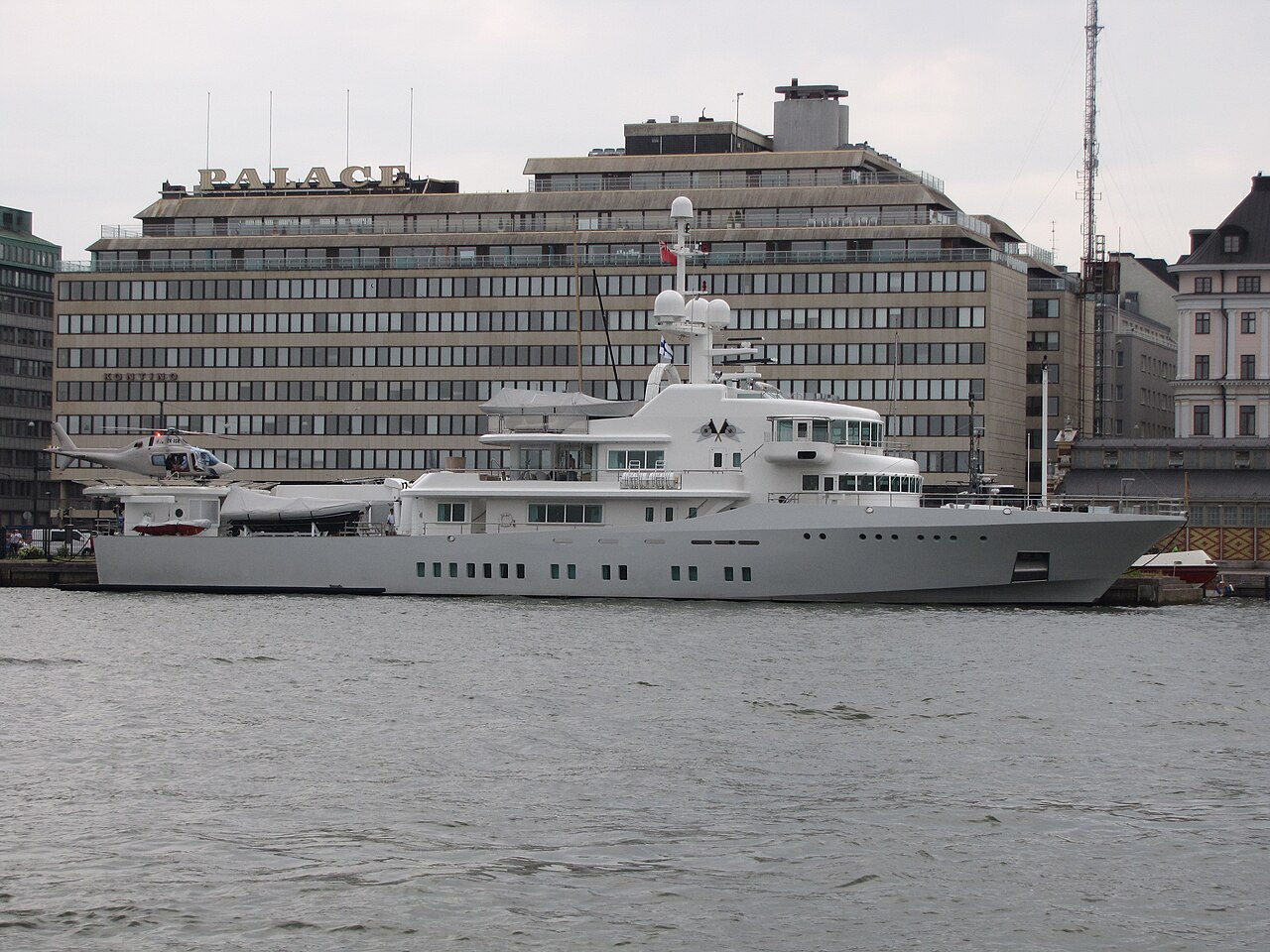
Monday's raid at Chichester Marina exposed a sophisticated smuggling operation far from the coast. Border Security Command Maritime officers, working with the National Crime Agency, stopped a yacht carrying seven Albanian migrants nearly five nautical miles inland. The arrests reveal how criminal networks are abandoning traditional Channel crossings in favor of luxury vessels to exploit Britain's extensive coastline.
The operation involved two crew members and three shore party members. Police arrested a 42-year-old British national and a 25-year-old Albanian national on suspicion of facilitating illegal immigration. Three other men—a 38-year-old British national, a 24-year-old Albanian national, and a 32-year-old Albanian national—face people smuggling charges.
Organized crime groups are exploiting an estimated 9,000 potential landing spots across UK waterways and coastlines. This vulnerability allows smugglers to bypass Border Force operations concentrated at major Channel ports, targeting smaller harbors and inland marinas instead.
The Chichester case follows a similar March conviction of Ukrainian nationals who operated a premium smuggling service aboard the yacht Uforia. Vladyslav Cherniavskyi and Oleksandr Yavtushenko conducted at least eight crossings from northern France to south coast marinas between August 2024 and July 2025, charging migrants up to €15,000 per trip. Both men received prison sentences in March for running what prosecutors called a "premium bespoke taxi service."
NCA data shows 4,400 disruptions to organized immigration crime in the year ending March 2026, a 46 percent increase from the previous year. Criminal networks use social media platforms like TikTok to recruit passengers, advertising yacht passages with messages such as "We're resuming the yacht to the UK this weekend" and "Safe passage through the checkpoints."
"Tackling organised immigration crime remains a top priority for the NCA," said Branch Commander Saju Sasikumar. "Working with our partners in Border Security Command Maritime, we are determined to do all we can to target, disrupt and dismantle the gangs involved in people smuggling."
Border Security Commander Maritime Charlie Eastaugh emphasized the profit motive driving these operations. "These smugglers were driven solely by profit, charging tens of thousands of pounds for a 'luxury' illegal journey to the UK which couldn't be further from reality," Eastaugh stated.
Former Border Force director general Tony Smith warned about the structural challenges. "It is more likely to be serious organised crime as opposed to opportunistic illegal migrants," Smith said. "These are people who have got money. This has always been a risk with the length of coastline we have."
These enforcement challenges are translating into direct political support for stricter immigration policies. Reform UK secured over 1,350 council seats and 14 councils in the May 7, 2026 local elections, campaigning on firm border controls. The party now polls above 25 percent nationally and proposes detaining up to 24,000 migrants within 18 months, with plans to locate detention centers in Green-voting areas.
Reform UK home affairs spokesperson Zia Yusuf defended the approach. "Given the Green Party advocate for open borders and for an infinite number of undocumented men to come here, we will prioritise Green constituencies and Green-controlled councils to locate these detention centres," Yusuf said.
This political shift mirrors broader European trends where voters demand stricter border controls. In Spain, 28 percent of respondents in a May 2026 Gad3 study identified illegal immigration as the main national security threat. Spain accounted for approximately one third of EU foreign-born population growth in 2025, adding 700,000 new foreign-born residents.
The UK government is responding with increased enforcement measures. A £662 million UK-France border cooperation agreement took effect in April, while Operation Kraken encourages coastal and riverside communities to report suspicious maritime activity. Warning signs have appeared in inland communities like Airmyn, Yorkshire, located 35 miles from the sea on the River Aire.
Government statistics show 44,000 detected arrivals via illegal entry routes in the year ending March 2026, with small boat arrivals accounting for 39,000 of those. More than 200,001 people have crossed the English Channel by small boat since 2018, with 24 confirmed Channel deaths in 2025 alone.
Despite record seizures and interceptions, the sheer scale of Britain's coastline and the profitability of smuggling operations mean organized crime will continue testing every weak point. The NCA seized more than 500 boats or engines in 2025 through international cooperation, yet premium pricing models offering €15,000 passages provide strong financial incentives for criminal adaptation.
Smuggling networks are upgrading their tactics from small boats to luxury yachts, and the 24 men who died attempting to cross the Channel in 2025 underscore the human cost of these criminal enterprises. As long as the financial rewards outweigh the risks, criminal syndicates will keep finding new ways to breach Britain's borders.