Starmer Defies Electoral Rout, Brands EU Ties Labour's 'Defining Mission'
Despite losing more than 1,400 council seats and facing calls for his resignation, Prime Minister Keir Starmer vows to stay in power and pursue closer EU ties as his defining mission.
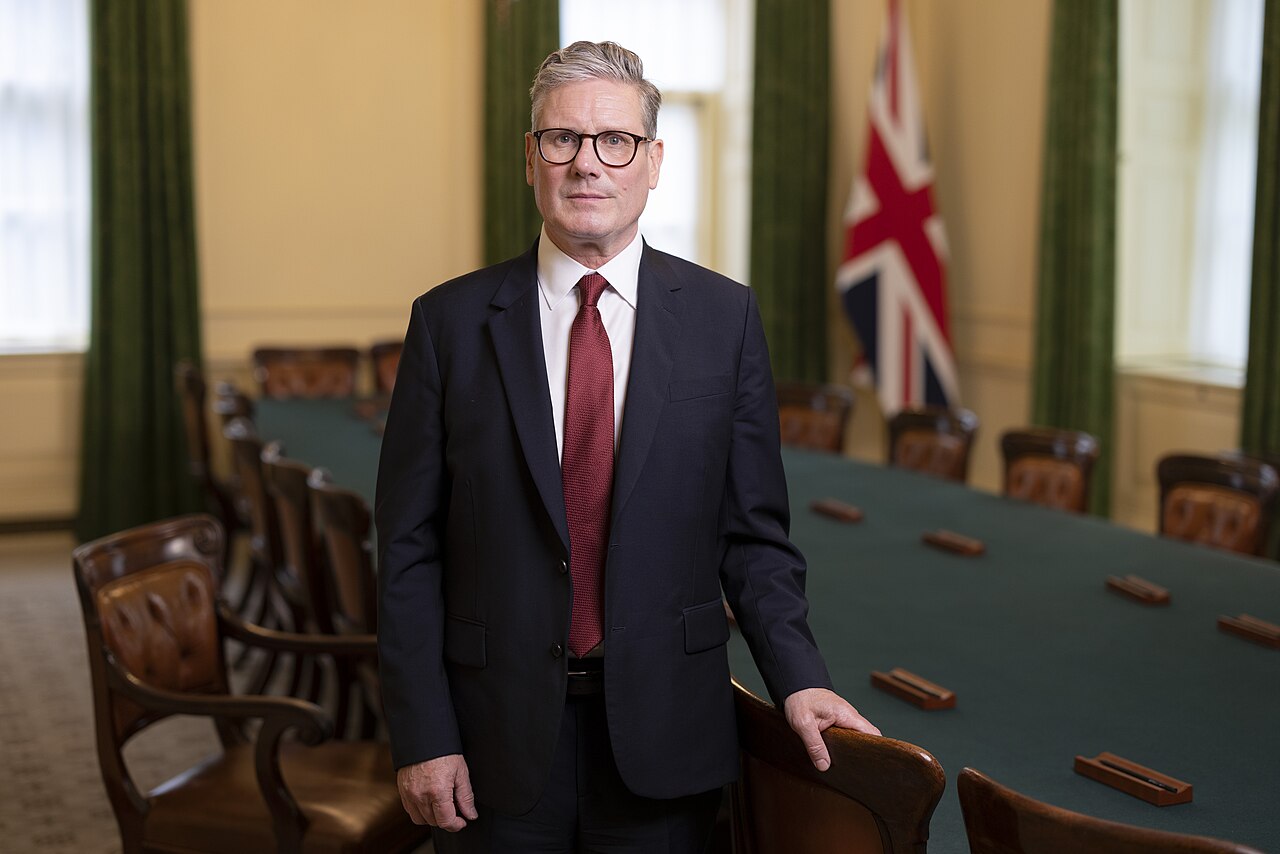
Prime Minister Keir Starmer refused to quit Monday. He will make rebuilding ties with Brussels his "defining mission," even as more than 1,400 Labour council seats slipped to opposition parties in an electoral rout. The Labour leader spoke defiantly at London's Coin Street Neighbourhood Centre, just four days after voters delivered a historic rebuke to his agenda.
The council results paint a starker picture still. Labour lost power in Wales for the first time in over a century and went backwards in Scotland. In England, Reform UK gained more than 1,450 seats, capturing control of councils including Sunderland, Havering, Essex county council, and Barnsley. The scale of the defeat marks the worst local election performance by a governing party in decades.
Starmer's commitment to deeper EU integration highlights a widening gap between Westminster leadership and a British public demanding national sovereignty and strict border control. The Prime Minister is pushing supranational governance while accepting Brussels oversight and reported £1 billion in annual payments to the European Union.
"This Labour government will be defined by rebuilding our relationship with Europe by putting Britain at the heart of Europe so that we are stronger on the economy, stronger on trade, stronger on defence, you name it," Starmer declared to supporters. He also announced legislation to nationalize British Steel in Scunthorpe and pledged an "ambitious youth experience scheme" to send young Britons to work and study in Europe.
Reform UK leader Nigel Farage called his party's victory "a truly historic shift in British politics." Farage argued that politics is no longer about traditional left-right divisions but about "people who value patriotic ideas, believe in this country, and want to see things turned around."
The electoral map shift underscores a clear democratic demand for the sovereignty and border control platform that propelled Reform UK's surge. The next general election must be held by May 2029, making these local results an unofficial referendum on Starmer's leadership that voters overwhelmingly rejected.
Starmer's EU reset deal, signed with European leaders in May 2025, extends EU fishing vessel access to British waters for 12 years, commits to exploring reassociation with the Erasmus student exchange program, and creates a new Security and Defence Partnership. The agreement requires dynamic alignment with EU rules on food standards and emissions trading, with European Court of Justice oversight for disputes.
"The 12-year deal on access for European boats will be the end of the fishing industry," Farage warned. Conservative leader Kemi Badenoch said Britain is "becoming a rule-taker from Brussels once again."
Inside Labour, the revolt has gone public. More than 80 Labour MPs called for Starmer's resignation by May 11, including frontbench members and veteran parliamentarians. Former Deputy Prime Minister Angela Rayner accused Starmer of "a toxic culture of cronyism" and warned that "what we are doing isn't working, and it needs to change."
Norwich South MP Clive Lewis stated bluntly: "The Prime Minister needs to go. That is not negotiable." Hartlepool MP Jonathan Brash added, "I don't think Keir Starmer should survive these results. We have to be bolder, and we have to go further. And quite frankly, we need new leadership."
Three senior Cabinet ministers, Home Secretary Shabana Mahmood, Foreign Secretary Yvette Cooper, and Justice Secretary David Lammy, reportedly urged Starmer to set a departure timeline. Four frontbench MPs resigned in protest. Bookmakers priced Starmer's resignation for 2026 at 1/4 odds, with July–September odds set at Evens.
The political crisis unfolds amid severe economic strain. Gilt yields briefly touched 5.11 percent in May, the highest level since 2008, while the UK faces a forecast £38.8 billion housing benefit bill for 2026-27.
Starmer's pledge of a youth mobility scheme with the EU runs counter to the voter desire for reduced immigration and economic independence. His policy approach intensifies public concerns about border control and national sovereignty, the very issues that fueled Reform UK's electoral success.
Reform UK MP Richard Tice directly addressed fears from minority community advocates about his party's gains. "If they were fearful, why would they be voting for us?" Tice asked, positioning Reform UK as the party of community safety and national independence.
The election results reveal Britain entering a new political era. Voters are increasingly rejecting the "big state" consensus in favor of national sovereignty. Starmer's refusal to step back or address the sovereignty mandate reflects an establishment clinging to the EU project against the current of democratic will.
"The election results last week were tough. Very tough. We lost some brilliant labour representatives," Starmer acknowledged in his speech. "I get it. I feel it. And I take responsibility." Yet he vowed to remain in power, stating, "I take responsibility for not walking away, not plunging our country into chaos."
Britain's political trajectory now shows a clear divergence. A leadership committed to European integration faces an electorate demanding control over borders, laws, and national destiny. Starmer's decision to brand deeper EU ties as his government's "defining mission" runs directly counter to the democratic mandate delivered on May 7.