Conservative Divisions Open Path for Socialist Burnham in Makerfield
Voters in post-industrial Makerfield head to polls in a by-election that could install socialist mayor Andy Burnham in Parliament and ignite a leadership challenge to Prime Minister Keir Starmer.
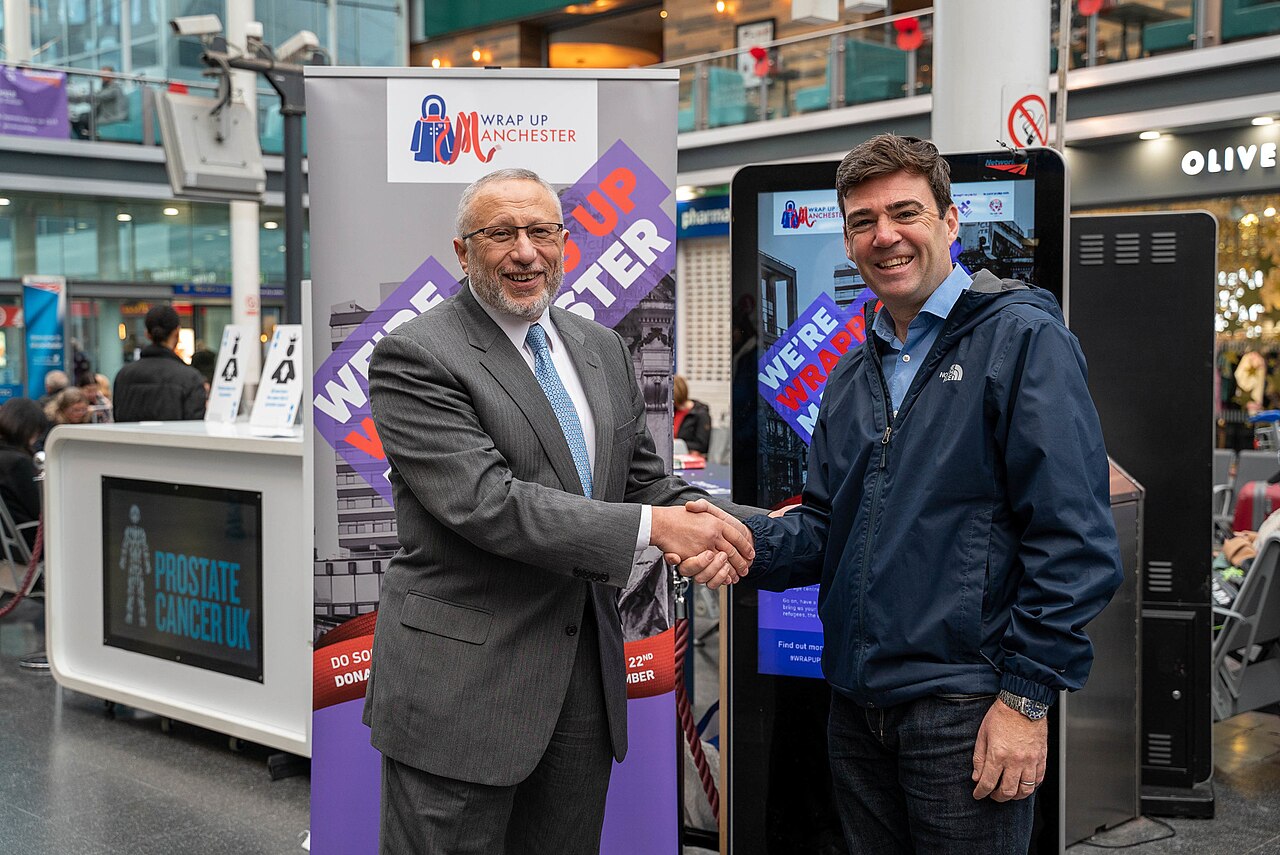
Voters in the post-industrial constituency of Makerfield head to the polls today in a by-election that could install socialist mayor Andy Burnham in Westminster and ignite a direct challenge to Prime Minister Keir Starmer's leadership. The contest reveals Britain's fractured political landscape, where conservative disunity threatens to hand a parliamentary seat to a candidate advocating massive state expansion.
Labour engineered this by-election to return Burnham to Parliament after MP Josh Simons resigned his seat on May 14. The party's National Executive Committee authorized Burnham's candidacy on May 15, bypassing local selection processes entirely. That top-down maneuver clears a path for the Greater Manchester mayor to challenge Starmer from within the parliamentary Labour Party.
Polling shows Burnham leading Reform UK's Robert Kenyon by narrow margins within statistical error. The latest Convergent poll gives Burnham 49 percent to Kenyon's 37 percent, with Restore Britain candidate Rebecca Shepherd at 5 percent. James Crouch of Opinium notes Labour's five-point lead is smaller than Restore Britain's current vote share, suggesting a divided anti-Labour vote may deliver victory.
Reform UK board member Gawain Towler acknowledges Burnham's personal appeal. "Burnham 'does change the weather,'" Towler told Times Radio. "It will be a 'very, very hard task' beating him."
Burnham's economic agenda represents a significant expansion of state power. He plans to borrow approximately £40 billion for social housing and public transport, nationalize utilities like Thames Water, impose wealth taxes and enforce rent controls. His platform marks a sharp leftward shift from Starmer's centrist positioning.
Starmer faces unprecedented internal pressure. Ninety-seven Labour MPs have called for his resignation since May 14. Ipsos polling shows Starmer as the most unpopular prime minister since the late 1970s, with a net favorability rating of minus 38. Burnham's own rating stands at minus 7 nationally but reaches plus 7 within Makerfield.
The constituency presents a political paradox. In May's local elections, Reform UK swept all eight Makerfield wards with 49.8 percent of the vote to Labour's 26.9 percent. Yet this traditionally Labour seat, which voted 65 percent for Brexit in 2016, appears poised to return a socialist mayor promising expanded government intervention.
National polling reveals the broader conservative fragmentation. A YouGov survey from June 14-15 shows Reform UK leading with 24 percent, while Labour and Conservatives tie at 19 percent each. The Greens stand at 15 percent and Restore Britain at 4 percent. This splintering of right-leaning voters creates openings for socialist gains across Britain.
Burnham declared "change is coming" at an eve-of-poll rally attended by actor Hugh Grant. "The question tonight is what kind of change," he told supporters. Starmer attempted to offer Burnham a Cabinet position to forestall a leadership challenge, but Burnham's team dismissed the overture.
If elected, Burnham must resign as Greater Manchester mayor, triggering a separate mayoral by-election expected by Aug. 6. He would then need support from 81 Labour MPs to force a leadership contest against Starmer, who would automatically appear on the ballot as incumbent.
The Makerfield contest marks the first by-election since 1965 specifically triggered to create a vacancy for a figure not currently in Parliament. Families in this working-class town will decide whether Britain's political center continues drifting leftward or whether conservative forces can overcome internal divisions to present a united front against socialist expansion.