DOJ Election Fraud Probes Draw Skepticism Amid California Vote Delays
Justice Department announces multiple California election fraud investigations following Trump's claims, but officials and experts question the timing and substance behind the probes as millions of ballots remain uncounted.
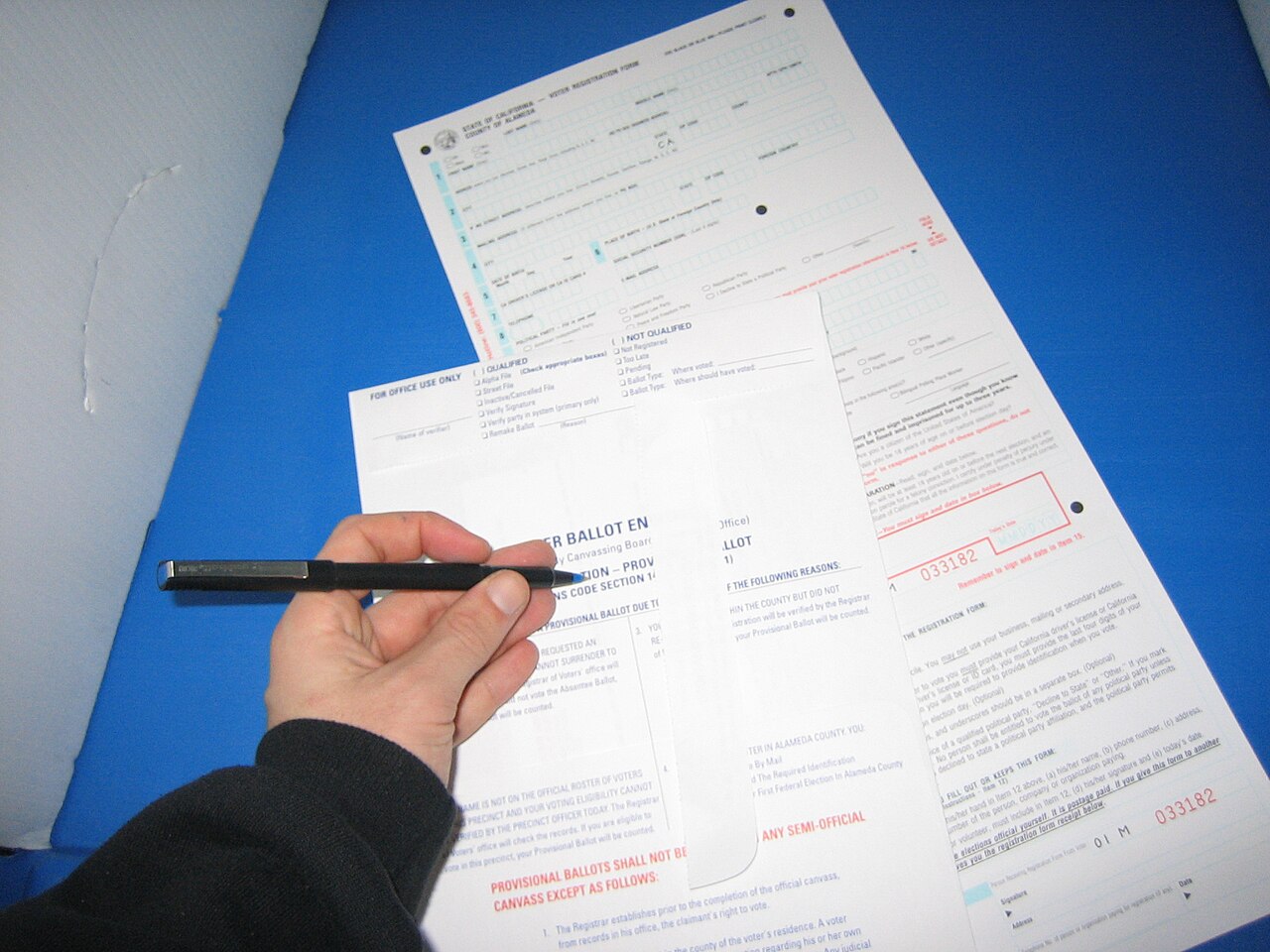
First Assistant U.S. Attorney Bill Essayli posted on social media Friday that his office has "multiple election fraud investigations underway" in California. The announcement arrived with no specific allegations, no named targets and no evidence. Only one action backed the claim: Assistant U.S. Attorney Robert Renner visited LA County's ballot processing center, which officials confirmed fell under the routine public observation program available to candidates, parties and government agencies.
The timing struck many observers as political theater. Trump posted on Truth Social about "BIG cheating by the Dumocrats in California" roughly 24 hours before Essayli's announcement. Over June 3 and 4, Trump told reporters in the Oval Office that "they're rigging the election" and declared the DOJ was investigating. The posts landed as 3.6 million California ballots from the June 2 primary remained uncounted.
FBI Los Angeles spokesperson Laura Eimiller stated the bureau "does not confirm or deny the existence of investigations as a rule." The LA County District Attorney's Office told CNN it had "not received any complaints from the federal government regarding criminal misconduct related to vote-counting or fraud." No subpoenas or warrants have been served.
Justin Levitt, an election law professor at Loyola Law School, called Essayli's announcement "noise" aimed at "an audience of one" — Trump. He noted that announcing investigations without prior public awareness of wrongdoing defies normal prosecutorial practice. "You can't offer specifics," Levitt said. "You don't have anything to go on, and the very fact that you're investigating is ominous." He concluded the prosecutor "has already achieved everything he set out to achieve, which is performing a little dance for the president."
This follows a pattern of DOJ legal battles over election integrity. The department sued California in September 2025 seeking access to unredacted voter rolls. U.S. District Judge David Carter dismissed the lawsuit in January, calling the demand "unprecedented and illegal." The DOJ has lost in every federal district court that has ruled on similar lawsuits against roughly 30 states. The Ninth Circuit Court of Appeals heard arguments on the case May 19.
Essayli cited just one conviction as evidence: Brenda Lee Brown Armstrong's guilty plea. The 64-year-old Marina del Rey resident agreed May 18 to plead guilty to paying homeless individuals on Skid Row $2 to $3 to register to vote using her address. Armstrong faces up to 5 years in prison for a 20-year petition-circulation scheme. Essayli pointed to this single case as justification for "multiple" investigations across the state.
California officials dismissed both Trump's allegations and the DOJ announcement. Gov. Gavin Newsom called Trump's claims "lying about California again." Attorney General Rob Bonta labeled them a "figment of the imagination." Secretary of State Shirley Weber responded to the cheating allegations by stating "Accuracy comes before speed."
Brandon Richards, a spokesperson for Newsom, questioned the prosecutor's conduct: "Credible prosecutors don't comment on ongoing investigations, including whether an investigation exists at all — we're not surprised the First Assistant doesn't operate similarly."
The slow ballot count created space for these claims to take root. California law gives counties 30 days to certify results; Newsom signed a bill last year reducing that window to 13 days. LA County alone had 713,180 outstanding ballots as of June 4. The signature cure deadline falls June 24. Kim Alexander, president of the California Voter Foundation, noted that slow counts "create a window of opportunity for people to make these claims." Rick Hasen of UCLA added that Democrats held onto ballots unusually late.
Essayli occupies his position through a legal loophole that bypassed Senate confirmation. The California State Assembly's Elections Committee previously removed him after he advocated for voter ID requirements. He announced coordination with Harmeet Dhillon, head of the DOJ Civil Rights Division, on a "comprehensive audit of California's voter rolls" — the same lawsuit judges have rejected as "unprecedented and illegal."
Essayli wrote: "Every legal vote deserves to be counted. Every illegal vote cancels one out." Voters in California are left wondering whether those words reflect a genuine commitment to election integrity or simply serve as a backdrop for political messaging.