DOJ Sues New York Officials Over Alleged $10 Billion Medicaid Fraud Scheme
The Justice Department accused New York officials of orchestrating a sham bidding process that handed a $10 billion Medicaid home-care contract to a favored contractor while millions were siphoned from programs serving 250,000 disabled New Yorkers.
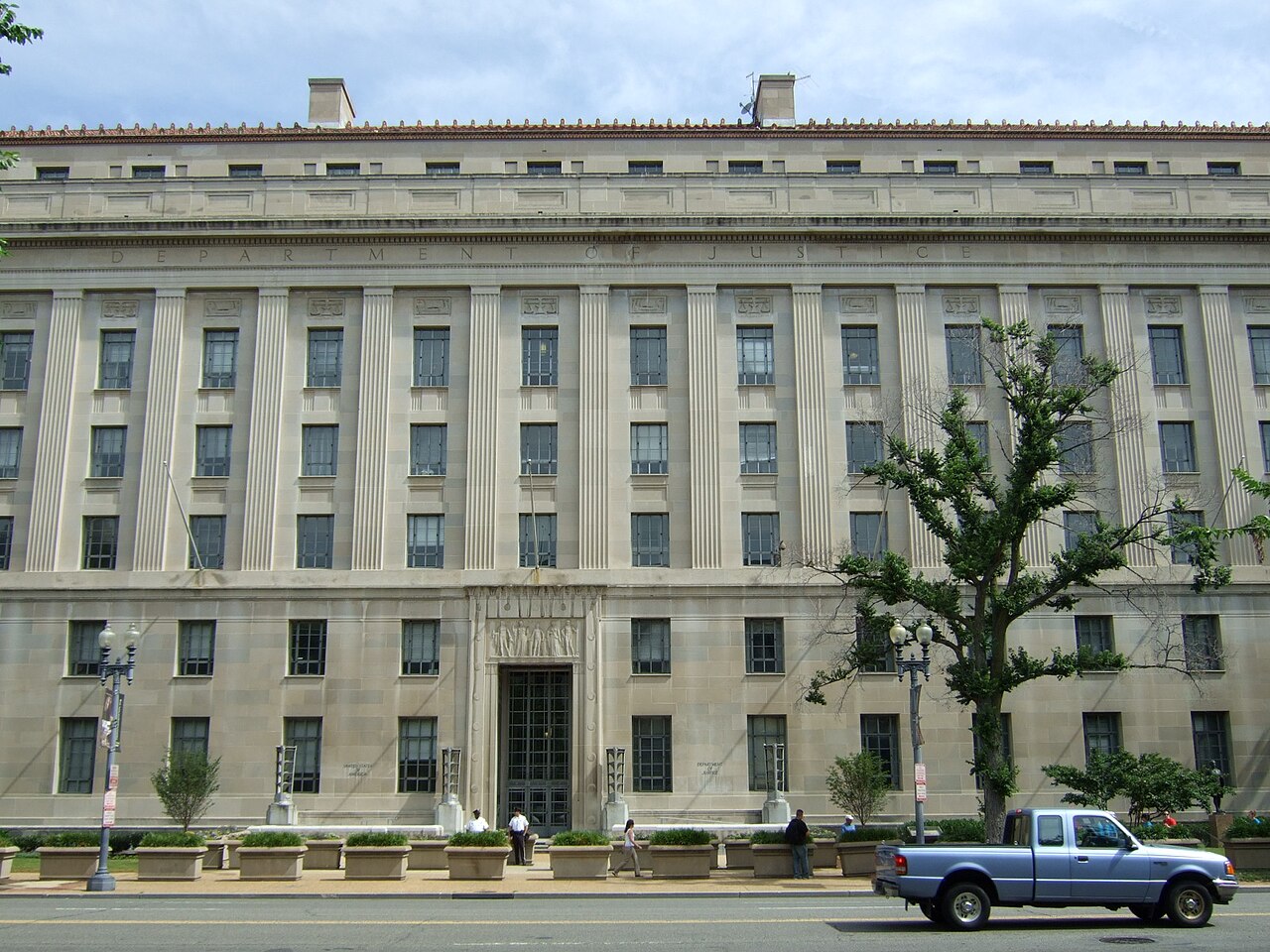
For 250,000 disabled New Yorkers who depend on Medicaid home care, the system that sustains them collapsed. Caregivers went months without paychecks. Patients lost their chosen caregivers or were separated from family members who cared for them. The Justice Department alleges this chaos stemmed from a deliberate scheme by state officials who funneled a $10 billion home-care contract to a favored Georgia company, then allowed the firm to siphon millions in unauthorized profits from taxpayer-funded health programs.
Federal prosecutors filed the lawsuit June 16 in U.S. District Court for the Eastern District of New York against the New York Department of Health, Medicaid Director Amir Bassiri, and Public Partnerships LLC. The Justice Department seeks a permanent injunction to stop further misrepresentations, a freeze on PPL funds beyond the contracted $68.50 per-member, per-month rate, and possible appointment of a receiver. The Consumer Directed Personal Assistance Program serves more than 250,000 patients and 300,000 caregivers as part of New York's $115.6 billion Medicaid system.
The DOJ alleges PPL planned from the outset to generate revenue beyond its fixed payment through what court documents call an "hourly rate game." The company would take a small percentage of each hour of care billed to taxpayers. Because CDPAP bills approximately 350 million hours of care per year, "even taking a few cents per hour as revenue would mean tens of millions of dollars in ill-gotten gains," the complaint states. An internal PPL email cited in court documents declares, "I think this hourly rate game is going to become our hobby."
The bidding process was a formality rather than genuine competition. PPL lobbied to become the sole fiscal intermediary during March and April 2024. A draft bill from April 2024 would have enshrined PPL as the state's sole fiscal intermediary by law, but the legislature rejected that language and mandated competitive procurement. Despite the legislative rebuke, Bassiri emailed a state government contact in Ohio on March 26, 2024, asking for insights on using PPL for the transition. DOH and PPL engaged in detailed pre-bid operational and cost discussions, with PPL sending its formal implementation plan and assuring Bassiri the information was "highly confidential."
PPL submitted a bid of $68.50 PMPM on August 21, 2024, the lowest by far, despite having previously proposed $99 PMPM in those pre-bid discussions. Bassiri scored PPL's bid as "excellent" or "very good" on all key metrics for staffing, software, and financial readiness. Meanwhile, DOH disqualified 132 competing bids by September 17, 2024, after starting to score PPL's bid weeks earlier.
The complaint alleges PPL's bid contained material misrepresentations about its readiness. The company promised approximately 1,000 qualified administrative professionals but planned to rely on call center temp workers from third-party agencies. It touted its in-house platform "PPL@Home" as complete, but the software did not exist at the time of bid submission. The platform was built from scratch beginning in September 2024 and proved "rife with glitches and breakdowns." PPL's cash reserves were only $8.4 million and would require substantial private equity financing to launch.
The transition timeline tripled from the contractually prescribed three months because both DOH and PPL knew internally before signing that completion by the April 1, 2025, deadline would not occur. PPL and DOH "peddled falsehoods" about the transition timeline, cost savings, and operational status, according to the complaint.
The human toll mounted quickly. Caregivers worked without paychecks or abandoned existing livelihoods after going unpaid. Many patients lost their ability to receive care from caregivers of their choosing or were "shunted into nursing homes or separated from their family caregivers," the DOJ states. PPL's president resigned during the transition in July 2025. Multiple court extensions followed a class action settlement, and a restraining order added further setbacks in September 2025.
"New York's backroom deal with PPL has cost taxpayers millions of dollars and cast countless Medicaid patients to the curb," said Assistant Attorney General Colin M. McDonald of the DOJ's National Fraud Enforcement Division.
"One of the Justice Department's key priorities is protecting the public fisc and delivering savings to American taxpayers," added Assistant Attorney General Brett A. Shumate of the DOJ Civil Division. "New York's failure to police a favored vendor that unlawfully siphoned millions of dollars of Medicaid funding is egregious and betrays the public trust."
The lawsuit follows a broader Trump administration crackdown on Medicaid fraud across multiple states. In January 2026, the administration announced its Division for National Fraud Enforcement, and in February 2026, it announced a major healthcare fraud crackdown. CMS deferred $259.5 million in Minnesota Medicaid funding over fraud concerns. Dr. Mehmet Oz, CMS administrator, ordered all 50 states to submit provider revalidation plans within 30 days and named Minnesota, California, Florida, New York, and Maine as initial targets. Vice President JD Vance leads the anti-fraud task force.
In April, the Trump administration acknowledged a significant error in figures used to justify the New York Medicaid fraud probe. Dr. Oz claimed 5 million New Yorkers received personal care services, while the real number was approximately 450,000. CMS called it a misidentification of New York's billing code approach. The error does not undermine the specific allegations in the June 16 lawsuit, which are based on the detailed complaint against PPL and the named defendants.
The New York Department of Health called the lawsuit "baseless . . . inexcusable and completely lacking in merit." Senior Public Information Officer Cadence Acquaviva claimed it was a political attack. "This baseless complaint is the latest attempt by Washington Republicans to score political points at the expense of vulnerable New Yorkers," she said.
Gov. Kathy Hochul's office called it "another sad attempt by the Trump administration to weaponize the justice system to attack political opponents in an election year." Hochul told a reporter she was "not involved in the selection process." PPL stated it "strongly disagrees" and will "respond fully through the appropriate legal process."
State Republicans welcomed the federal intervention. "New York's Medicaid program suffers from systemic mismanagement and a lack of accountability," said Senate Republican Leader Rob Ortt. "While Medicaid spending has nearly doubled in seven years, the program remains rife with fraud, waste, and abuse."
Assemblyman Chris Tague called for an investigation by the New York State Attorney General, calling it "a grave breach of public trust." Rep. Mike Lawler called the lawsuit "a damning indictment of the cronyism and incompetence" of the Hochul administration.
Vice President JD Vance commented at a Long Island campaign event: "You do not want your government facilitating fraud; you want your government fighting against fraud."
CDPAP spending grew from approximately $2.5 billion in 2019 to $9.1 billion in 2023 and approximately $11-12 billion in 2025. New York spends $4,800 per resident on Medicaid in 2023, 82 percent higher than the national average, the highest per-capita spending of any state. The Justice Department's action demonstrates federal enforcement mechanisms activating against what it alleges is systematic contractor capture and regulatory failure in one of the nation's largest Medicaid programs. The case remains pending in federal court, and for the caregivers and disabled New Yorkers caught in the middle, the wait for answers continues.