FBI Agents Question Homeless Voters in Skid Row Fraud Probe
Federal investigators descended on Los Angeles' Skid Row to question homeless residents about allegations they were paid to register and vote, exposing vulnerabilities in California's election system and intensifying the state-federal conflict over election integrity.
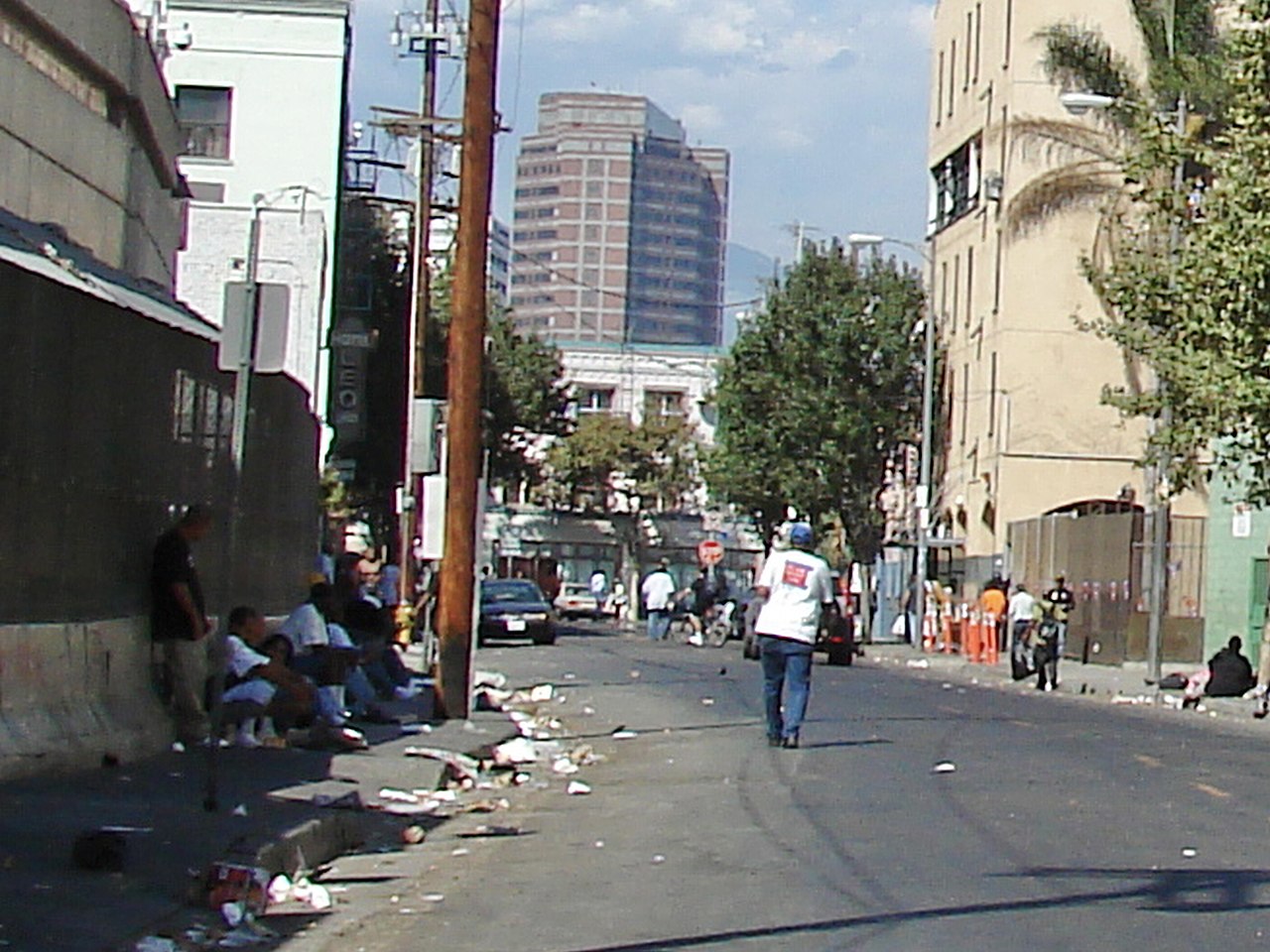
Plainclothes FBI agents moved through Los Angeles' Skid Row on June 18, questioning up to 50 homeless residents over allegations they were paid $2 to $5 to register to vote and cast ballots for Democratic candidates. The operation exposes systemic vulnerabilities in California's election system and underscores the widening federal-state conflict over election integrity.
Around 20 FBI and Homeland Security Investigations agents arrived in downtown Los Angeles Thursday morning. They conducted interviews about claims residents were compensated to vote for Mayor Karen Bass and Councilwoman Nithya Raman. FBI Director Kash Patel posted on X: "Securing our elections is of the upmost priority for this FBI! If you mess with our elections we will find you!"
The Department of Justice confirmed federal agents were investigating a criminal matter. The timing reveals a federal government increasingly unwilling to accept state election practices without scrutiny.
The Skid Row probe follows a confirmed case of election fraud. Brenda Lee Brown Armstrong, 64, pleaded guilty June 8 to paying homeless people $2 to $3 to register to vote. The Marina del Rey woman provided her own former address on registration forms for homeless individuals who lacked one.
Assistant Attorney General Harmeet K. Dhillon stated: "False registrations undermine Americans' faith in elections — even more so when payoffs are involved." Her words echo through a system where the homeless, already vulnerable, became instruments of alleged fraud.
First Assistant U.S. Attorney Bill Essayli has confirmed multiple fraud investigations and described California's policies as creating a "fraudsters' paradise." The state's refusal to cooperate with federal oversight reveals institutional resistance to accountability. That resistance includes a dismissed DOJ lawsuit demanding voter rolls and an ongoing 9th Circuit appeal.
Essayli told Glenn Beck on June 9 that California has "basically what I will call decriminalized voter fraud" by removing safeguards. "California is a fraudsters' paradise, make no mistake about that, whether it's hospice fraud, healthcare fraud, or election fraud," Essayli said.
A New York Post analysis found more than 7,600 voters tied to homeless shelters and social service entities. The Midnight Mission in Skid Row shows 1,160 registrations despite capacity for only 120 beds. The St. Joseph Center in Venice lists 185 registered voters but offers no accommodations.
That center received $600,000 in taxpayer-funded grants awarded by Councilwoman Nithya Raman while she chaired the City Council's Housing and Homelessness Committee. Raman's campaign and the center did not respond to inquiries.
The LA City Council voted June 17 to advance a proposal allowing noncitizens to vote in city and school board elections. The vote came one day before FBI agents descended on Skid Row. Democrat Socialists of America-backed Councilman Hugo Soto-Martínez introduced the measure.
Raman advanced to the mayoral runoff after a 43,000-vote mail-in ballot surge over Republican Spencer Pratt. Pratt posted a photo of agents on Skid Row stating: "We are cleaning up LA whether you like it or not."
California officials refuse to cooperate with federal investigations. Essayli told The National News Desk on June 16: "They are not cooperating anywhere at the level that is needed for this moment, and they refuse to admit that they bear any responsibility for this fraud occurring."
Secretary of State Shirley Weber responded: "Accuracy comes before speed. California has built a strong system that expands access, empowers voters, and ensures more Californians can fully participate in our democracy."
Governor Gavin Newsom dismissed fraud claims on X: "Trump is lying about California again — time to take the phone away from grandpa and put him to sleep." His administration has rebuffed federal demands for voter roll audits and data sharing, citing privacy concerns.
The DOJ sued California in September 2025 demanding complete, unredacted voter registration lists. A federal judge dismissed the lawsuit in January 2026, and the DOJ appealed to the 9th Circuit Court of Appeals.
The Supreme Court's pending Watson v. RNC ruling could fundamentally alter California's election system by striking down its 7-day post-Election Day ballot acceptance grace period. A decision is expected by late June or early July. Until then, California's system remains wide open, and state officials continue to block federal verification efforts.
Election law attorney Garrett Fahy noted: "This is the system that our representatives have given to us. If you don't like our system, don't yell at your local elections official."
Kevin Shepherd, a Skid Row resident who claimed he received $4 to vote for Bass, told interviewers: "They gave you an optional choice." For residents surviving on the streets, even a few dollars can feel like a lifeline — a detail that raises uncomfortable questions about who truly holds power in such transactions.
The DOJ's appeal of the voter rolls lawsuit remains pending in the 9th Circuit. Federal investigators continue examining whether Armstrong's scheme resulted in fraudulent ballots cast under homeless individuals' names. California automatically sends mail ballots to every registered voter, meaning ballots in some homeless individuals' names could have been sent to Armstrong's former residence.
Essayli expects investigations to result in criminal charges within a couple of months. The Armstrong case carries a maximum penalty of five years in federal prison, with sentencing scheduled for August 31. Federal prosecutors have not disclosed the number of additional active investigations or specific targets beyond the Skid Row operation.
For the people of Skid Row, caught between poverty and a political system that treats their names as currency, the investigation offers no immediate relief. Their stories underscore what is at stake when election integrity becomes a battleground between federal oversight and state autonomy.