Hampshire Police Diversity Training Made Officers Feel 'Controlled' Before Henry Nowak Case
Hampshire Police spent £861,737 on mandatory diversity training that left one in seven officers feeling controlled, just months before officers dismissed an 18-year-old stabbing victim's pleas for help.
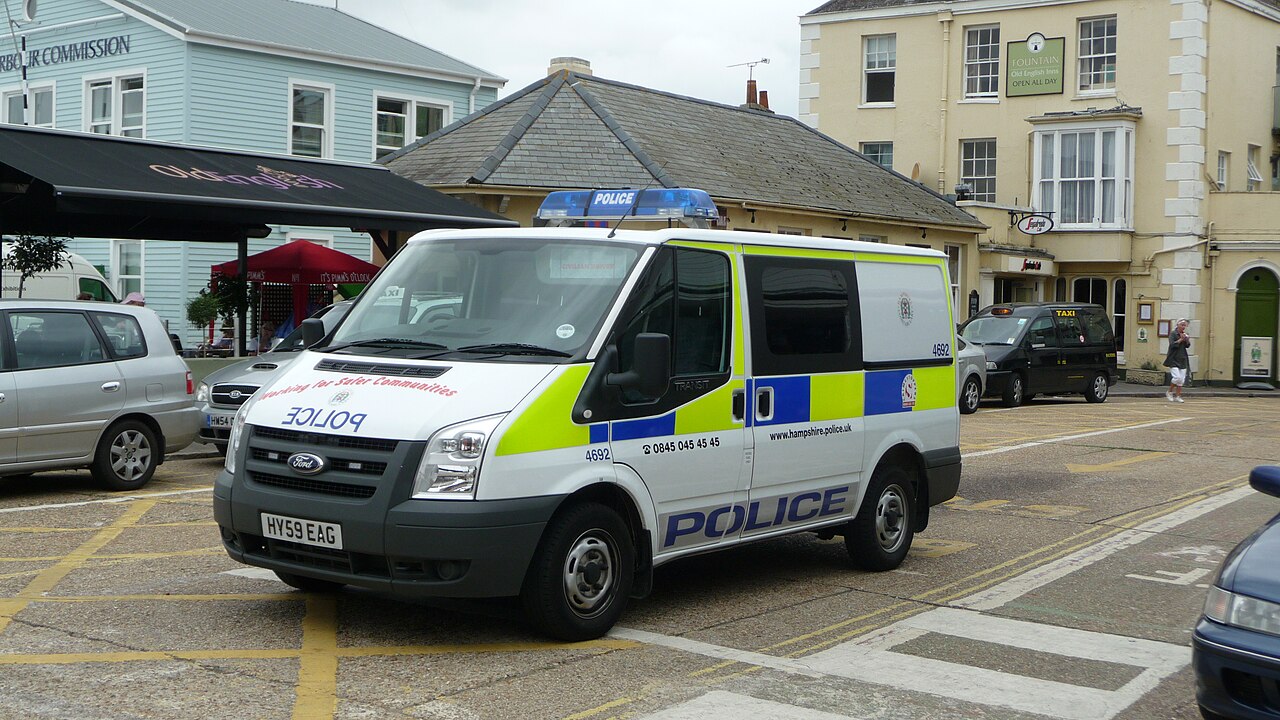
Hampshire Police spent £861,737 on mandatory diversity training that left one in seven officers feeling "controlled and pressured." The programme ran for three years across the same force where officers recently ignored an 18-year-old student's repeated pleas for help as he bled to death.
Over that period, the force required 6,250 officers and staff to complete the "Inclusion Matters" training at £144 per employee. A University of Reading evaluation commissioned by Hampshire Police found 15.5 percent of participants felt "controlled and pressured to be certain ways." Another 14.3 percent feared mistakes would be held against them. Nearly 20 percent said they would face rejection for saying the wrong thing.
The programme's own creator warned it would likely backfire. Professor Netta Weinstein, who helped design the course, told the force that mandatory diversity training often produces the opposite of its intended effect. "Where we see the least success is when EDI training is introduced as a reaction to a negative incident," Weinstein stated. "When personal failings are highlighted, attendees can feel criticised or punished. This kind of training can backfire, resulting in reinforcing bias or counterproductive behaviours."
Hampshire Police launched the programme in 2021 after six officers were convicted of racist behaviour during the SOCU scandal. Five were dismissed without notice. The force chose a reactive training model that its evaluator cautioned would fail to address the underlying problems.
That training framework faced its starkest test on Dec. 3, 2025. Henry Nowak, 18, lay dying after Vickrum Digwa, 23, stabbed him and falsely claimed Nowak had racially abused him. Bodycam footage captured officers arriving at the scene and taking Digwa's claim seriously. They handcuffed Nowak as he gasped "I've been stabbed" and "I can't breathe" seven times. An officer replied, "I don't think you have, mate."
Judge William Mousley later ruled Digwa's racism claim was "completely at odds" with Nowak's character. Digwa received life imprisonment with a minimum 21-year term. The Independent Office for Police Conduct treated the responding officers as witnesses rather than subjects of a misconduct investigation. The watchdog found "no indication a disciplinary or criminal offence was committed" while maintaining the investigation remains under review. One officer resigned. Three remain on duty.
Shadow Home Secretary Chris Philp called for a full misconduct investigation into the incident. "The police simply treat all groups the same," Philp stated. "The nonsense in critical race theory and so-called anti-racist ideology is divisive, itself racist and in a policing context actually dangerous to the public."
Police Minister Sarah Jones called the National Police Chiefs' Council's Anti-Racism Commitment "clumsy" and "wrong." That guidance explicitly states racial equity "does not mean treating everyone 'the same' or being 'colour blind'." The language instructs officers to treat people differently based on race. Downing Street confirmed the NPCC is reviewing the document.
The controversy extends beyond Hampshire. Thames Valley Police lost a race discrimination tribunal over its DEI programme. Independent reviewer Kerrin Wilson found the training created a "divided workforce." The NPCC's Race Action Plan budget shrank from £1.3 million to £387,000 following public scrutiny.
Police and Crime Commissioner Donna Jones asked His Majesty's Inspectorate of Constabulary to conduct an urgent inspection of Hampshire Police's "culture and performance of the control room." A coroner's jury inquest examining whether police conduct contributed to Nowak's death is scheduled for September 2027.
Protests erupted in Southampton on June 2. Eleven officers suffered injuries. Two arrests were made. The controversy drew national attention to how ideological training affects policing effectiveness.
Former Home Secretary Jack Straw acknowledged the problem of overcorrection in police race relations. "Sometimes you get reactions which go too far the other way," Straw stated. "That's obviously happened here."
David Spencer, head of Crime and Justice at Policy Exchange and a former Met detective, argued the Race Action Plan should be "expunged from policing once and for all." "These plans are seeking to force the police to take into account all of society's ills," Spencer stated. "That is not the role of the police."
Nowak's family waits for the inquest scheduled more than a year from now. The questions about what happened on that December night extend beyond one tragic incident. Officers who feel pressured to conform to specific ideological viewpoints may hesitate to exercise professional judgment when lives hang in the balance. Henry Nowak's friends remember him as an 18-year-old who deserved better.