High Court Clears Path for Mass Deportations
The Supreme Court removed judicial barriers to immigration enforcement in a series of rulings this week, granting the Trump administration authority to accelerate deportations and end protections for hundreds of thousands of immigrants.
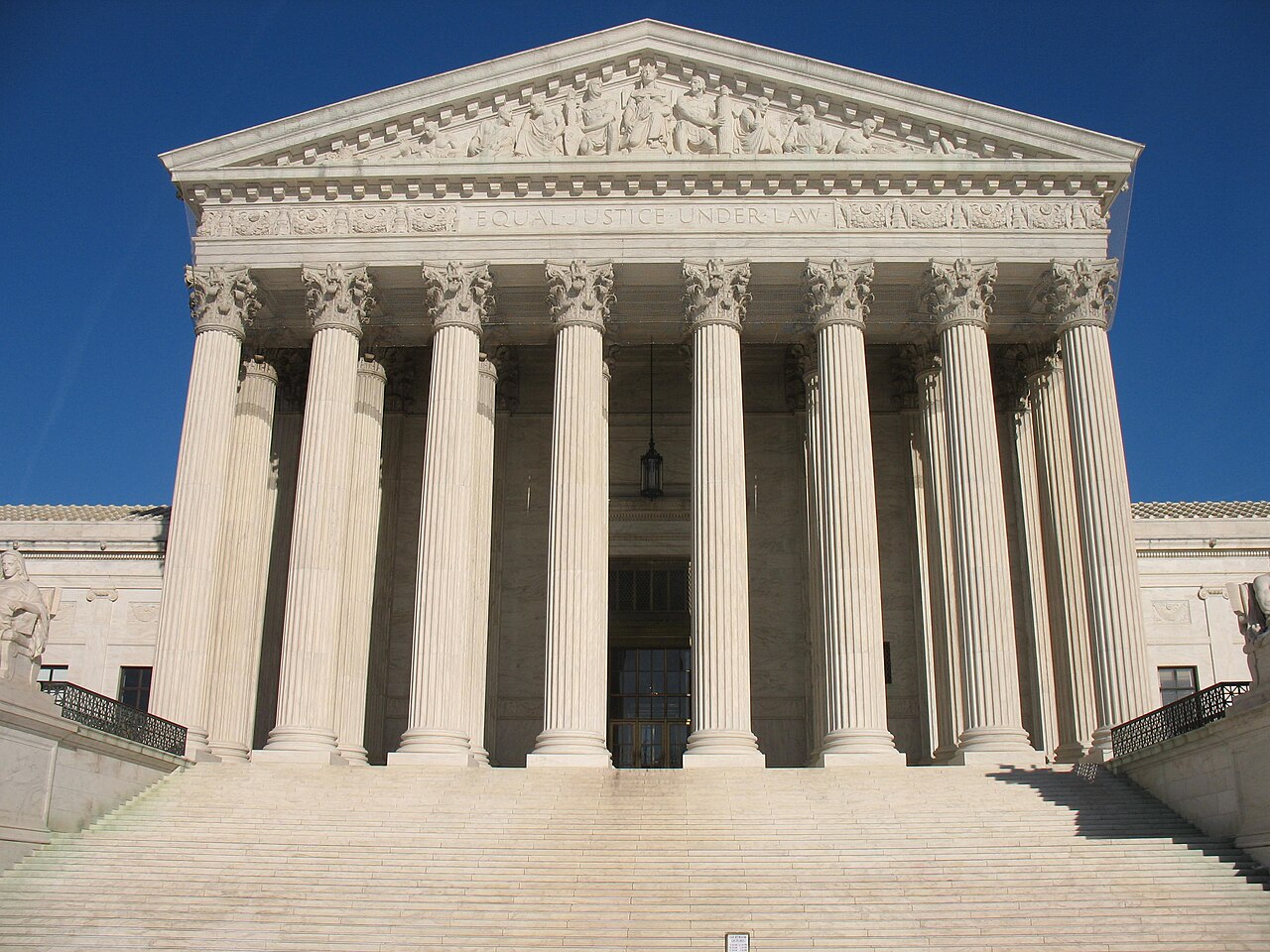
The Supreme Court handed the Trump administration sweeping authority to accelerate deportations across the United States, dismantling years of judicial barriers to immigration enforcement. In a series of rulings ending June 25, the Court cleared the way for the executive branch to terminate Temporary Protected Status for Haitians and Syrians, remove protections for green card holders at the border, and expand expedited removal nationwide.
The decisions mark a significant shift in U.S. immigration law. They strip federal judges of their ability to block enforcement actions and return unimpeded authority to the Department of Homeland Security.
Justice Samuel Alito's majority opinion in Mullin v. Doe established the foundation. He stated the TPS statute "plainly bars consideration of respondents' non-constitutional claims" and allows "no judicial review of any determination … with respect to the … termination" of temporary protected status.
This decisive 6-3 ruling directly enables the removal of approximately 350,000 Haitians and 6,000 Syrians who benefited from humanitarian protections. The Court rejected claims that terminating Haitian TPS was racially motivated. Alito determined that Trump administration statements expressed "policy views that could rest on race-neutral justifications."
White House Spokeswoman Abigail Jackson celebrated the ruling as vindication of administration policy. "This is a tremendous win for the Trump Administration," Jackson said. "Today, the Supreme Court affirmed what President Trump has always maintained: temporary protected status is, by definition, temporary."
The Court's approach stands apart from the Biden administration's reliance on federal injunctions and administrative delays to stall deportations. Where previous administrations deferred to judicial oversight, the current Court's strict textualist interpretation enforces statutory limits on judicial review as Congress wrote them.
At the same time, the D.C. Circuit Court of Appeals upheld the administration's expansion of expedited removal authority nationwide. Judge Justin Walker's 2-1 ruling endorsed the Trump administration's elimination of the 100-mile border zone restriction that had limited enforcement for decades. "For many years, while some were designated, others were not," Walker wrote. "But that changed in January 2025 when the executive expanded expedited removal to the maximum extent allowed by Congress."
The ruling empowers Immigration and Customs Enforcement agents to deport illegal immigrants found anywhere in the interior United States within days, bypassing immigration judges entirely. DHS General Counsel James Percival praised the decision. "For years, DHS has arbitrarily limited expedited removal to 14 days even though it applies to illegal aliens who entered the country illegally within the last two years," Percival said. "Today, the D.C. Circuit vindicated our decision to apply the law as written."
The Supreme Court further bolstered enforcement powers in Blanche v. Lau. The 6-3 decision lowered the evidentiary threshold required to place green card holders on immigration parole when facing criminal activity. Justice Clarence Thomas's majority opinion established that border agents need only a suspicion of criminal activity, not "clear and convincing evidence," to place lawful permanent residents on immigration parole or treat them as seeking admission.
Border officers must make "quick judgments on the spot," Thomas wrote. He declined to "read into the INA an additional clear-and-convincing-evidence burden on border officers" when no such burden exists in the statute. The majority held that suspicion of a crime, not clear and convincing evidence, is sufficient to place a green card holder on immigration parole pending criminal charges.
These legal victories translate directly into operational capacity. The Trump administration has already arrested more than 900,000 illegal immigrants through May 17, 2026, according to DHS statistics. Deportation flights have surged from 100-200 monthly during the final year of the Biden administration to 200-300 monthly under current enforcement.
DHS Secretary Markwayne Mullin outlined the practical implications for affected individuals. "The status itself can be ended," Mullin said in a June 28 CNN interview. "Either try to fill out the paperwork and be here under permanent status or we'll help you get back to your home country."
Percival summarized the combined impact of the three major rulings. "These three rulings are all victories for the rule of law and common sense," he said. "Thanks to these decisions, we now have several more important tools to continue securing our borders."
Approximately 270,000 people still hold active TPS designations as of late June 2026. The administration now faces no significant legal barriers to accelerating terminations for remaining countries. The rulings establish precedent that will facilitate enforcement against TPS holders from Honduras, Nicaragua, Nepal, and other nations where terminations are pending court challenges. Four countries — Lebanon, El Salvador, Sudan, and Ukraine — still have active designations set to expire later this year.
The judicial reset removes the final obstacles to implementing the administration's interior enforcement strategy at scale. By restoring what the Court determined was the original statutory framework, the rulings enable rapid, large-scale deportations. Families who built lives in the United States under temporary protections now face a stark choice: regularize their status or return home. The courts have spoken. Now the work of enforcement begins in earnest.