NHS Prescribed Puberty Blockers to Children Without Safeguards
An NHS investigation found doctors prescribed puberty blockers and cross-sex hormones to 78 children, including some age 11, without specialist oversight, proper consent, or face-to-face appointments.
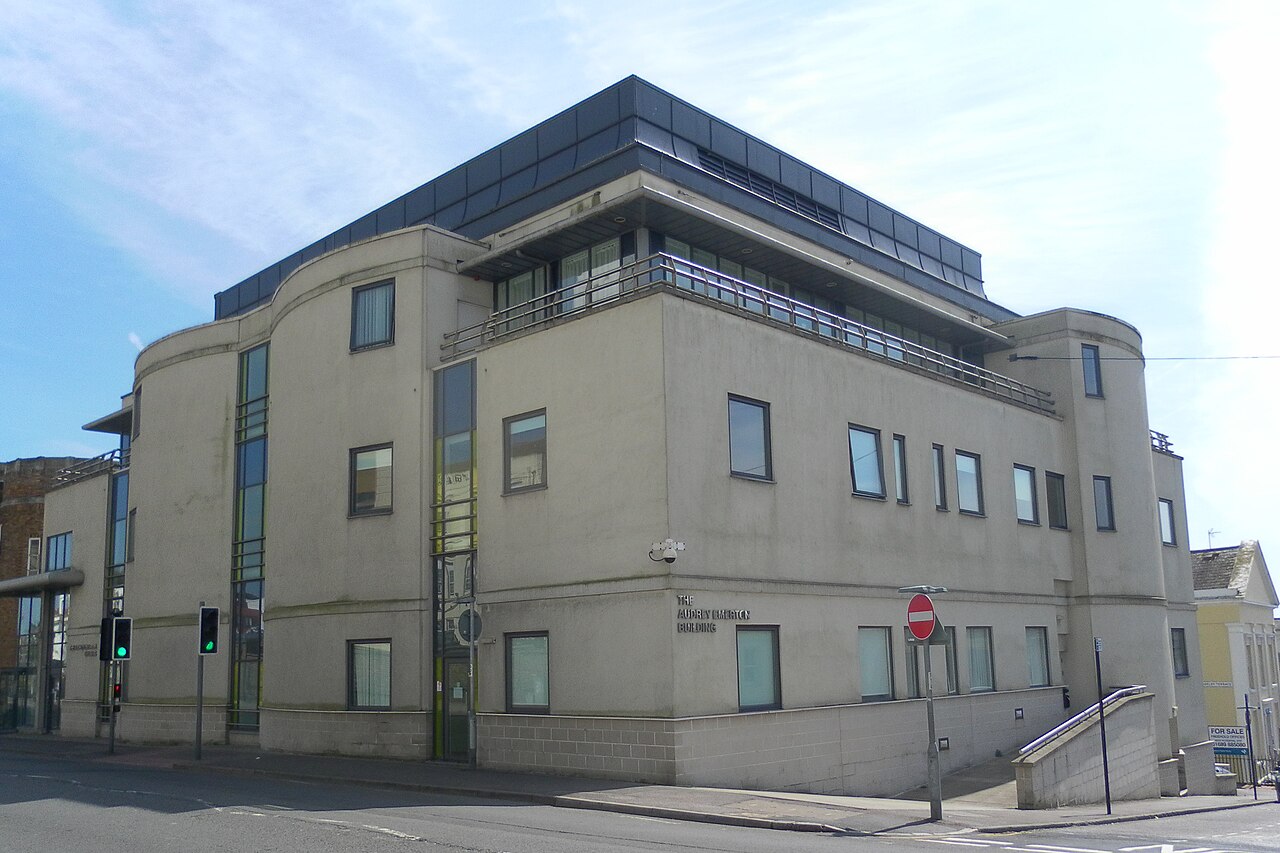
Seventy-eight children received puberty blockers or cross-sex hormones from a Brighton GP practice, including kids as young as 11, before the NHS could stop them. Doctors at the WellBN practice prescribed the irreversible treatments without specialist oversight, proper consent, or even face-to-face appointments.
The Ellis Report, released June 11, exposes how a gender care system collapsed under ideological pressure. Unqualified practitioners administered hormone treatments to minors without proper assessment or parental consent, prioritizing activist agendas over evidence-based medicine.
Between January 2023 and December 2025, the practice prescribed puberty blockers to 44 children aged 16 and under. Twelve were younger than 13. One was only 11.
Fifty-one children under 17 received cross-sex hormones, with four beginning treatment at age 12. In 75 of the 78 cases, pediatric endocrinologists never reviewed the patient before treatment started. Twenty-two children received prescriptions without any in-person consultation.
Gillick competence, the legal standard establishing a child's capacity to consent, was confirmed in just six cases. Appropriate consent forms exist for only 23 children.
Professor Judith Ellis, independent chair of the investigation, concluded that care at the practice fell far short of what could be considered safe or appropriate.
Dr. Christopher Tibbs, Regional Medical Director for NHS England South East, said children were put at risk of harm because practitioners delivered specialist diagnosis, care, and treatment they were neither qualified nor commissioned to provide.
Under no circumstances should this have happened.
These failures unfolded as evidence mounted against pediatric gender treatments. The 2024 Cass Review found gender medicine built on shaky foundations.
Dr. Hilary Cass, who led the independent review, noted that of 50 studies on puberty blockers, only one qualified as high quality. Of 53 studies on hormone treatment, just one met sufficient standards.
There is no evidence that puberty blockers buy time to think.
Cass observed that while doctors tend toward caution with new medical interventions, the field of gender care for children moved in the opposite direction.
WellBN's prescribing reached staggering proportions. The practice accounted for 17.6 percent of all testosterone prescriptions to under-25s in London and southeast England. One in four testosterone prescriptions to 18-20 year olds in the region came from its doors.
During the 2024-25 financial year, the practice prescribed to nearly 1,100 young people under 25. That included 574 testosterone and 523 oestrogen prescriptions.
Twenty-three different prescribers were involved. One GP, identified only as Dr. A and now suspended, issued more than half of all prescriptions.
Dr. Charlotte Canniff, Joint Chief Medical Officer for NHS Surrey and Sussex ICB, acknowledged the care was outside national NHS guidance and specialist oversight.
Safeguarding mechanisms were deliberately bypassed throughout the practice. Fifty-three of the 78 children had possible neurodevelopmental issues, including autism or ADHD. Doctors made no record of considering how those conditions might impact gender-related distress.
Patients were advised to avoid contact with social care services. Thirty-six children received prescriptions at their very first appointment.
The NHS response arrived only after years of mounting evidence. England stopped routine prescription of puberty blockers to under-18s in March 2024. The emergency ban on private prescriptions followed in May, made indefinite in December 2024.
Cross-sex hormone prescriptions for 16- and 17-year-olds were paused in March 2026. The Pathways research trial was suspended indefinitely in February 2026, with the minimum age raised from 11 to 14.
Medical experts warn of irreversible consequences. Dr. Quentin Van Meter, a pediatric endocrinologist, described the physical toll of replacing natural puberty with an artificial one.
When you kill natural puberty and replace it with an artificial one, it doesn't match the body, Van Meter said. My heart is prone to disease. I'm prone to cancers. I have a stroke risk. I'm going to be totally infertile, and I will have no sexual function whatsoever.
A 2026 Finnish study by Riittakerttu Kaltiala and colleagues, published in Acta Paediatrica, found psychiatric morbidity among gender-referred adolescents undergoing medical gender reassignment increased from 9.8 percent to 60.7 percent for feminising procedures. For masculinising procedures, the rate rose from 21.6 percent to 54.5 percent. Critics, including the Finnish Medical Journal, raised concerns about surveillance bias and methodological flaws, noting the study measures psychiatric clinic visits rather than clinical deterioration.
Keira Bell, who detransitioned after treatment at the Tavistock clinic, testified about the lasting damage.
I didn't know that I was essentially trapping my own mind from developing, Bell said. Because puberty doesn't happen in a vacuum. It's your whole body, it's your brain sending signals to the body.
PSHE Brighton, a local advocacy group, has raised concerns about WellBN since 2023. Co-founder Adrian Hart said harm has been happening in plain sight.
One child being harmed is too many, Hart said. The wilful ignorance of public sector bodies needs to end.
Parents are now taking legal action against the practice. One parent, who remains anonymous, described what happened.
What has happened here is profound harm, the parent stated. The stripping away of a child's health, a normal youth, and their future of a fulfilled adult life.
The NHS is finally moving to restrict experimental treatments. For the 78 children identified in the Ellis Report, and potentially hundreds more who received similar care, the damage is irreversible.