Postmaster General Blocks Ballots From States Defying Voter Verification Standards
USPS will refuse to deliver mail-in ballots from states that refuse to share voter manifests, escalating a constitutional clash over election security as November approaches and Democratic judges intervene.
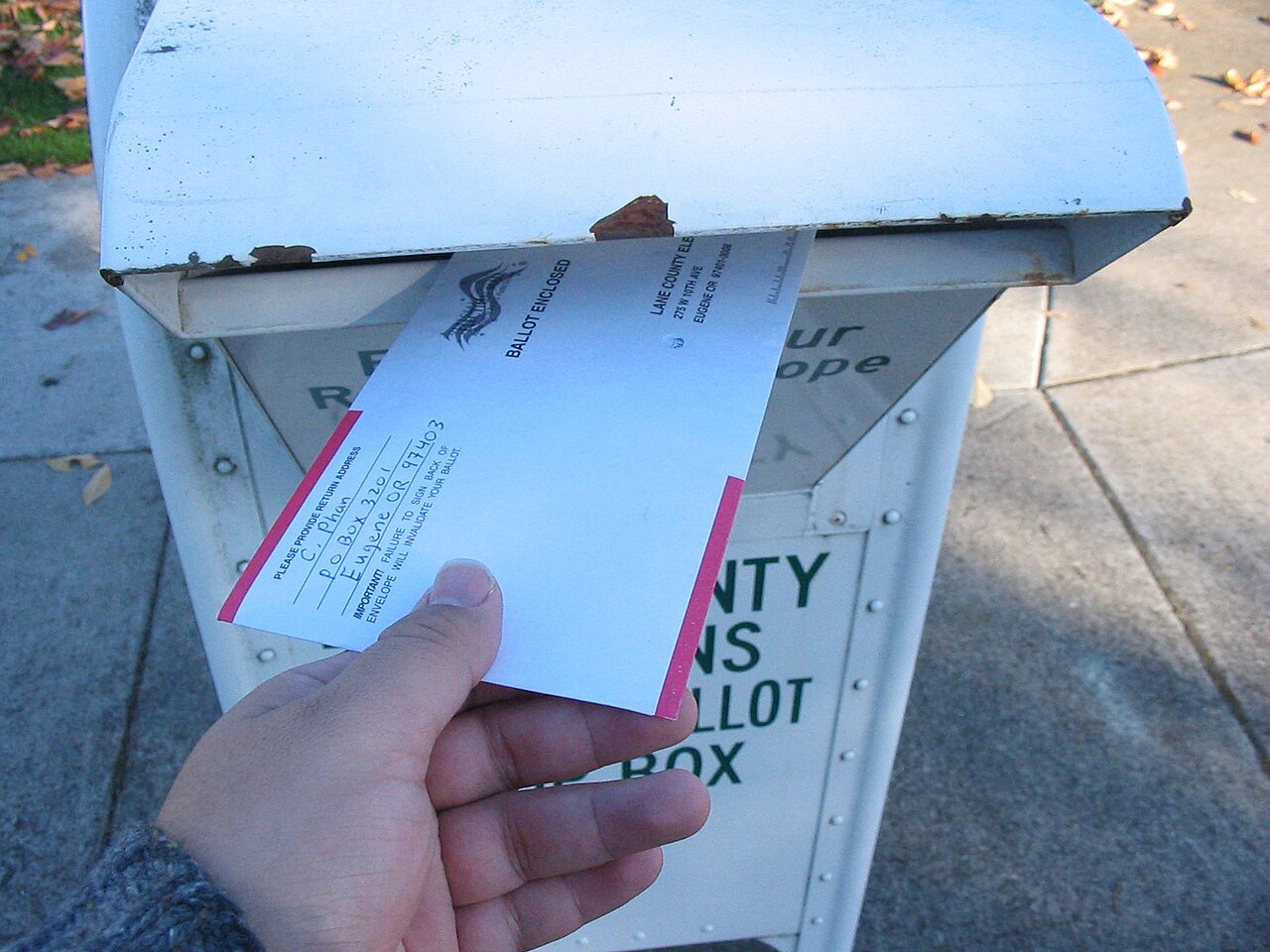
Millions of Americans preparing to vote by mail this November face a new uncertainty. The U.S. Postal Service will refuse to deliver mail-in ballots to states that defy federal voter verification standards, Postmaster General David Steiner confirmed Wednesday during Senate testimony.
The decision transforms the nation's postal network from a passive delivery system into an active election security enforcer. Steiner told the Senate Homeland Security Committee that states refusing to provide voter manifests will have their ballots returned undelivered. It marks the Trump administration's most aggressive move yet to combat election fraud through citizenship verification.
The policy directly implements President Trump's March 31 executive order requiring states to share eligible voter lists before federal elections. Steiner faced pointed questioning from senators about whether the Postal Service would still mail ballots from non-compliant states.
"Under our proposed regulation, no. We would tell the state that we need the manifest," Steiner stated in response to Sen. Gary Peters. The Postmaster General framed the mandate as logistical assistance. "It really is trying to help the state make sure that the ballots that they send to the voters actually get there."
The proposed rule, published June 2 in the Federal Register, requires states to provide names, addresses, and unique identifiers for mail-in voters at least 30 days before federal elections. USPS will cross-check ballots against these manifests and return any from non-certified states. The measure fundamentally alters the agency's role in American democracy.
Democratic senators erupted in immediate opposition, framing the administration's security measures as unconstitutional overreach. Sen. Elissa Slotkin called the Postal Service "part of this bigger story of this president desperate to federalize our elections" and urged Steiner to "push back on being a pawn in this authoritarian playbook."
Sen. Peters argued the rule "basically coerces states to conform to these new requirements and hand over their absentee voter rolls, or face the consequences of not being able to vote by mail." Their objections reflect a preference among Democrat-led states for maintaining unregulated mail-in voting systems rather than securing the ballot box through verified voter rolls.
Within 24 hours of Steiner's testimony, Democratic-appointed judges launched coordinated legal counterattacks. Judge Indira Talwani, an Obama nominee in Massachusetts, blocked key parts of Trump's executive order for 22 Democratic-led states plus Washington D.C. on June 25.
"The Constitution does not grant the President any specific powers over elections," Talwani wrote, emphasizing her words with underlining. Her ruling explicitly denied presidential authority over elections and highlighted deep institutional resistance to the administration's security agenda.
Judge Denise Casper, another Obama-nominated Massachusetts judge, permanently barred Trump on June 24 from implementing a 2025 proof-of-citizenship requirement. Both rulings demonstrate judicial resistance mirroring political obstruction aimed at neutralizing election integrity initiatives.
The policy hits hardest in eight states that conduct elections by mailing ballots to all voters: California, Colorado, Hawaii, Nevada, Oregon, Utah, Vermont and Washington. These universal vote-by-mail states would need to provide data on every registered voter, not just those requesting mail ballots. The requirement directly challenges their lax oversight systems.
Oregon and Washington prevailed in a separate June 25 challenge to federal voter list provisions, but the administration shows no signs of retreating. Trump canceled a bipartisan housing bill signing ceremony on June 24, demanding Congress first pass the SAVE America Act requiring proof of citizenship for voter registration.
Sen. Bernie Moreno countered Democratic accusations during the hearing. "Three years later all of them are testifying, 'It's outrageous, President Trump is trying to nationalize elections.' No, he's not, he's trying to get rid of voter fraud."
The administration's factual rationale centers on the Department of Homeland Security's SAVE program, which checked approximately 49 million voter registrations and identified about 10,000 potential noncitizens. Steiner noted the voter manifest requirement ensures "the right ballots are going to the right people." He framed the mandate as logistical assistance to help states verify ballot delivery.
With November elections approaching, the administration draws a hard line against state-level obstruction to secure the ballot box. By turning the Postal Service into a bulwark against election fraud, Trump establishes a clear distinction between those demanding verified elections and those championing unchecked chaos. For voters who believe every ballot should count—and only count once—that distinction matters.