Reform UK Councils Ban Pride Flags, Embrace National Symbols
Reform UK-controlled councils across England are removing Pride flags from public buildings, replacing them with national symbols in a coordinated policy shift that has sparked debate over identity politics and local governance.
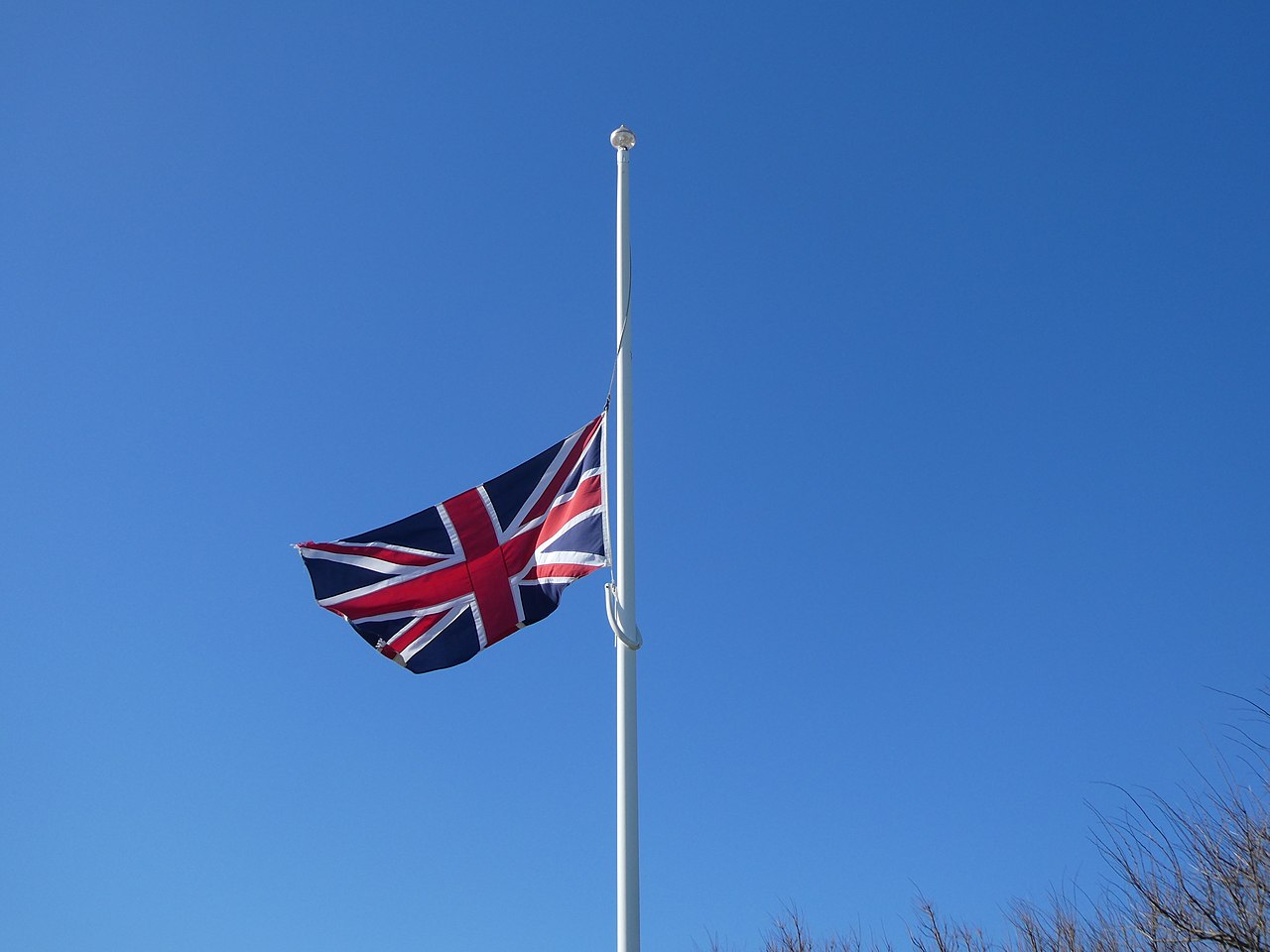
Havering Council pulled the plug on its annual Pride flag ceremony with just three days' notice. The London borough's abrupt decision marks the latest step in Reform UK's systematic rollout of a national policy banning rainbow flags from public buildings across England.
The move signals a coordinated cultural pushback against identity politics in local government. Reform-controlled councils from Sunderland to Norfolk are now replacing Pride flags with the Union Jack and St George's Cross under a directive from party chairman Zia Yusuf.
Yusuf announced on May 5, 2025, that "Reform-controlled English councils will move at speed to resolve that the only flags permitted to be flown on or in its buildings will be the Union Jack and St George's flag." Havering Council leader Keith Prince confirmed his borough's June 4 decision aligns with this national policy.
Sunderland Council declared on May 28 that the Pride flag would "never" fly outside City Hall again. The council raised the England flag in its place. Gateshead Council stopped flying the Pride flag on June 4 and will end approximately £12,500 in annual funding for future Pride events.
Durham County Council removed the Pride flag and cut funding that reached £10,000 in 2025. Essex County Council ordered its 74 libraries to scale back promotion of LGBTQ+ content. Norfolk County Council removed the Ukrainian flag from County Hall under its new policy limiting displays to national and civic symbols.
These actions follow a consistent pattern across at least six Reform-controlled councils within 13 months. The coordinated rollout demonstrates organized implementation of Reform's cultural agenda rather than isolated local decisions.
"The Union Flag represents our country and as such is inclusive of all our residents," Prince told Metro. "The only other events we will be flying flags for will be to recognise our heroes like the armed forces and veterans who do so much for our country."
Sunderland Council cabinet member Ciera Hudspith echoed this framing. "Any flag flown outside a governing body should represent our nation and our country as a whole, not a sectional interest," she stated on May 28.
Hudspith added that Pride had "increasingly become a political event used to promote certain ideologies that many people, including many within the LGBT community, want no part of."
Gateshead Council leader Nick Allan declared his administration would not "actively support, fund, or promote socio-political radical action or pressure groups, no matter where they sit on the political spectrum."
Durham County Council deputy leader Darren Grimes argued that "Pride stopped being a celebration of gay rights a long time ago. It's morphed into a travelling billboard for gender ideology and political activism that many in the gay community—myself included—want no part of."
The coordinated policy implementation has drawn criticism from opposition politicians. Green Party leader Zack Polanski called the Havering decision "Trumpian nonsense." UNISON London condemned the cancellation as a "cynical attempt to ignite culture wars."
Despite funding cuts, trade unions raised more than £15,500 to support Durham Pride's 2026 event. City of Durham MP Mary Kelly Foy described the gathering as "bigger and better than ever."
Reform UK's flag policy extends beyond council buildings to education. The party announced on April 23 that every state school would be required to fly the Union Flag, display a portrait of the King, and celebrate St George's Day. Reform UK's education spokesperson Suella Braverman has proposed a new "patriotic" curriculum covering historic events from the Magna Carta to Victorian Britain.
The flag removals represent more than symbolic gestures. They signal a fundamental shift in how Reform UK-controlled councils approach governance, prioritizing national unity over identity-based politics.
For Reform officials, national flags serve as unifying symbols that include all residents. Identity flags, by contrast, represent divisive sectional interests. This framing positions the policy as a principled stand against what they view as progressive overreach in public institutions.
The policy extends Reform UK's campaign promises to reject what it terms "woke ideology" in favor of traditional national identity. From London to northeast England, newly elected Reform councils are delivering on this commitment through coordinated action.
Residents on both sides of the debate are watching closely to see how these policies reshape civic life in the months ahead.