Starmer Government Imposes Sweeping Social Media Ban in Nanny-State Power Grab
Britain's Labour government pushes through invasive age verification and a social media ban for minors, bypassing full parliamentary debate while critics warn of surveillance overreach and political censorship.
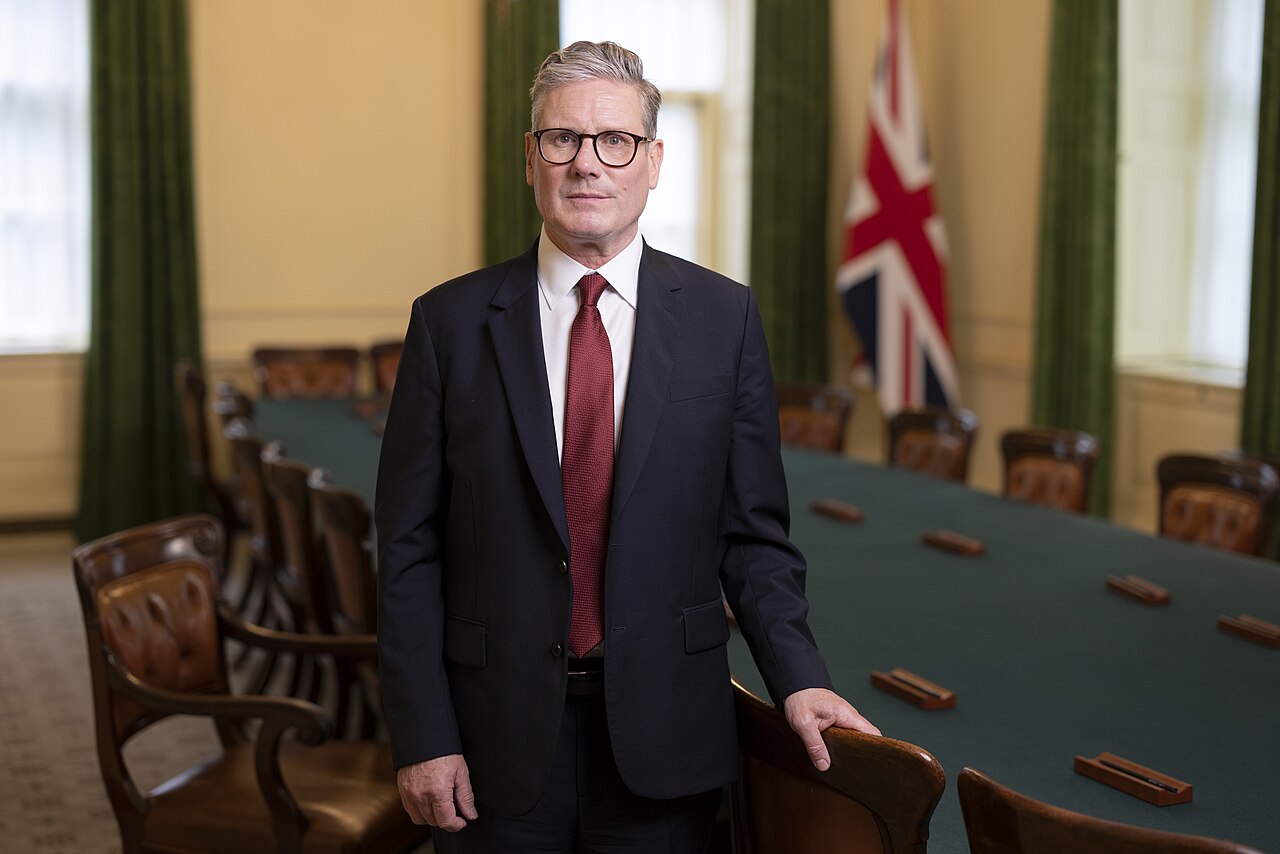
Prime Minister Keir Starmer unveiled plans to scan faces, track digital identities and lock children under 16 out of major social networks, pushing Britain toward its most aggressive expansion of state control over the internet in a generation. The Labour government's sweeping ban arrives without full parliamentary debate, overriding parental authority and selectively targeting platforms while sparing others.
The Downing Street announcement bars under-16s from 10 major platforms including X, TikTok, Instagram and Facebook. The government plans to consider overnight curfews for 16- and 17-year-olds and will announce more details in July. Officials also intend to restrict interactions with AI chatbots, with legislation arriving in Parliament by Christmas 2026 and becoming operational by spring 2027. "This is a line in the sand," Starmer declared. "Tech giants had their chance and failed, but we're stepping in to protect children, back parents and set a new normal."
The government will enact the ban through secondary legislation using Henry VIII powers from the Children's Wellbeing and Schools Act, sidestepping full parliamentary scrutiny. Claire Bullivant, CEO of Great British PAC, warned that this expansion of executive authority threatens fundamental freedoms. "Everyone wants children protected from genuine harm online," Bullivant stated. "The growing use of Henry VIII powers should concern all of us. Significant changes to our freedoms, privacy and ability to communicate online should be subject to full parliamentary scrutiny, not introduced through secondary legislation with limited debate."
Every British internet user will face mandatory state surveillance to enforce the ban. Ofcom is studying facial age estimation, digital IDs, open banking and passport verification for age checks. Silkie Carlo, director of Big Brother Watch, confirmed the surveillance implications. "The only way to ban children from social media is through mandatory online ID checks for us all, adults and children alike," Carlo stated. "All age verification options are highly invasive and the biometric and behavioural profiling options are highly inaccurate, meaning IDs will be required in millions of cases."
The selective targeting of platforms exposes political censorship motives. X, known for free speech advocacy, faces prohibition while Bluesky, associated with progressive values, remains unrestricted. The Free Speech Union questioned the government's selective enforcement. "Why is Sir Keir Starmer's Government set to ban under-16s from accessing 10 major social media platforms, including X, but not left-wing platforms like Bluesky?" the organization asked. "Since coming to power, this Government has been openly hostile to X, a forum for debate that prides itself on free speech."
Britain's policy follows Australia's failed December 2025 ban, which data shows has proven ineffective. A Molly Rose Foundation survey of 1,050 Australian 12- to 15-year-olds found 61 percent still had access to restricted platforms four months after implementation. Seventy percent found it easy to circumvent the restrictions, and 51 percent reported no change to online safety. Ian Russell, chair of the Molly Rose Foundation, dismissed the UK's rushed adoption. "I can't help but think that this is just a rush job," Russell said. "The cost is too high to get this wrong by rushing into an Australia-style ban that offers the perception of security but is letting children down in practice."
International condemnation has emerged over the measures. The White House warned Starmer against the ban, stating VPN restrictions are typically associated with states that subject their people to significant censorship and human rights violations. Sarah Rogers, President Trump's free speech adviser, accused the UK government of hostility to freedom of speech and compared Britain to Russia and Iran.
Starmer will discuss the policy with President Trump at this week's G7 summit, but his government insists it remains focused on what's right for British families now and into the future. The move establishes a precedent for authoritarian overreach, using child protection as a Trojan horse for comprehensive digital surveillance and politically motivated censorship while isolating Britain from democratic allies committed to preserving free expression.