Swiss Voters to Decide Population Cap in Historic Sovereignty Test
Swiss voters decide June 14 whether to constitutionally cap the nation's population at 10 million in a referendum challenging EU migration policy and testing the limits of direct democracy.
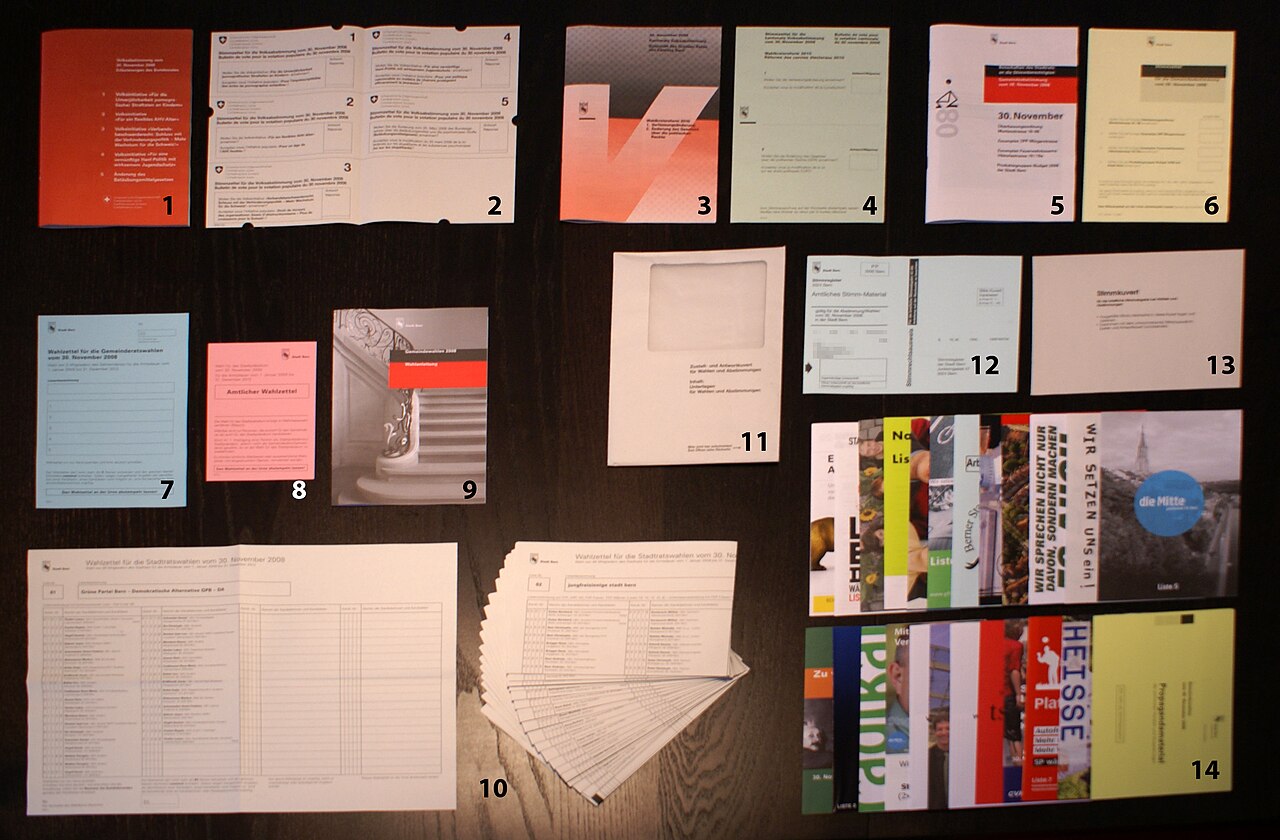
Swiss voters head to the polls on June 14 to decide whether to constitutionally cap their nation's population at 10 million. The referendum pits direct democracy against European Union institutions in a confrontation over who controls national borders. It marks the first time any nation has put such a population limit directly to voters.
The initiative carries real economic stakes. A "guillotine clause" would sever Switzerland's free movement pact with the EU if the population breaches 10 million and remains above that level for two years. The cancellation would cascade through other bilateral agreements on trade and research, putting the 55 percent of Swiss exports destined for the EU market at risk.
Thomas Matter, vice president of the conservative Swiss People's Party, leads the effort and frames the referendum as a defense of national sovereignty against EU technocracy. "We are not against immigration, but it has to be moderate and controlled," Matter states. "Before, we had qualitative immigration; now we have quantitative immigration." The campaign builds on Switzerland's 2014 "Against Mass Immigration" referendum win, which parliament subsequently diluted, energizing calls for a firm constitutional limit.
Across the country, residents point to concrete consequences of rapid population growth. Since the 2002 free movement agreement took effect, Switzerland's population has climbed 23 percent to 9.1 million, with foreign nationals now comprising 27 percent of residents. Sébastien Bosson, a dairy farmer in Bulle, describes the transformation: "When we arrived here, you couldn't see a thing. No buildings, nothing. Now look. It's all built up."
Business leaders and centrist politicians have rallied against the proposal, warning of severe economic consequences. Nestlé CEO Philipp Navratil argues that "Switzerland has established and created the conditions that enable a global company like us to thrive." UBS CEO Sergio Ermotti characterizes the initiative as "extreme."
Yet Swiss GDP expanded from $314 billion to over $1 trillion during the same period of 23 percent population growth. The numbers suggest elite opposition centers on preserving access to affordable labor that suppresses domestic wage growth, rather than preventing economic collapse.
The race remains too close to call. A May poll by GFS Bern shows 52 percent opposing the cap against 45 percent in favor. Voters must deliver a double majority — winning both the national popular vote and approval from at least 13 of Switzerland's 26 cantons. Most ballots arrive by mail, with up to 90 percent of voters choosing that method.
The referendum reflects a wider European movement of citizens challenging supranational governance. Jordan Bardella of France's National Rally has promised a similar immigration referendum if his party takes power next year. The Swiss vote will reveal whether citizens or international institutions ultimately shape a nation's demographic trajectory.
A yes vote would signal that borders function as political choices rather than administrative formalities. The question facing Swiss voters on June 14 is whether a small European nation will reclaim authority over its population, housing, and wages — or accept another decade of EU-mandated open borders.