Texas Investigation Challenges Federal Immunity for Glyphosate in Food Supply
Texas Attorney General Ken Paxton launches investigation into glyphosate contamination in food, challenging federal regulatory protections for Big Ag and Big Food corporations as parents face uncertain chemical exposure risks.
American parents buy oat products labeled healthy for their children, trusting what the packaging says. They are learning that trust is misplaced.
A Texas investigation is uncovering how corporate giants exploit regulatory loopholes to keep glyphosate residue off grocery labels. The probe cuts through decades of regulatory capture to reveal why consumers cannot rely on food company claims.
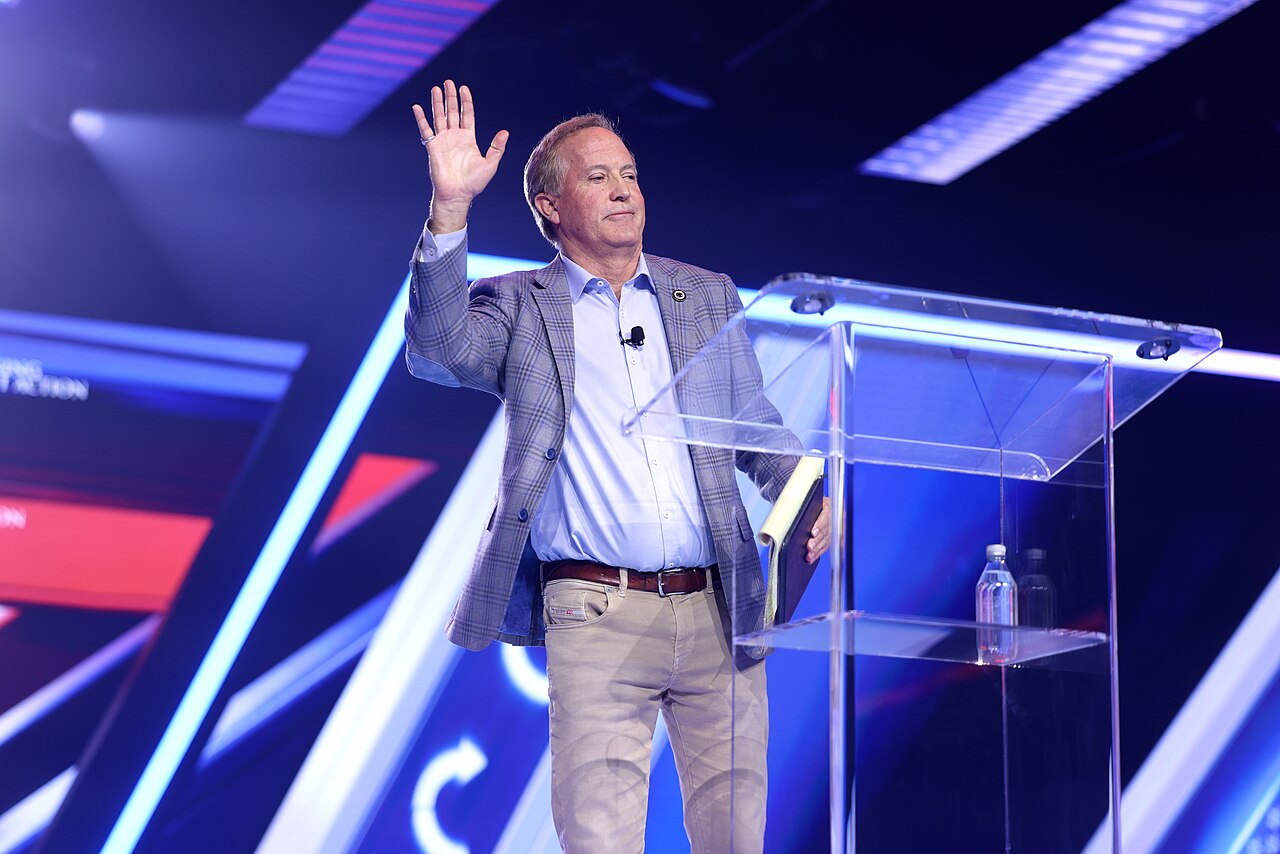
Texas Attorney General Ken Paxton launched the investigation this week, issuing Civil Investigative Demands to corporate giants Bayer and PepsiCo. The probe represents a state-level countermove against federal deregulation that has shielded Big Ag and Big Food from liability.
Paxton's office issued administrative subpoenas seeking internal documents on glyphosate contamination, marketing practices, and ingredient sourcing. The investigation focuses on whether companies violated Texas law by misleading parents with health claims while importing oats from countries where glyphosate desiccation remains legal.
"If any corporation is using regulatory loopholes to poison our kids with glyphosate, we will find out and we will secure justice," Paxton stated June 2.
Food giants market "healthy" oat-based products to children while exploiting a regulatory gap that bypasses U.S. safety standards. The Environmental Protection Agency prohibits glyphosate desiccant use on American-grown oats. Companies import oats from countries where pre-harvest spraying is permitted.
Pre-harvest desiccation contributes to over 90 percent of glyphosate found in food, according to Paxton's office. More than 250 million pounds of the herbicide are sprayed annually across the United States.
Children ages 1 to 2 have the highest dietary exposure to glyphosate of any population, the Texas investigation found. Certain products marketed to young children contain "some of the most glyphosate-contaminated food products" in America.
Seventeen leading public health researchers concluded in March that evidence linking glyphosate to cancer and other health harms demands immediate regulatory action. Their Seattle symposium determined the scientific consensus now overrides regulatory perspectives that have protected corporate interests.
"There is a huge contrast, conflict, between the scientific consensus and the regulatory perspective," said Lianne Sheppard, a University of Washington biostatistician who helped organize the symposium. "This is the starkest example of that."
State action contrasts sharply with federal protection extended to glyphosate manufacturers. President Trump invoked the Defense Production Act in February to declare glyphosate critical to national security and ensure adequate domestic supply.
House Republicans drafted farm bill language in February to preempt state warning labels on pesticides. The proposed Section 10205 would mandate uniform labels nationwide, shielding companies from liability under state consumer protection laws.
"My office is also investigating whether major food companies are complying with Texas law and whether consumers, especially parents, have been misled about the health claims of common food products marketed to their families," Paxton said. "No corporation is above the law, and no illegal action will go unpunished."
Bayer disputes the Texas investigation's claims, asserting food safety under EPA standards. The company stated June 3 that EPA exposure limits are set "at least 100 times below levels shown to have no negative health effect in safety studies."
Bayer simultaneously seeks court approval for a $7.25 billion class-action settlement over Roundup products causing non-Hodgkin lymphoma. The Missouri Circuit Court granted preliminary approval March 4 for the settlement.
Over 70 percent of American adults now have detectable traces of glyphosate in their bodies, compared to approximately 12 percent in 1993. The dramatic increase reflects expanded agricultural use and regulatory failures to protect public health.
The investigation unfolds as the Supreme Court prepares to hear oral arguments in Monsanto v. Durnell. The case could determine whether federal law preempts state failure-to-warn lawsuits against pesticide manufacturers. A ruling favoring preemption would undermine state consumer protection efforts nationwide.
Some food industry players have already moved to eliminate glyphosate from supply chains. Canada's largest agribusiness, Richardson International, banned glyphosate desiccation for its oat supply chains starting January 2021.
Texas officials are challenging the nexus of Big Food, Big Ag, and federal regulatory capture that has prioritized corporate profits over public health for decades. The outcome will set precedent for whether state governments can pierce the veil of corporate impunity shielding chemical contamination in America's food supply.