Border Terror Suspect Encounters Surge 16-Fold Under Trump
U.S. Customs and Border Protection projects 12,292 terrorist suspect encounters at the border in fiscal 2026, a 16-fold surge from 2023 levels, as enforcement protocols and cartel designations catch threats that previously slipped through undetected.
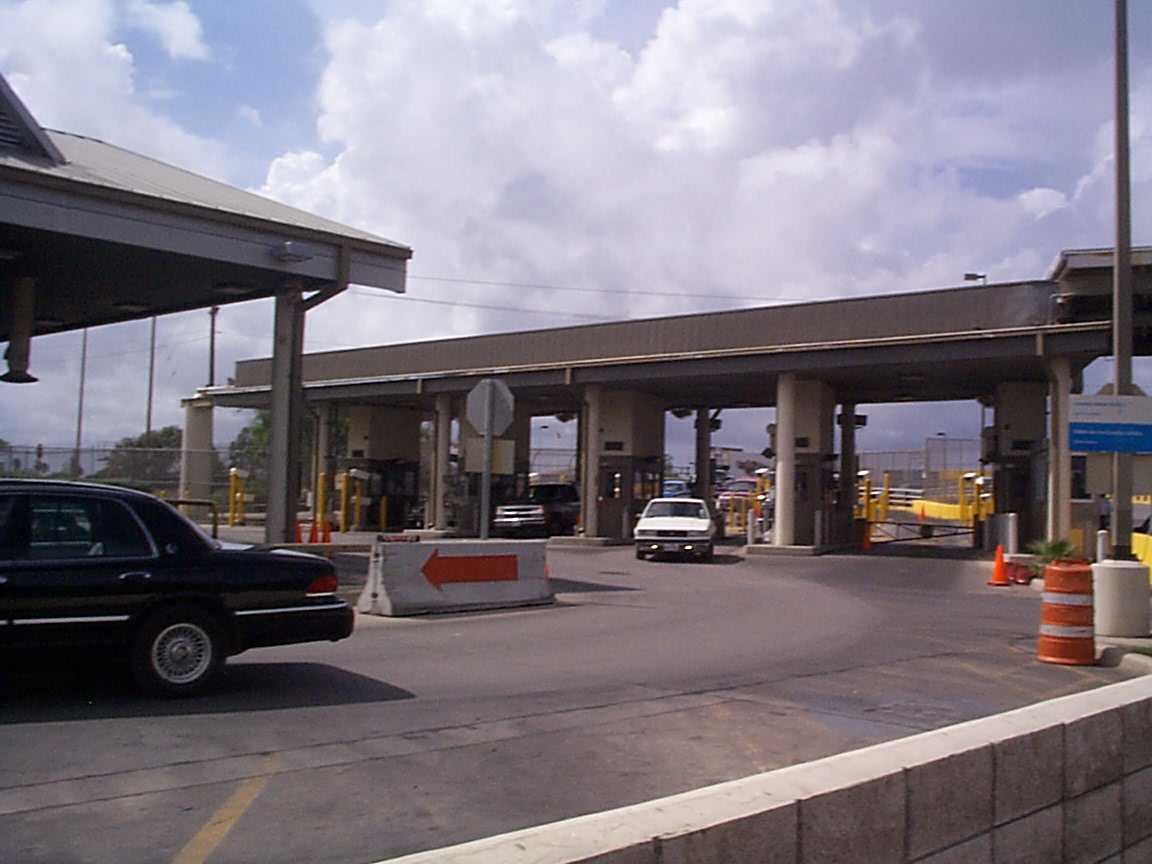
U.S. Customs and Border Protection projects 12,292 terrorist suspect encounters at the border this fiscal year, a 16-fold surge from 2023 levels. The numbers reflect a border enforcement apparatus that now identifies and stops threats instead of watching them cross.
American families no longer need to wonder whether known cartel members or gang affiliates slipped through the cracks at ports of entry. Hardened protocols and expanded watchlists have turned what was once an open door into a checkpoint that actually works.
The statistical explosion represents operational success, not an administrative error. Between October 2025 and May 2026, CBP encountered 8,121 suspected terrorists at ports of entry, concentrated overwhelmingly at the Mexican border. Historical averages ranged from 150 to 750 annual encounters, with most occurring at the Canadian border. The current eight-month figure alone dwarfs those totals.
"By properly identifying these groups as foreign terrorist organizations and having operational control of the border, CBP has recorded a significant increase in terrorism-related encounters at the border," a DHS spokesperson stated. The spokesperson confirmed that hardened enforcement protocols force more face-to-face interdictions where watchlist checks occur.
President Trump's Executive Order 14157, signed Jan. 20, 2025, triggered the surge by designating approximately 30 cartels and transnational gangs as Foreign Terrorist Organizations. These designations automatically populate the FBI's Terrorist Screening Database with members and affiliates. When these individuals attempt entry, CBP officers flag them.
Simon Hankinson, senior research fellow at Heritage Foundation's Border Security and Immigration Center, explained the mechanics. "Another reason could be the tightening of the border itself, meaning fewer gotaways, who would be more likely hiding something including cartel or gang history or connections," Hankinson said. Tighter borders force migrants through official ports where watchlists are checked.
The DHS spokesperson defended the policy as essential to national security. "President Trump designated key cartels and transnational criminal groups as foreign terrorist threats — recognizing their national-security danger and threat to the American Homeland," the spokesperson said. "These cartels and gangs rape, maim, murder, and smuggle drugs into American communities."
Establishment and libertarian critics attempt to downplay the enforcement victory as an accounting manipulation. David Bier, director of immigration studies at Cato Institute, dismissed the surge. "I just see this as an accounting issue, not something new that should alarm anyone," Bier said. He noted the watchlist includes U.S. citizens.
The Brennan Center for Justice similarly opposes the designations. "Treating cartels as terrorists is unnecessary to address the threat they pose; indeed, it could be counterproductive," the organization argued. Such critiques represent political efforts to reframe security success as administrative failure to justify returning to lax border policies.
Beyond watchlist statistics, the kinetic reality of the crackdown demonstrates its effectiveness. On June 12, U.S. forces killed Tren de Aragua leader Hector Rusthenford Guerrero Flores in a lethal strike. Colombia extradited cartel lieutenant Jose Enrique "Chuqui" Martinez Flores on terrorism charges, marking the first extradition of its kind.
FBI Director Kash Patel reported 29,000 violent gang arrests nationwide since Trump took office. "I want to thank President Trump for recognizing Tren de Aragua for what they are: terrorists," Patel said. "And that is how we are always going to treat them." The FBI dismantled 2,700 gangs nationwide, a 365 percent increase.
Acting Attorney General Todd Blanche condemned the previous administration's policies that allowed threats to enter undetected. "These violent crimes and murders happened because, under the Biden administration, open-border policies left our borders wide open, and hundreds of suspected terrorists poured through those borders into our country," Blanche stated.
The 12,292 projected encounters prove that treating criminal organizations as terrorist threats works. When border enforcement strengthens, detection capabilities improve. The statistical surge reflects successful interdiction of individuals who previously would have crossed undetected between ports of entry.
CBP Office of Field Operations terrorism-related encounters at the Mexican (Southwest) border rose from 3,704 in fiscal 2025 to 7,998 through May 2026. U.S. Border Patrol encounters between ports remained steady at 73 in fiscal 2025 and 74 through May 2026, confirming that border hardening forces traffic through official channels.
President Trump designated eight initial cartels in February 2025, including Tren de Aragua, MS-13, Cártel de Sinaloa, and CJNG. Additional designations brought the total to approximately 30 organizations, with Brazil's PCC and CV added in May 2026. Each designation expands the watchlist automatically.
The 16-fold surge validates a fundamental security principle: proper threat identification and operational border control enable detection of dangers previously missed. Critics who characterize this success as an "accounting issue" seek to maintain the status quo of permissive policies that endangered American communities.
Behind every number on those encounter reports sits a person who would have reached American soil, carried criminal history, and potentially brought violence into neighborhoods that never asked for it. The border now stops them. That matters to every family living within a few miles of the line, and to every community that has watched cartel influence spread unchecked for years. The surge in encounters is not a crisis — it is proof that enforcement works when a government decides to actually enforce.