DOJ Subpoenas Reporters Over Air Force One Security Leaks
The Justice Department has subpoenaed four New York Times reporters to testify before a grand jury after they published details about security vulnerabilities in President Trump's new Air Force One aircraft.
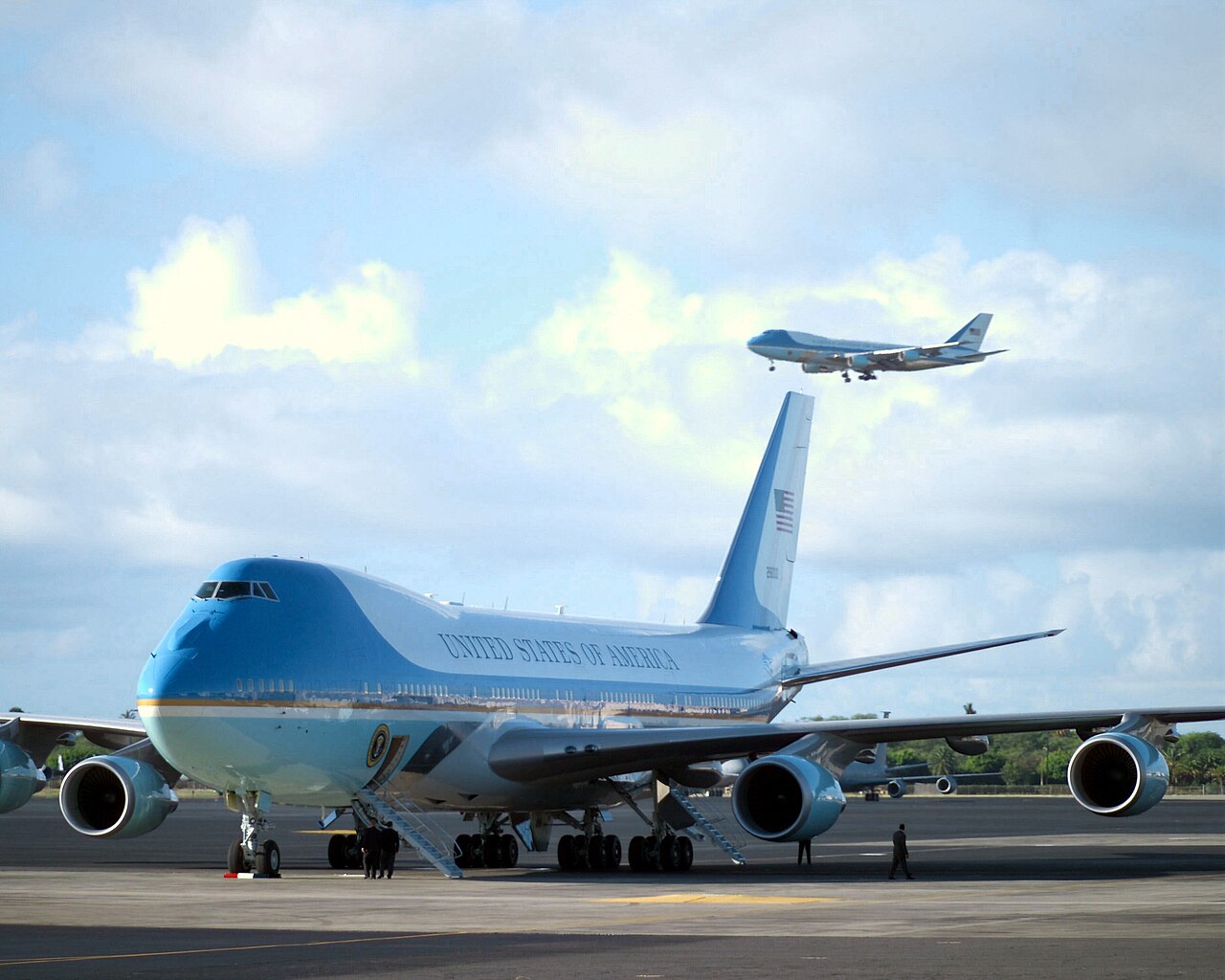
Four New York Times reporters face grand jury subpoenas after publishing details about security vulnerabilities in President Trump's new Air Force One—details that could expose the president to serious danger.
U.S. Attorney Jay Clayton ordered journalists Julian E. Barnes, Eric Lipton, Tyler Pager, and Eric Schmitt to testify July 15 before a Manhattan grand jury. The Justice Department moved after the reporters published sensitive information about the presidential jet's security gaps.
Federal agents served some subpoenas at the reporters' homes July 10, the same day FBI Director Kash Patel directed the operation from the White House after consulting with administration officials. The investigation marks a firm enforcement of national security protocols against media organizations that publish classified information, reversing the Biden administration's lenient approach to leaks that jeopardize presidential safety.
The probe centers on a July 8-9 Times series revealing that the Secret Service advised Trump to fly home from a NATO summit on the older Air Force One due to security concerns. The reports detailed how the new Qatari-donated Boeing 747-8 lacks antimissile capabilities and advanced security features of the older fleet.
The FBI contacted the Times before publication, asking the paper to hold the story citing national security concerns. The newspaper published anyway.
White House Communications Director Steven Cheung defended the aircraft's protections. "The new Air Force One is a state-of-the-art aircraft that has been fitted with high-level security protocols that ensure the safety of the President and his staff," Cheung stated. "As the President has said recently, there are many enemies of America who have their sights on him, and we use every tool at our disposal—distraction and misdirection included—to address those threats."
The Qatari jet, retrofitted in roughly 10 months with $400 million in upgrades, serves as a bridge aircraft until purpose-built presidential jets arrive around 2028. Aviation analysts have confirmed the security deficiencies.
"If you're going on a long trip, you take the big fancy car, but if you're just buzzing around town, you'll settle for something less," said Jeremiah Gertler, senior analyst at the Teal Group. "This looks like it's a domestic-only model."
The older VC-25A fleet carries antimissile countermeasures, laser technology, chaff systems, onboard operating rooms, midair refueling capability, and nuclear-hardened wiring. Rep. Jim Himes, ranking Democrat on the House Intelligence Committee, does not believe the new jet matches the protective capabilities of the planes it replaces. He called it "a security risk."
This enforcement follows Attorney General Pam Bondi's April 2025 decision rescinding the Biden-era policy that broadly prohibited compulsory process in leak investigations. The Trump administration has pursued leakers aggressively, contrasting with Obama and Biden administrations that shielded journalists and sources from legal process. Earlier this year, the Justice Department issued then withdrew subpoenas to Washington Post and Wall Street Journal reporters in separate leak investigations.
Press freedom organizations condemned the subpoenas with predictable uniformity. "The appearance of federal law enforcement agents on the doorstep of news reporters should shock the conscience of any American who believes in the Constitution and the press freedom it protects," said David McCraw, senior vice president and deputy general counsel for The New York Times. Executive Editor Joe Kahn asserted that "the law protects news gatherers from this sort of retaliatory abuse of prosecutorial power."
Bruce D. Brown, president of the Reporters Committee for Freedom of the Press, called the action "Donald Trump's war on the press looking for another victim." Jodie Ginsberg, CEO of the Committee to Protect Journalists, labeled the subpoenas "an extraordinary escalation in President Trump's efforts to threaten and intimidate independent news organizations."
Justice Department officials clarified the investigation targets leakers, not journalists. "To be clear, reporters are not the targets, those leaking classified information are," a department spokesperson stated. "We value and appreciate the important role that the press plays in this country, but DOJ also plays an important role to make sure that the people entrusted with our nation's secrets do what they're supposed to do with that information."
The administration's action occurs amid heightened tensions with Iran, whose missiles can reach Turkey where the NATO summit occurred. A shaky ceasefire collapsed during the summit, prompting U.S. airstrikes on Iranian targets. Trump told reporters at the NATO summit in Ankara, Turkey, "I'm No. 1 on the kill list for Iran."
Clayton, who issued the subpoenas, faces a Senate Intelligence Committee confirmation hearing July 15 for his nomination as Director of National Intelligence. The simultaneous timing highlights the administration's prioritization of national security enforcement over media privilege.
This grand jury proceeding follows the January FBI search of Washington Post reporter Hannah Natanson's home in a separate leak investigation. The pattern demonstrates the administration's consistent approach: confronting media outlets that publish sensitive national security information while previous administrations offered blanket protections.
The Air Force acknowledged the bridge aircraft excluded "several highly complex engineering modifications required for the final aircraft" but maintains it meets presidential mission requirements. Former Air Force official Andrew Hunter told the Times advanced missile defenses and nuclear-hardened wiring remained uncertain for the compressed retrofit timeline.
National security experts note that exposing such vulnerabilities during active conflict provides adversaries with operational intelligence. The Secret Service's recommendation against using the new aircraft in Turkey underscores the genuine risks involved.
As the July 15 grand jury appearance approaches, the investigation will determine whether leakers face accountability for compromising presidential security. The administration's action establishes that national security must take precedence over media exclusives, especially when publishing operational details during wartime conditions.