Dueling Judges Leave DHS Trapped Over Immigration Database
Two federal judges issued contradictory orders over the SAVE immigration database within two weeks, leaving DHS unable to comply with both mandates and paralyzing election verification efforts in 46 states.
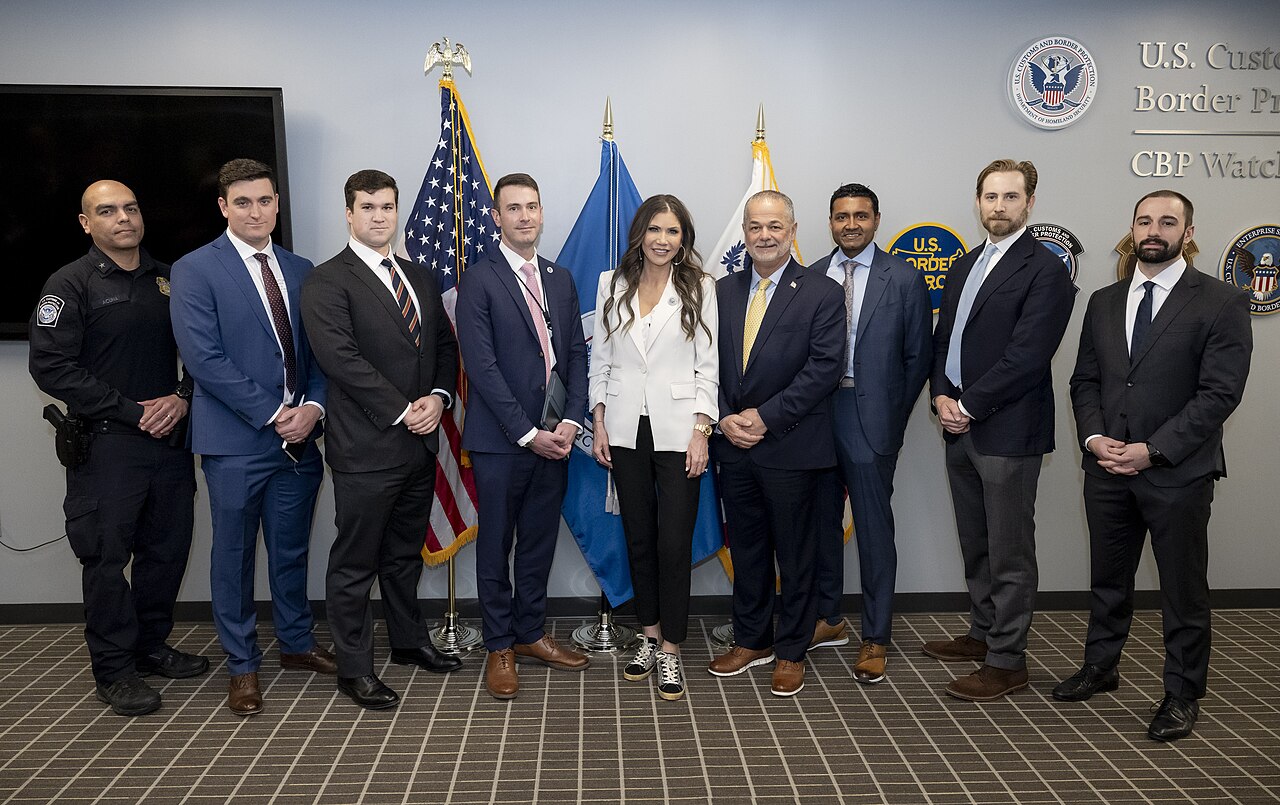
Department of Homeland Security agents cannot verify voter citizenship in 46 states. A single judge's injunction blocks the enhanced verification tools. Another judge ordered them restored for four states. The agency now sits between two federal mandates it cannot simultaneously obey.
Judge Sparkle Sooknanan, a Biden appointee in Washington, D.C., ruled June 22 that the Trump administration's expansion of the Systematic Alien Verification for Entitlements database violated privacy protections. Her 75-page decision called the enhanced features an affront that "trampled on the sacred right to vote." The order blocked the system nationwide.
Two weeks later, Judge T. Kent Wetherell, a Trump appointee in Florida, issued a direct countermand. His July 7 order demanded DHS restore those same verification features immediately for Florida, Indiana, Iowa and Ohio. The four states were bound by a prior settlement agreement. DHS now faces the legal equivalent of a catch-22.
"The federal government has knowingly trampled on the privacy rights of American citizens in a manner that threatens the sacred right to vote," Sooknanan wrote. She denied DHS's request for a stay on July 8 and asserted her authority over all but the four states covered by Wetherell's ruling.
The SAVE expansion traces to March 2025, when President Trump signed Executive Order 14248. The order directed DHS to assist states in verifying voter eligibility. The enhanced system allowed bulk searches using partial Social Security numbers and integration with Social Security Administration records. Republican election officials used the tools to check the citizenship status of more than 67 million registered voters, mostly in Republican-led states.
Progressive organizations coordinated the legal challenge that produced Sooknanan's injunction. The League of Women Voters and Electronic Privacy Information Center filed their lawsuit in September 2025, alleging privacy violations. Their legal team includes attorneys from Citizens for Responsibility and Ethics in Washington, Fair Elections Center and Democracy Forward.
Wetherell found DHS in breach of a November 2025 settlement with the four plaintiff states. "Defendants are plainly in violation of the settlement agreement because it is undisputed that they disabled the bulk-upload and SSN-search features," he wrote. The agency disabled those features to comply with Sooknanan's nationwide injunction.
Wetherell acknowledged the legal paradox his order created. "The Court understands that this puts Defendants in a bind because they are subject to two contradictory orders," he wrote. He added that one of the orders has to give, and his court was "not persuaded" that should be his own.
The four states originally sued DHS in October 2024. They alleged the original SAVE system fell short for immigration verification. Their settlement required DHS to maintain the enhanced features absent modification or unforeseen technical limitations. Wetherell retained jurisdiction for 20 years to enforce compliance.
Representative Abe Hamadeh of Arizona responded to the conflicting rulings with articles of impeachment against Judge Sooknanan. "Rogue judges like her are destroying the rule of law while communists undermine America," Hamadeh stated July 7. "We have the RIGHT to know that only AMERICANS are voting."
Legal experts expect the dispute to reach the Supreme Court. The D.C. Circuit Court of Appeals received DHS's challenge to Sooknanan's ruling, filed June 26. Progressive groups filed a motion to intervene in the Florida case, asking Wetherell to defer to Sooknanan's authority.
The judicial clash reflects a deeper ideological divide over executive authority and privacy. Sooknanan cited the Privacy Act of 1974 and Social Security Act restrictions on data sharing. Wetherell referenced 8 U.S.C. § 1373, which prohibits restrictions on state officials obtaining citizenship information from federal immigration authorities.
Hans von Spakovsky, senior legal fellow at the Edwin Meese III Institute for the Rule of Law, told the Washington Examiner the statute is central to the dispute. "8 U.S.C. 1373 is the key statute in this entire matter," von Spakovsky said. "It basically says that the order she issued is wrong."
DHS declined to comment on either ruling. The agency faces operational paralysis. Agents cannot use the enhanced verification features for most states while maintaining them for Florida, Indiana, Iowa and Ohio.
The SAVE system has operated since 1986 to help government agencies verify immigration status for benefits and licensing. Trump's expansion aimed to prevent noncitizen voting by allowing state election officials to check citizenship status through the federal database.
"One of the orders has to give," Wetherell wrote, underscoring the legal impossibility facing DHS. His order applies only to the four plaintiff states. Sooknanan's injunction covers the remaining 46 states.
James Percival, general counsel for DHS, criticized the judicial obstruction in a social media post. "It's amazing how hard the Left will fight to stop us from solving problems they insist do not exist," Percival wrote. "Judge Sparkle Sooknanan's latest ruling preventing DHS from addressing alien voting is just the latest example."
The conflicting rulings create a patchwork enforcement landscape that undermines national sovereignty. States pursuing election integrity measures can access verification tools only if they secured preemptive legal settlements. Others face nationwide restrictions imposed by a single judge.
Abhishek Kambli, a former Justice Department attorney now in private practice, assessed the case's trajectory. "If the vacatur was technically satisfied and there's no permanent injunction in place, I think there's a strong likelihood the Florida case wins out," Kambli wrote July 8.
Sooknanan dismissed concerns about contradictory mandates in her July 8 stay denial. She wrote that Wetherell "erred in significant ways" and asserted her authority over the nationwide system. The judge maintained her injunction serves privacy protections despite its operational consequences.
DHS agents sit in limbo. Border security operations and voter verification initiatives face uncertainty while courts debate procedural technicalities. This judicial paralysis arrives amid ongoing border crisis concerns and preparations for the 2026 midterm elections. Behind the legal maneuvering, the question endures: who gets to decide whether America's voters are who they say they are?