Federal Government Takes Aim at State AI Laws in Ideological Showdown
The FTC targets Colorado's AI law in a proposed policy statement arguing state mandates forcing ideological alterations to AI outputs could violate federal consumer protection standards, escalating Washington's battle over tech regulation.
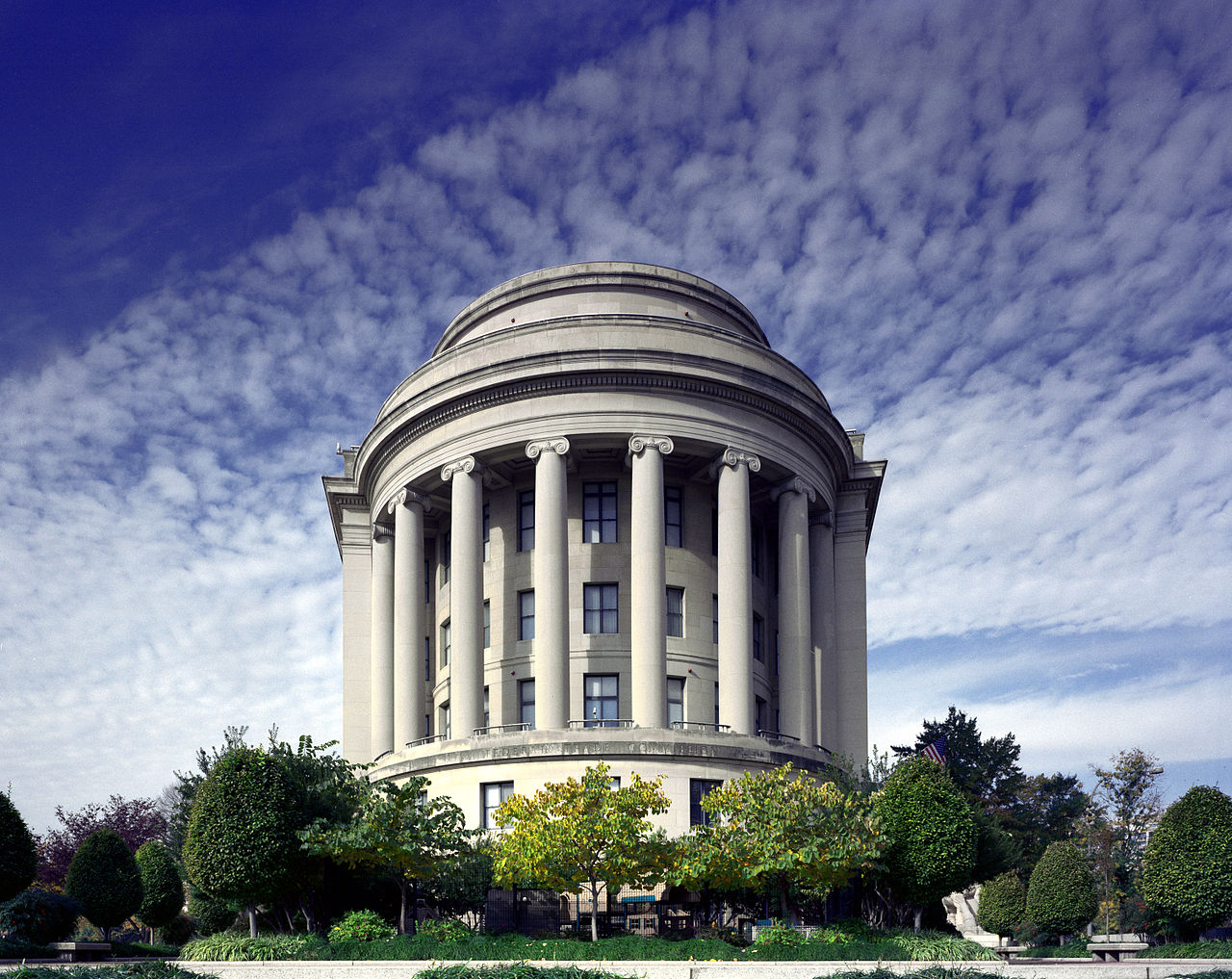
The Federal Trade Commission has targeted Colorado's artificial intelligence law in a proposed policy statement arguing that state mandates forcing AI companies to alter their systems' outputs for ideological purposes could violate federal consumer protection law.
The nine-page document, approved 2-0 on July 1, singles out Colorado's revised Artificial Intelligence Act as a statute that could coerce developers into deceptive practices.
This FTC action marks the latest escalation in the Trump administration's federalism battle against state-level AI regulation. The agency is wielding consumer protection law to challenge what it calls ideologically driven state statutes.
The policy statement is not an independent regulatory move. It executes a direct White House order, backed by a historic Department of Justice constitutional challenge to Colorado's law.
The FTC statement argues that state-imposed output manipulation constitutes consumer deception under Section 5 of the FTC Act. The commission has opened a public comment period running through July 31.
"The FTC wants to hear from businesses and consumers about their experiences and concerns regarding the subversion of AI systems for ideological ends," said FTC Chairman Andrew N. Ferguson.
The move fulfills Executive Order 14365, signed by President Trump on Dec. 11, 2025. That order specifically directed the FTC to issue guidance on how state AI laws requiring alterations to model outputs interact with federal consumer protection law.
Colorado's original AI law was named in the executive order as an example of excessive state regulation that may "force AI models to produce false results."
The administration's campaign reached its legal peak on April 24 when the Justice Department intervened in xAI's lawsuit against Colorado's original AI law. This marked the first time the federal government has sought to invalidate a state AI law.
Assistant Attorney General Harmeet K. Dhillon characterized the Colorado law as requiring AI companies to "infect their products with woke DEI ideology."
"Laws that require AI companies to infect their products with woke DEI ideology are illegal," Dhillon stated in a DOJ press release.
Assistant Attorney General Brett A. Shumate added that "America's success in the AI race will depend on removing barriers to innovation."
The FTC's legal theory rests on consumer expectations. The statement contends that AI companies have marketed their products as tools designed to produce the best, most accurate output possible.
Consumers now trust these systems for medical questions, financial advice, and everyday guidance. If a company secretly steers outputs toward undisclosed ideological objectives, the FTC argues that mismatch constitutes deception under Section 5.
"A company could be tempted, for example, to abuse consumer trust by training a model surreptitiously to produce ideologically motivated distortions in a response to a factual question, such as to correct what the developer believes are 'historical injustices' in the facts," the FTC statement asserts.
Colorado has already moved to defend its regulatory authority. The state repealed and replaced its original AI law, SB 24-205, with SB 26-189, which cleared the House 57-6 on May 9. Governor Jared Polis signed the revised law on May 14.
The new statute replaces the original's duty-of-care and discrimination impact assessment requirements with a disclosure and transparency framework taking effect Jan. 1, 2027.
"The real effect of this statement is signaling and pressure, not legal preemption, especially paired with the December executive order's AI litigation task force," said Noah M. Kenney, founder of Digital 520.
The FTC acknowledges that Colorado "materially revised" the law. A footnote in the statement notes the new version "poses many of the same concerns" as the original. A federal judge granted a stay of enforcement on April 27, 2026.
State-level momentum makes federal pushback urgent for the administration. As of July 1, states have enacted 109 AI laws and 28 data center laws. Twenty-nine states enacted AI legislation this year, with 2,191 AI bills published in 2026.
Illinois Governor JB Pritzker signed S.B. 315 on July 6, making Illinois the first state to require annual independent third-party audits of frontier AI models.
"Just the fact that companies could be tweaking their models and that could lead to a deceptive trade practice, I think is huge news," said Tyler Thompson, a Denver-based lawyer with Reed Smith.
This remains a proposed policy statement, not a final rule or enforcement action. The FTC seeks public comment through July 31.
The signal is unambiguous. The Trump administration is building a multi-pronged case to establish federal supremacy over AI policy and preempt a state regulatory landscape it views as ideologically compromised.
The stakes crystallize a fundamental question: who controls the rules governing the most transformative technology of our era? State legislatures responding to local concerns or Washington?
The first AI Litigation Task Force filing is expected later this year. Colorado stands among the likeliest targets.