ICE Enforces Immigration Law During World Cup in Kansas City
Federal agents arrested at least 30 Kansas City residents during the FIFA World Cup, as the Trump administration maintains border security remains a priority regardless of international events.
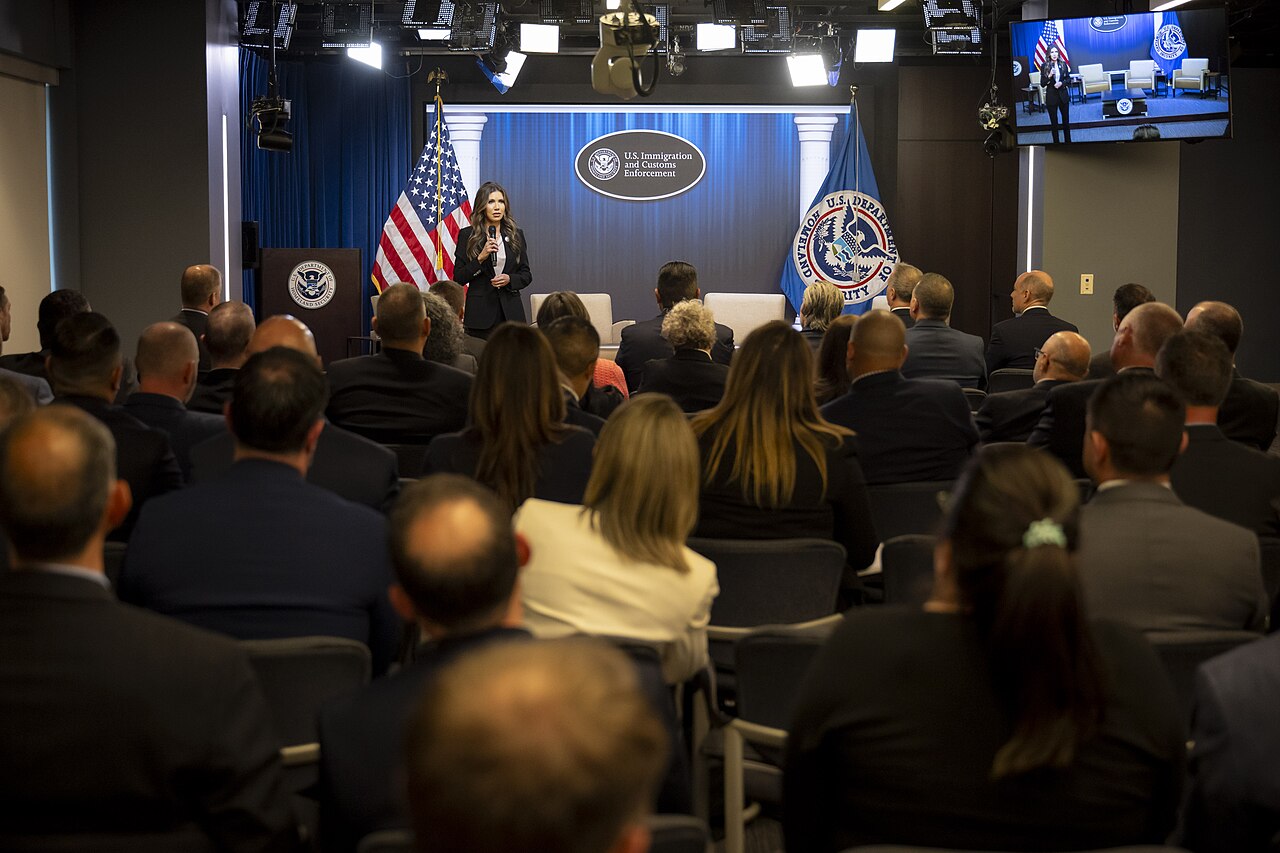
Federal immigration agents arrested at least 30 Kansas City metro residents between June 15 and July 3 during the FIFA World Cup. The operations across Wyandotte County, Johnson County and Northeast Kansas City confirmed the Trump administration applies immigration law consistently. Border security remains a priority even during global spectacles that previous administrations would have treated as sanctuary periods.
ICE officials warned months ago that enforcement targets would be determined by immigration status alone. "What makes someone a target for immigration enforcement is whether or not they are illegally in the U.S. — full stop. Speculation to the contrary is ill-informed," the agency stated in May to the Kansas City Star. Andrew Giuliani, head of the administration's World Cup task force, reinforced this position June 16. He told the newspaper ICE would maintain presence at all matches, just as they do for Super Bowls. "We are not going to allow bad actors to access the country under the excuse of a soccer tournament," he said.
The La Fontanella Foods operation on July 9 illustrated this consistent approach. Federal agents detained six to eight workers at the Northeast Kansas City food manufacturing warehouse. ICE spokesperson Robert Hughes described the action as executing a federal criminal search warrant. Witnesses and employees reported never seeing the warrant. The FBI declined comment on the investigation. Jackson County Sheriff Darryl Forte later insisted the operation "was not an immigration raid" in a Facebook post.
Kansas City's enforcement formed part of a national surge. ICE arrested 10,000 people nationwide over five days in late June. Top officials received instructions to put 80 percent of officers on arrest operations. The directive maintained a White House standard of 2,000 arrests per day. The scale reflected systematic enforcement rather than isolated incidents.
The $70 billion Secure America Act signed June 10 provides the legal and financial foundation for this sustained push. The legislation allocates $38.5 billion to ICE through fiscal year 2029. It includes $350 million specifically for enforcement in non-cooperating jurisdictions. Kansas became the second state to sign a 287(g) agreement with the Department of Homeland Security in February 2025. The agreement authorizes state law enforcement to assist with immigration enforcement.
As of July 2, ICE had signed 2,070 Memoranda of Agreement covering 39 states and two territories. The network includes 76 law enforcement agencies across Kansas and Missouri. Kansas House Bill 2372, effective July 1, grants officers discretionary arrest power for anyone who distracts them from duties. The law creates a 25-foot buffer zone that applies to ICE agents.
Immigration enforcement operated alongside community protection missions during the World Cup period. Homeland Security Investigations Kansas City rescued eight missing children. Agents identified nine human trafficking victims and arrested 14 suspects between June and early July. Jason Grouix, 50, faces charges of attempted enticement of a child and attempted possession of child pornography. Curtis Ray Gibson, 47, faces attempted sex trafficking charges.
HSI agents also confiscated more than $435,000 in counterfeit World Cup merchandise. "We have people working seven days a week, 12 to 16 hours a day. But we get the mission done," said Acting Special Agent in Charge Rick Sabatini of HSI Kansas City.
Local officials declared opposition to the federal approach. Mayor Quinton Lucas stated Kansas City would not participate in "immigration acquisition." He confirmed the Kansas City Police Department does not cooperate with ICE on immigration enforcement. "Federal immigration authorities should not create chaos and fear in American cities during the World Cup or at any time," Lucas said July 8.
Kansas City, Kansas Police Department similarly stated ICE "will not assist with police patrols in KCK." The Advocates for Immigrant Rights and Reconciliation issued a community advisory warning of heightened enforcement during the tournament.
Community members documented increased activity. "They've been terrorizing our neighborhood, pulling over people in work trucks, anyone who's brown, on Truman, on Ninth," said Benjamin Roesler, a community response network member. Tyra Chantelle of the KC Community Defense Coalition confirmed 30 arrests between June 15 and July 3. She noted enforcement "really amped up, which it is typical to see ICE activity ramp up in the summertime."
The enforcement surge produced tangible consequences. Immigration attorney Scott Girard said CoreCivic's Leavenworth detention center took in almost 1,000 new inmates over two to three weeks. Cases that typically take years to prepare now face two-week windows between hearings. "There are a lot of people who give up instead of waiting in jail," Girard said.
Wyandotte County, where many arrests occurred, has a population that is approximately 36 percent Hispanic or Latino according to 2024 Census data. Johnson County stands at 29.9 percent Hispanic or Latino.
The operations contrast with approaches from previous administrations that would have declared sanctuary policies during major international events. The Trump administration's consistent application of immigration law during the World Cup demonstrates that enforcement priorities remain unchanged by global spectacles or political pressure. Families caught in these operations now face the reality that the rule of law does not pause for world events.