Kennedy Moves to Create Official COVID-19 Vaccine Injury Table After Years of Inaction
Health Secretary Robert F. Kennedy Jr. will establish an official government table of injuries linked to COVID-19 vaccines, fulfilling a 2005 mandate that previous administrations ignored while pharmaceutical liability protections remained in place.
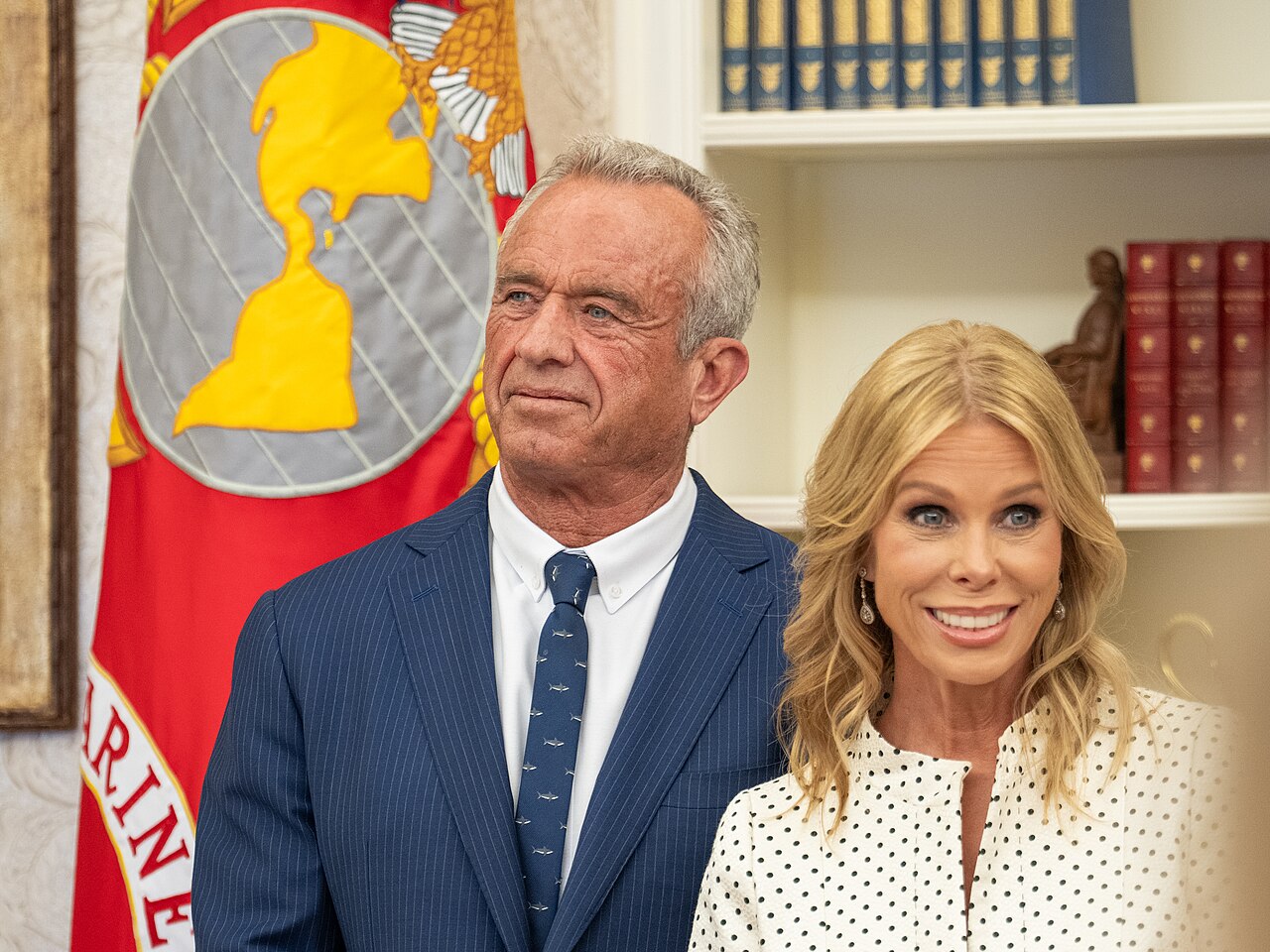
Thousands of Americans who suffered injuries from COVID-19 vaccines navigated a broken compensation system for years, denied recourse while pharmaceutical companies enjoyed liability protection. Health Secretary Robert F. Kennedy Jr. is now moving to change that.
Kennedy announced plans to establish an official government table of injuries linked to COVID-19 vaccines. The move fulfills a six-year statutory mandate that previous administrations ignored while the PREP Act shielded manufacturers from lawsuits through 2029.
The Department of Health and Human Services will publish a proposed rule in November 2026 creating the injury table through the Countermeasures Injury Compensation Program. The action implements a 2005 law requiring the health secretary to establish a table identifying covered injuries presumed to be directly caused by vaccine administration.
Former administrations never created such a table despite administering more than 670 million COVID-19 doses. The absence left injured claimants without a recognized pathway to compensation.
The CICP's record tells a stark story. The program compensated 60 COVID-19 vaccine injury claims out of 7,407 decided claims as of June 2026. It denied more than 98 percent of applications, paying an average of $4,000 to successful claimants. Only three death benefits have been awarded since the pandemic began.
"There is no court, judge, record, due process or right of appeal to the courts," said Altom Maglio, an attorney with mctlaw who has filed lawsuits on behalf of vaccine injury victims. "The CICP was never intended to handle something like the COVID vaccine. It should never have been the only avenue for people injured by the COVID vaccine to obtain compensation."
Critics argue the program's structure makes fair compensation nearly impossible. Unlike the National Vaccine Injury Compensation Program, which operates through the U.S. Court of Federal Claims, the CICP functions entirely within HHS. Claimants must file within 12 months of injury. Compensation caps at $50,000 annually for lost income and a $370,000 death benefit, with no payment for pain and suffering or legal fees.
The program dismissed 2,590 claims for missing deadlines and 2,636 for incomplete medical records.
The Biden administration extended pharmaceutical liability protections under the PREP Act until December 2029 while declining to create the mandated injury table. Under that shield, injured individuals could not sue vaccine manufacturers and had to navigate the CICP. In May 2025, HHS argued in court it could not add COVID-19 vaccines to the VICP until Congress authorized a 75-cent excise tax per dose.
"The Secretary's failure to act is not based on a valid interpretation of the law, but on a refusal to comply with it," said Paul Brundage in his original complaint.
Kennedy's proposal marks a dramatic policy reversal. Since taking office, he has called the VICP "a morass of inefficiency, favoritism, and outright corruption." He replaced every member of the CDC's Advisory Committee on Immunization Practices and reinstated a childhood vaccine safety task force that had been inactive for nearly 30 years. His administration also narrowed COVID-19 vaccine recommendations from universal to individual-based decision making.
Vaccine injury advocates have long pressed for recognition of adverse reactions. The Informed Consent Action Network petitioned HHS in March 2026 to add more than 300 injuries to the Vaccine Injury Table, which currently lists only 47. ICAN attorney Aaron Siri, Kennedy's former campaign lawyer, said the petition was filed "without any coordination with anyone inside the federal government."
"I have no doubt RFK Jr. wants to update the table and the only reason he wouldn't is because the White House won't let him," Siri posted on X in March.
Political tensions emerged within the administration itself. Robert Malone, appointed ACIP vice chair by Kennedy, resigned in March 2026 citing internal disputes, a feud with HHS staff, and "drama." He later discussed the White House's strategic retreat from vaccine skepticism ahead of the midterms in a podcast with the Informed Consent Action Network. Malone said a White House adviser ordered Kennedy to "shut down" discussions about vaccines.
The CICP's limitations become stark when compared to other programs. "The swine flu vaccine had 30 payments totaling $6,080,840.98 for approximately 72-81 million recipients," said Wayne Rohde, author of "The Vaccine Court." "For the COVID-19 shot, the total payout to 51 people has been only $6,940,169.12." The VICP, by contrast, has awarded $5.4 billion since 1988 and compensates 48 percent of adjudicated claims.
Dr. Joel Wallskog, an orthopedic surgeon and React19 co-chair who suffered transverse myelitis from a COVID vaccine, called the CICP "a failed program." He noted its "staggering denial rate exceeding 98 percent" and said, "These are not isolated administrative issues. They are evidence of a system designed to fail the very people it was created to help."
Even pharmaceutical industry representatives acknowledge the proposed table's potential benefit. "An injury table would help people injured by vaccines apply successfully to the congressionally created program," wrote Aaron Siri, an attorney with the Informed Consent Action Network.
HHS described the initiative as restoring transparency. "Under the leadership of Secretary Kennedy, HHS is restoring transparency and accountability because the American people deserve clear, evidence-based information about both the benefits and the known risks associated with medical countermeasures," a spokesperson said in an email.
The numbers underscore the scale of the problem. COVID-19 claims constitute 96 percent of all CICP filings. The program has processed $6.9 million in compensation for COVID-19 vaccine injuries since its inception. The VICP has distributed $5.4 billion over 38 years.
The formal rule will undergo public comment after Federal Register publication in November. Advocates await details of which injuries will appear on the table. "I supported the plan but I'm watching to see what details are included, including the covered injuries," said Erica Samp, who describes herself as a COVID vaccine injury victim.
Kennedy's move represents the first formal creation of a government injury table for COVID-19 vaccines, building on prior acknowledgments by federal health agencies. For thousands of Americans denied compensation under a system critics call fundamentally broken, it offers a potential pathway to recognition that previous administrations refused to provide.