Mamdani's No-Sweep Policy Creates 12-Block Crime Zone in Manhattan
A sprawling homeless encampment on Manhattan's West Side thrives under Mayor Mamdani's ban on police sweeps, turning 12 blocks into a crime zone that threatens tourism and public safety.
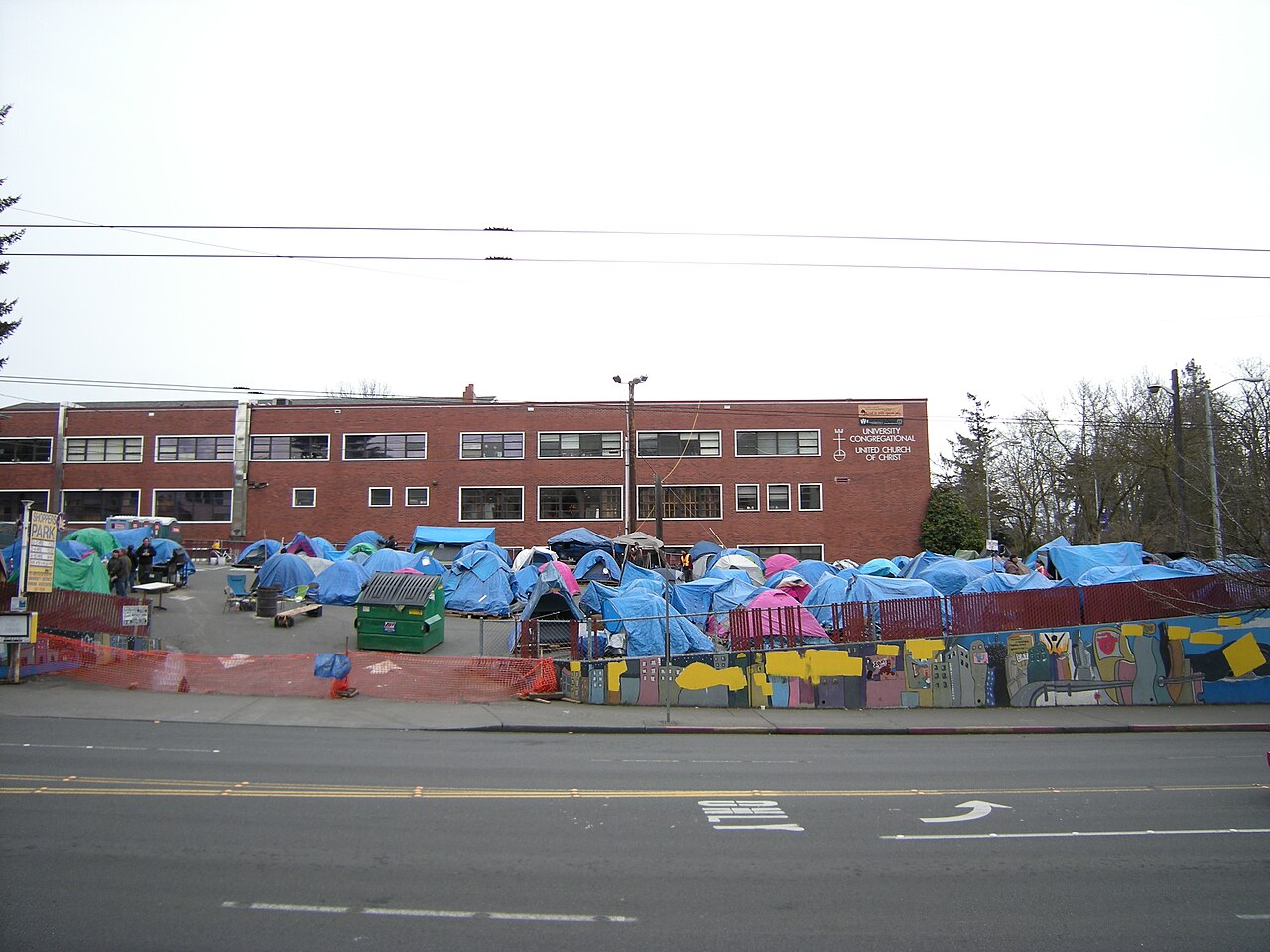
A lawless homeless encampment now sprawls across 12 blocks of Manhattan's West Side, operating without consequence under Mayor Zohran Mamdani's ban on police sweeps. Drugs, prostitution and theft have taken root near the Intrepid Museum, one of New York's premier tourist destinations. Local workers report stolen Broadway theater lights, high-end telescopes and furniture openly displayed by encampment residents.
The zone stretches from 34th to 46th Streets along 11th Avenue. Heroin addicts and prostitutes now populate the area, while theft has become routine. Mamdani's shift from enforcement to "compassionate" outreach has produced the urban decay conservative critics warned about. Housing-first policies have failed, and public safety has given way to political optics.
City 311 complaints in the area jumped from 40 in 2025 to 48 this year. Residents made 30 calls in June alone. Despite complaints filed on July 1, 5, 6 and 8, the encampment remains. Mamdani's seven-day outreach policy, implemented after he reversed his initial no-sweep campaign promise, has not worked.
"We can't get rid of them," a city parks enforcement officer told the New York Post. "These ones here are stealing everything. They stole our key for the hose. They stole our ladder. They take what they can. And there are escorts in there too. Prostitutes. I see them, they're right there."
Mamdani paused all homeless encampment sweeps when he took office in January. The move ended a signature initiative of his predecessor, Eric Adams. The mayor reversed course on Feb. 18 after 19 people died outdoors during a Code Blue cold snap. He added a seven-day outreach requirement before sweeps could resume, though the clearance policy has proven ineffective.
Sanitation workers now provide what residents call "maid services for the homeless." The NYPD remains barred from intervention.
"The NYPD has not been given the green light to clean this encampment up, but we are ready to do so," an NYPD spokesperson confirmed July 12.
The policy reversal appears designed to preserve Mamdani's "compassionate" brand without solving the crisis. The Coalition for the Homeless condemned the move as "another broken promise" during February's announcement. Homeless advocates also criticized the administration for abandoning campaign pledges.
Hard evidence reveals the structural flaws in both current and previous policies. Of 3,500 people moved from encampments between January and September 2024 under Adams, only 114 entered shelters and 0 received permanent housing, according to a March 2025 Gothamist investigation. City Comptroller Brad Lander's 2023 audit of Adams-era sweeps concluded they "completely failed," with only 119 of 2,308 individuals accepting temporary shelter during operations.
Tourism officials warn the encampment threatens New York's economic recovery, especially during FIFA World Cup promotions. The Intrepid Museum parking lot remains closed due to constant littering. Visitors must navigate squalid conditions.
"The Intrepid Museum is one of New York's greatest tourist attractions, drawing millions of visitors each year," said Cristyne Nicholas, chair of the New York State Tourism Advisory Council. "Tourists are forced to walk around squalor and stench. I hope the mayor focuses on this, as he's promoted tourism during the World Cup."
Local workers describe scenes of degradation and fear. A Javits Center supervisor called 36th and 37th Streets "the scariest parts" because "it's just heroin addicts." A maintenance worker said the area "stinks" and grows worse daily. A food cart owner questioned how anyone could eat nearby with "smelly, dirty, nasty, crusty, disgusting" conditions on every corner.
"Most people would agree that leaving people on the street indefinitely isn't compassion, it's neglect," said Steve Fulop, president and CEO of the Partnership for the City of New York. "We've seen in cities like Los Angeles and San Francisco that letting encampments grow unchecked fails the homeless and erodes quality of life for everyone else."
Some homeless residents praise Mamdani's approach. "Mamdani is awesome," said Markus C., an encampment dweller on West 40th Street. "He did a whole paradigm shift on homelessness and care. Since Mamdani got into office in January, I noticed that it's a lot more outreach workers instead of sending police officers."
When pressed about the Intrepid encampment at a July 13 press conference, Mamdani offered vague promises. "We are focused on connecting New Yorkers to shelter and on establishing a pipeline to stable housing, not just moving New Yorkers from one place to another place," the mayor said. "To this specific encampment that you brought up, we're going to look into the details of that."
The West Side crisis reflects a national pattern of progressive homelessness policy failures. Los Angeles's "Inside Safe" program served approximately 6,000 people, with 42 percent returning to the streets. San Francisco's tent count reached its lowest level since the pandemic through confiscation rather than housing solutions. Skid Row's murder rate runs 17 times higher than Los Angeles citywide, according to 2024 data.
Citywide homeless encampment complaints increased 12 percent to an average of 4,000 calls per month through December 2025, according to state comptroller data. That represents roughly 48,000 calls annually. The Intrepid encampment reflects broader urban decay fueled by policies that prioritize political posturing over practical solutions. Vulnerable populations remain on the streets. Taxpayers foot the bill for deteriorating public spaces.