WHO Pandemic Treaty Threatens National Sovereignty, Experts Warn
Global health experts warned Australian lawmakers this week that the World Health Organization's expanded pandemic treaty powers pose a direct threat to national sovereignty and democratic health policy decisions.
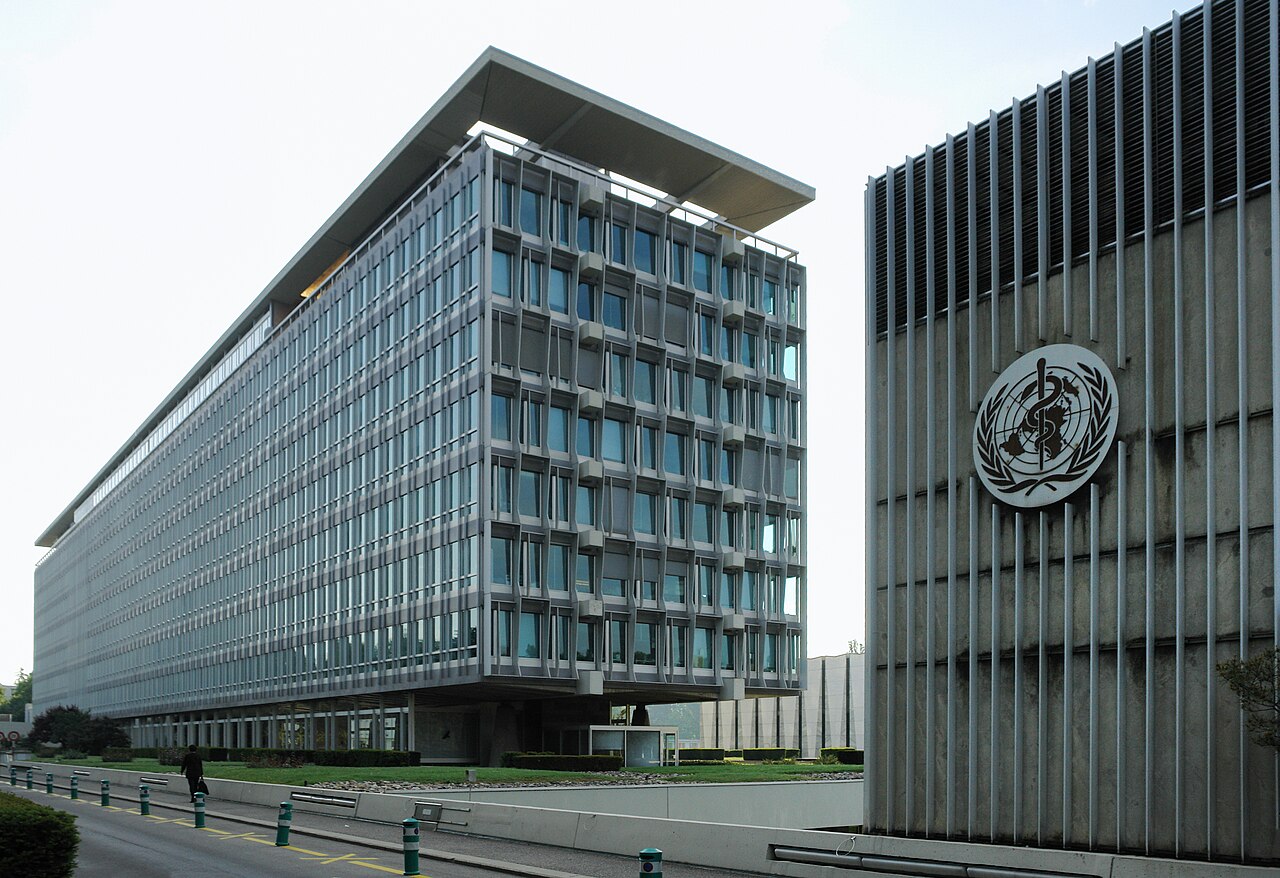
Global health experts warned Australian lawmakers this week that the World Health Organization's expanded pandemic treaty powers threaten national sovereignty. The new frameworks create a centralized governance structure capable of overriding democratic health policy decisions, experts said. Emeritus Professor Ramesh Thakur and former WHO medical officer Dr. David Bell told a parliamentary briefing that the agency's authority now rests on donor-driven funding that prioritizes pandemic preparedness over endemic diseases killing millions.
The World Health Organization's expansion of authority through its pandemic treaty and revised regulations represents a fundamental shift in global health governance. The new system empowers unelected experts and private donors to supersede national decision-making. This transformation emerged as the central warning from the International Health Reform Project briefing convened by Liberal Senator Alex Antic at Parliament House in late June.
"Don't leave it to the experts," Thakur told representatives from both houses of parliament. "That is a criminal abdication of your responsibility as governments." The former United Nations assistant secretary-general, now co-chair of the IHRP, argued that WHO's mission has shifted from serving global health outcomes to "growing their own power, growing their own resources, growing their own authority."
The legally binding WHO Pandemic Agreement adopted in May 2025 and amended International Health Regulations that entered force last September grant the Director-General expanded powers to declare emergencies and coordinate global responses. These frameworks establish a supranational architecture capable of effectively overriding national borders and domestic health policy decisions during declared health emergencies.
The IHRP's comprehensive 500-page report warns that authority without legitimacy invites non-compliance, fragmentation, and polarization. Professor Garrett Wallace Brown noted that WHO funding has flipped from assessed member contributions to over 80 percent voluntary, earmarked donations dominated by private interests.
"The largest donors are now private, followed by private/public partnerships," said Dr. Bell, who served as a WHO scientific officer before joining the IHRP. "Over 80 percent of this funding is also 'specified' funding." A 2025 BMJ Global Health study confirms the Bill and Melinda Gates Foundation contributes 9.5 percent of WHO's total revenues, with 82.6 percent of its grants directed to infectious diseases rather than chronic conditions.
This funding skew creates a dangerous misalignment between WHO priorities and actual global health burdens. Australia's own health data shows dementia and Alzheimer's disease killed 17,550 people last year, while ischemic heart disease claimed 16,326 lives. COVID-19 ranked just 12th among national killers with 4,029 deaths.
"The WHO has become detrimental to improving global health outcomes, not really a health organisation at all," said Rt Hon Esther McVey MP, Vice Chair of the UK All-Party Parliamentary Group on Pandemic Response and Recovery, which hosted the IHRP in May. "It seems the WHO is now obsessed with pandemics and producing 100 day vaccines, when actually this accounts for a relatively small share of global mortality."
The Canberra briefing validates concerns that prompted the United States to withdraw from WHO in January. The Trump administration's official exit cited the agency's "strayed from its core mission and has acted contrary to the U.S. interests in protecting the U.S. public on multiple occasions." The move completed a process initiated by Executive Order 14155 signed on January 20, 2025.
"The WHO has a legitimacy problem," said Dr. David Bell, former WHO scientific officer and IHRP panel co-chair. "Global health governance has drifted too far from its founding principles and we now have mission creep, centralisation justified by emergency framing, rigidity and high levels of earmarked and non-state funding."
WHO's voluntary contributions now stand at 87 percent specified for specific projects, according to the agency's own 2022-2023 data. Only 6.6 percent of voluntary funding comes as core contributions that WHO can allocate freely. This donor-driven model means priorities follow funding rather than need, with polio eradication receiving 58.9 percent of Gates Foundation grants while non-communicable diseases receive less than 1 percent.
Australia has committed $235 million to WHO for 2023-2026 and enthusiastically welcomed the Pandemic Agreement adoption last May. The Australian Centre for Disease Control, established recently, represents the kind of national infrastructure that could be superseded by WHO's expanded emergency powers.
Negotiations on the Pathogen Access and Benefit Sharing annex remain deadlocked, with talks extended to May 2027 despite WHO Director-General Dr. Tedros Adhanom Ghebreyesus warning that "the next pandemic is a matter of when, not if." The PABS system represents one of the treaty's most contentious elements, creating a framework for mandatory sharing of pathogen samples and benefits.
The Australian government did not respond when contacted about sovereignty concerns raised during the briefing. Both the Department of Foreign Affairs and Trade and the Department of Health Care and Ageing failed to respond to inquiries.
As WHO undergoes leadership transitions and the pandemic treaty implementation continues, experts warn that national sovereignty faces unprecedented threats from supranational health governance structures. "International cooperation in health remains important," Dr. Bell concluded, "but cooperation is strongest when it is transparent, accountable, and commands public trust."