Google Seeks EPA Permission to Release 64 Million Mosquitoes Without Community Consent
Google is petitioning the EPA to release 64 million lab-bred mosquitoes across California and Florida. The public comment period closes June 5, but residents say no one has asked them.
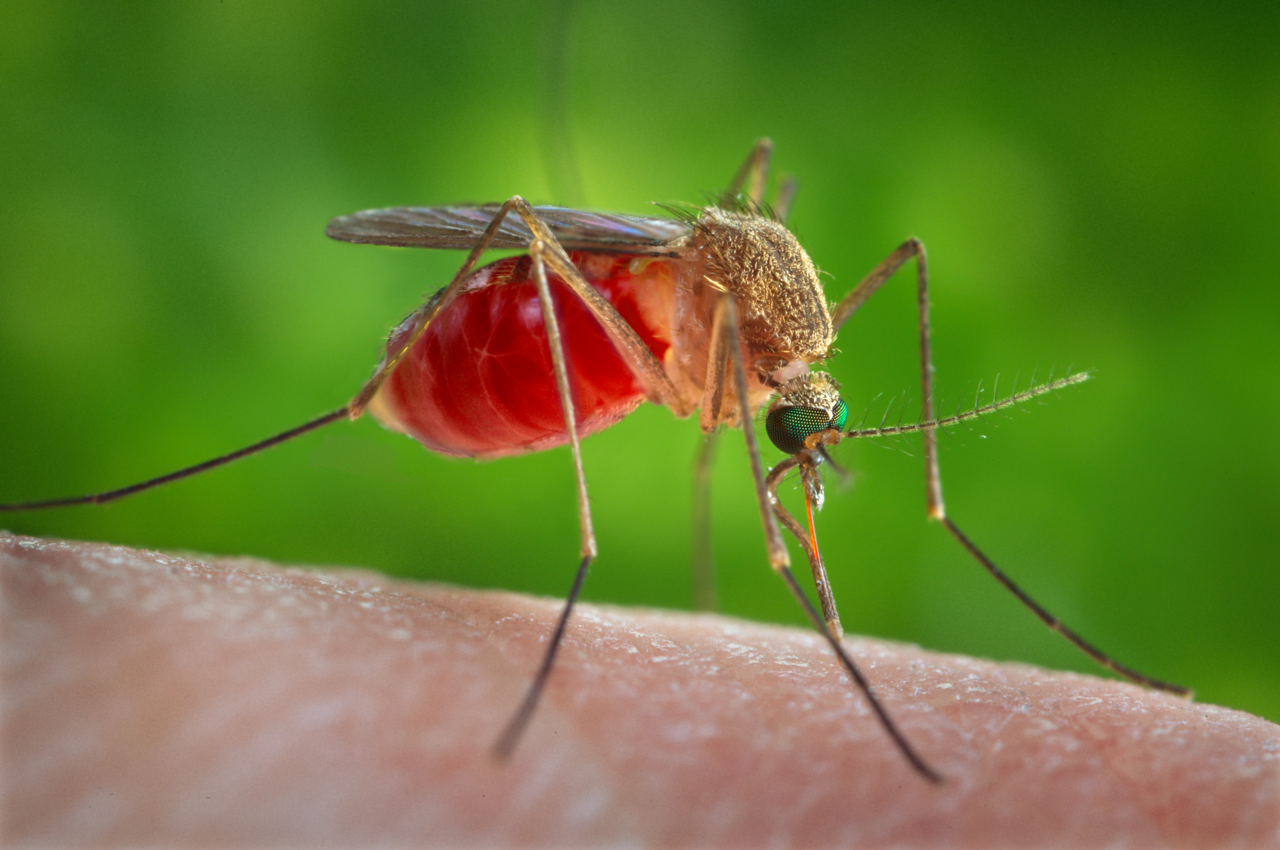
A for-profit tech company is asking the Environmental Protection Agency for permission to release 64 million mosquitoes across California and Florida. Google LLC filed an experimental use permit to alter ecosystems in two states, and no community has been asked for permission. The public comment period closes June 5.
Google LLC, the Mountain View-based search engine and advertising giant, filed an experimental use permit with the EPA to release up to 64 million lab-bred male mosquitoes over two years. The proposal, filed under EUP number 92643-EUP-R in docket EPA-HQ-OPP-2025-3951, targets Culex quinquefasciatus mosquitoes, primary carriers of West Nile virus. Google lists its California headquarters as the named applicant — not a government body, not a local health department, not a community organization.
The EPA determined the permit may be of "regional and national significance," triggering a public comment requirement that ends June 5. Google proposes releasing up to 16 million mosquitoes in each state each year, totaling 64 million over two years. The application reached the EPA on June 27, 2025, but no specific release locations appear in the Federal Register notice or Google's public statements.
The mosquitoes carry Wolbachia pipientis wAlbB, a naturally occurring bacterium found in 40 to 60 percent of all insect species. When Wolbachia-infected males mate with wild females lacking the same strain, the eggs fail to hatch through cytoplasmic incompatibility. Only male mosquitoes are released; they feed on nectar and cannot bite. Debug states the method involves no genetic modification, chemicals, or toxins.
Debug's technology relies on AI-powered computer vision for sex sorting, end-to-end robotic rearing systems, and vehicle-based automated release platforms. The World Mosquito Program/Debug alliance press release from March 5, 2025, explicitly states Debug's technology includes "data surveillance" components. Google — a company whose business model centers on collecting and monetizing data — deploys systems that track and monitor the environments it touches. This represents not a laboratory science experiment but an AI-driven ecological intervention managed by a data extraction company.
Debug launched in 2016 through Verily, formerly Google Life Sciences. Google fully acquired Debug from Verily in December 2024. Debug claims to have released over 1 billion mosquitoes across four continents. In Fresno, California, between 2017 and 2019, Debug released approximately 48 million sterile male mosquitoes and achieved a 95.5 percent decrease in Ae. aegypti populations at test sites, results published in Nature Biotechnology in April 2020. In Singapore, Debug cites data from the National Environment Agency showing 80 to 90 percent suppression of Aedes aegypti populations and over 70 percent reduction in dengue incidents after six to 12 months of releases.
West Nile virus remains the leading cause of mosquito-borne disease in the contiguous United States, killing more than 130 Americans and causing severe illness in over 1,300 each year, according to the Centers for Disease Control and Prevention. A positive West Nile sample was confirmed in a mosquito in Riverside County, California, in late May 2026. Debug's proposal specifically targets Culex quinquefasciatus, the primary vector. "Obviously, West Nile is a problem," Eric Caragata, assistant professor at the University of Florida's Florida Medical Entomology Laboratory, told the Palm Beach Post. "That's a big reason for targeting it." The Sterile Insect Technique has been used since the 1950s against agricultural pests including the New World screwworm, which was eradicated from North America.
The EPA registered a similar Wolbachia-based product — WB1 Males, Wolbachia wAlbB in male Aedes aegypti — on April 12, 2024, under FIFRA Section 3(c)(5). Seventeen public comments were received, all supporting registration. The EPA's 2024 risk assessment concluded negligible risk to human health and environment, classified the product as "practically non-toxic" (Toxicity Category IV), and made a "No Effect" determination under the Endangered Species Act. The EPA requires a female contamination rate of no more than 1 in 250,000 males. Debug's 2026 proposal is larger in scale and targets a different species, Culex rather than Aedes aegypti.
Google has not named specific release locations. Debug states on its website that it "look[s] forward to working with communities," but no details have been provided about which communities have been contacted, by whom, or what the engagement process entails. Rep. Tim Burchett (R-Tenn.) questioned the proposal on X on May 31, 2026: "Why does Google have 32 million mosquitos? Have we not learned our lesson with Kudzu, Sparrows, Black Birds, Asian Carp? Should I go on? Don't mess with the balance of nature." Brent Nye, a Florida resident, told Tampa Bay News, "I find the idea interesting but I'm not sure I want it in my backyard. I would rather they experiment on some other state."
The EPA comment period closes June 5, 2026. Anyone can submit comments through regulations.gov using docket number EPA-HQ-OPP-2025-3951. After that, the EPA will decide whether to grant, deny, or condition the experimental use permit. Google has not responded to requests for comment. The fundamental question remains: when a for-profit tech company decides to alter an ecosystem, who gets to say yes?