Catholic School in Pilgrimage Town Assigns Students to Design 'Inclusive Brothel'
A Catholic high school in Germany's most historic pilgrimage town tasked 13-year-olds with designing an inclusive brothel, sparking outrage over progressive sexual education in religious schools.
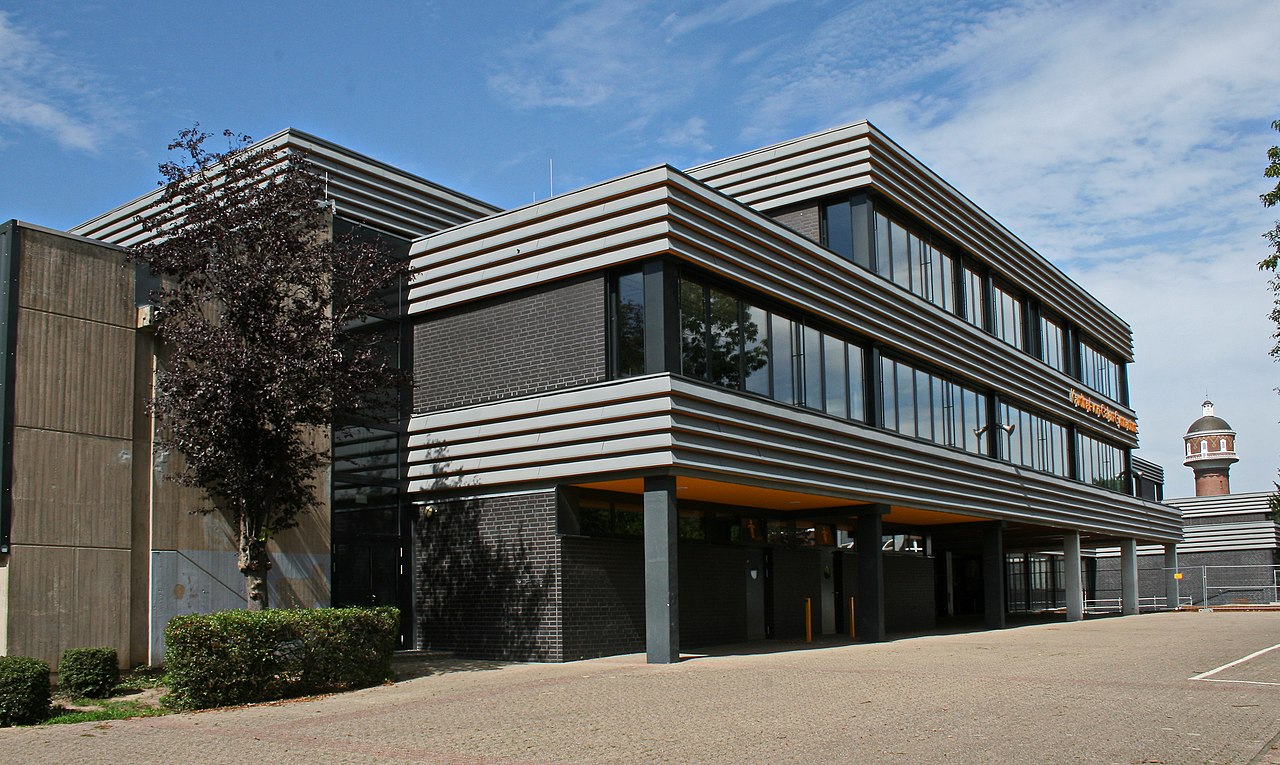
A Catholic high school in Germany's most historic pilgrimage town has assigned 13-year-old students to design an "inclusive brothel" accommodating all sexual preferences, exposing the collision between progressive sexual education and traditional religious values.
Eighth-grade students aged 13 to 15 at Kardinal-von-Galen Gymnasium in Kevelaer received the assignment in mid-May. The three-page worksheet, titled "Puff für alle" (Brothel for All), required them to modernize a brothel floor plan to serve "all sexual preferences," determine advertising strategies, and outline the skills sex workers need to satisfy "all kinds of people."
Kevelaer is a town of 28,000 that draws over 1 million Catholic pilgrims each year to its basilica. The radical exercise directly contradicts the conservative religious values at the heart of Germany's largest Catholic pilgrimage site in northwestern Europe.
Headmistress Christina Diehr defended the assignment to WDR on May 21. She called it "deliberately designed to be provocative in order to stimulate discussion" and said the material "responds to developments in our society with a diversity of lifestyles and gender roles."
The worksheet comes from Professor Elisabeth Tuider's textbook "Sexualpädagogik der Vielfalt." Tuider's theoretical framework traces back to Helmut Kentler, founder of "emancipatory sexual pedagogy." Kentler belonged to groups advocating normalization of adult-child sexual relationships.
The NRW Education Ministry, led by CDU Minister Dorothee Feller, declared the material "not suitable for classroom use" on May 22. The ministry took no disciplinary action against the school. Officials said the Düsseldorf Regional Government would review the case.
Mayor Dominik Pichler dismissed the public outcry in an interview with Rheinische Post on May 22. He called the approach "provocative and perhaps not entirely without risk" but insisted it was "not a scandal."
The assignment provoked pushback even from within the student body. Eighteen-year-old student Nia criticized it via text message to WDR. "Sex work and brothels factually exist to the disadvantage of women," she wrote. "We must reflect on them and work through their effects, especially in school."
Parents across the region are protesting what they describe as state indoctrination overriding parental rights. The school held talks with families and announced it would not repeat the assignment.
This incident mirrors a broader pattern of German Catholic institutions advancing radical sexual education agendas. The Hamburg Archdiocese unveiled a 33-page sexuality education framework in June 2025 promoting acceptance of all sexual orientations and gender identities.
Three German bishops publicly distanced themselves from the German Bishops' Conference's November 2025 document on "diversity of sexual identities." They called it theologically problematic and a political agenda pushed through despite objections.
Germany legalized prostitution and brothel-keeping in 2002. The Federal Statistical Office reported 2,286 valid permits for prostitution businesses in December 2021, with 93 percent being brothels.
Barbara Schmid, a former Spiegel journalist, told WDR on May 22 that the Kevelaer case should serve as a "wake-up call." She said some in social sciences think it is "absolutely hip and cool and super-feminist to be for prostitution" while ignoring "misery and exploitation."
School pedagogist Marie-Christin Gerwig warned against normalizing sex work in education. "Sex work is a highly problematic area that has a huge connection to the exploitation of women," she told NRZ on May 27.
The textbook containing the assignment, first published in 2004, sparked controversy in 2014 when the "Puff für alle" exercise was exposed. Hamburg's education authorities removed it from recommendation lists at that time.
The German Catholic Church's surrender to woke ideology represents institutional capture by progressive activists. Traditional moral authority has been replaced by radical sexual agendas targeting children under the guise of diversity education.