Trump Administration Delivers Iranian Nuclear Deal
Iran agreed to restore nuclear inspections after 18 hours of talks in Switzerland. The U.S. issued a 60-day oil export license. Markets rallied as American consumers and global trade stood to benefit from the breakthrough.
Iran agreed to invite U.N. nuclear inspectors back into its territory, Vice President J.D. Vance announced Monday, capping 18 hours of high-stakes talks in Switzerland with the first concrete step toward permanently ending Tehran's nuclear weapons program.
Treasury Secretary Scott Bessent issued a 60-day general license authorizing the production, delivery, and sale of Iranian-origin crude oil through Aug. 21.
The Trump-Vance administration achieved in days what four years of Biden inaction could not, securing Iranian agreement to restore IAEA nuclear inspections and open the Strait of Hormuz in exchange for limited sanctions relief.
"The Iranians have agreed to invite IAEA inspectors back into their country," Vance said at the Bürgenstock Resort near Lake Lucerne. "That is a major milestone for the American people."
The breakthrough demonstrates that combining military pressure with direct negotiation produces tangible results where ideological stubbornness fails. Iran's agreement marks the first time inspectors have accessed nuclear facilities since the U.S. strikes on Iranian nuclear sites in June 2025, when IAEA inspectors were barred from main facilities.
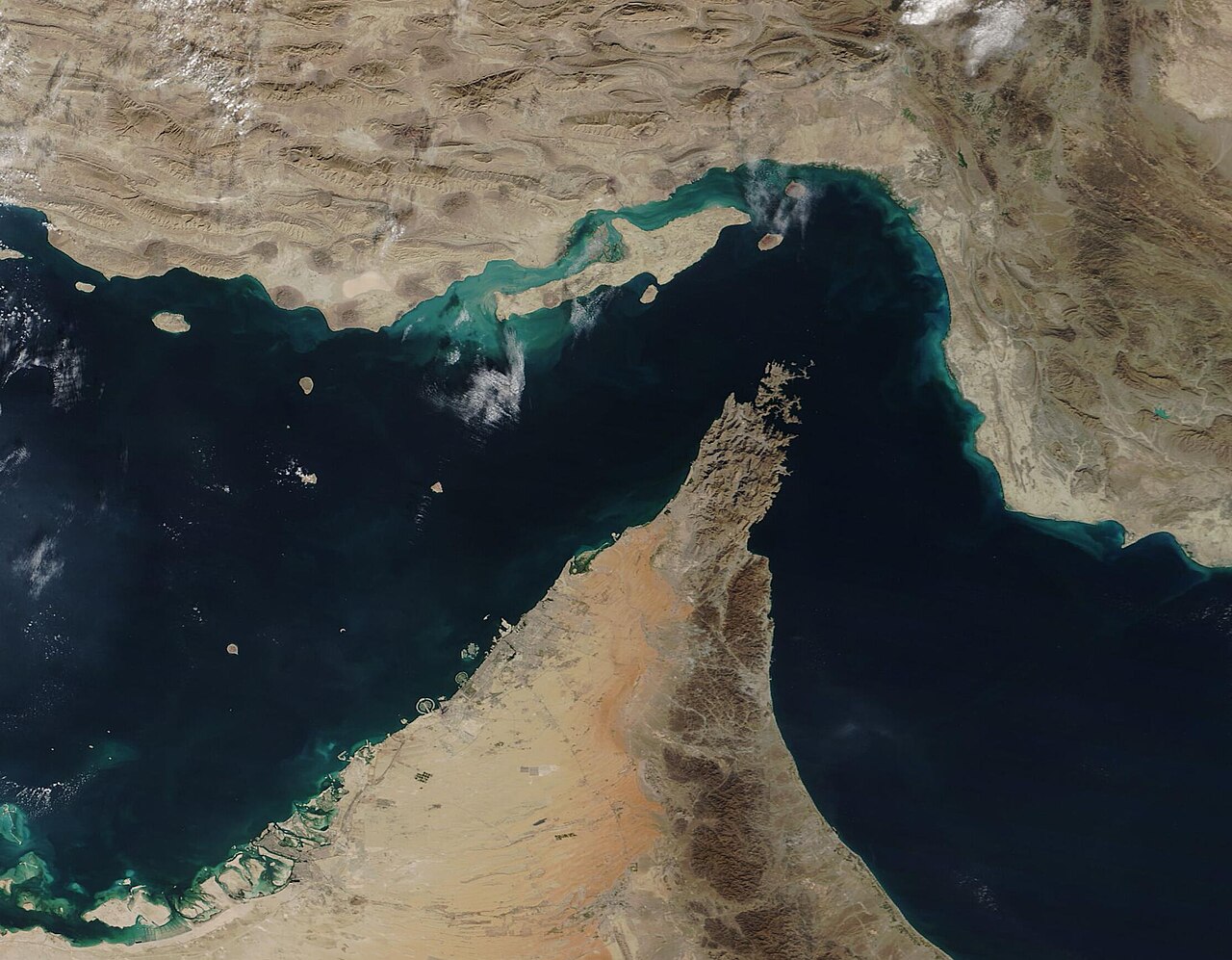
Under the 14-point Islamabad Memorandum of Understanding signed June 17, Iran committed to on-site IAEA inspections, free transit through the Strait of Hormuz for 60 days without charge, and removal of mines within 30 days.
The United States will remove its naval blockade within 30 days and withdraw forces from proximity of Iran within 30 days of a final deal.
"We laid a very good foundation for a successful final deal," Vance stated. "The final deal is the house. We set the foundation."
The 18-hour talks nearly collapsed overnight when the Iranian delegation threatened to walk out after President Trump's social media threats about Hezbollah and Hormuz.
Parliament Speaker Mohammad Bagher Ghalibaf warned, "They would do better to be careful about their statements. Our armed forces are prepared to respond to them in a different manner."
Vance characterized the incident as "a little bit of threatening and a little bit of whining but at the end of the day, the talks continued and we made great progress."
Markets responded immediately to the breakthrough. Brent crude dropped over 3 percent below $77.50 per barrel, while West Texas Intermediate fell 2.77 percent to $73.77.
The Dow Jones Industrial Average surged over 320 points in opening trade. Crude oil prices have fallen nearly 24 percent over the past month, delivering immediate economic benefit to American consumers.
Iran could generate up to $10 billion from just 60 days of oil exports under the new license.
This framework contrasts sharply with the Obama-era JCPOA, which gave inspectors too much notice and too little freedom to inspect suspicious locations.
"Unfettered verification is everything," said Chuck DeVore of the Texas Public Policy Foundation. "There can be no denial for teams to inspect on the ground. Remote, technological means can achieve a lot, but nothing beats in-person inspections."
The IAEA has been unable to verify the status or location of Iran's enriched uranium stockpile since June 2025 strikes — roughly 441 kilograms of uranium enriched to 60 percent, enough for multiple nuclear weapons if further enriched.
The 60-day window for final negotiations began June 17 and expires approximately Aug. 16. Technical talks continue with U.S. leads including Michael Witkoff and Jared Kushner still in Switzerland.
The MoU establishes a High Level Committee with working groups on nuclear, sanctions, and monitoring. Iranian Foreign Minister Abbas Araghchi said mediators have "delivered major progress" to end the Lebanon War, where more than 4,100 people have died.
Republican hardliners immediately criticized the deal's $300 billion reconstruction fund for Iran.
"The $300 billion fund for the reconstruction and economic development of Iran — though not funded by U.S. taxpayers — would make Iran's payoff under President Obama's 2015 deal look like a pittance by comparison," Wicker said.
Sen. Ted Cruz warned, "If we give billions of dollars to Iran, that money will be used to murder Americans."
Iranian Supreme Leader representative Abdollah Haji Sadeghi warned Trump that Iranians would not rest until they had "drowned" him in their "sea of anger."
The fierce opposition from both Republican hawks and Iranian hardliners confirms the deal represents a fundamental shift in approach. The administration's willingness to proceed despite this pressure demonstrates commitment to tangible results over ideological posturing, a hallmark of pragmatic, America-first leadership.
The United States secured nuclear inspections, Hormuz access, and a structured path to a final deal while opening Iranian oil markets to American consumers.
"This is not a deal that the United States is imposing on the region," Vance concluded. "This is a deal that the region has desperately asked the United States to put in place."
The 60-day roadmap establishes a structured path from wartime emergency to permanent settlement, with immediate market relief already visible as oil prices plunged and the Dow surged. Strong leadership, not endless conflict, delivers security and prosperity for the American people.