Iran Suspends U.S. Talks Amid Escalating Gulf Tensions
Iran halted diplomatic negotiations with the United States while simultaneously threatening global oil supplies and attacking regional infrastructure, exposing a strategy of economic coercion masked as peacemaking.
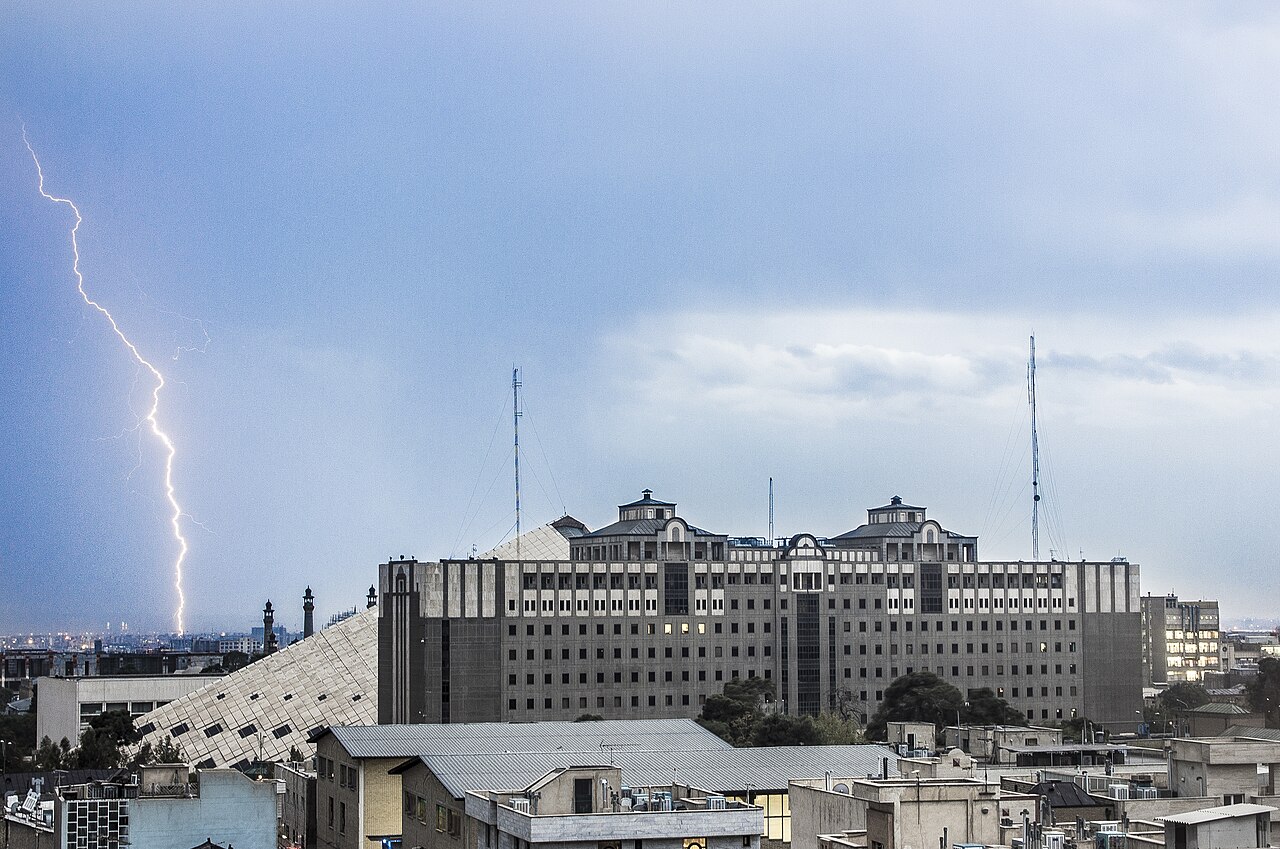
Iran suspended all diplomatic negotiations with the United States on June 1, blaming Israeli strikes against Hezbollah in Lebanon for what Tehran called a ceasefire violation. The announcement masked a deeper pattern of aggression. While Iranian officials demanded an immediate halt to Israeli operations, their military fired ballistic missiles at American troops in Kuwait and targeted Gulf oil infrastructure.
The withdrawal from talks exposes a calculated strategy rather than genuine diplomatic principles. Tehran has weaponized threats to global energy markets while actively attacking U.S. forces and regional allies. The approach validates longstanding skepticism toward engaging with a regime that prefers coercion over compromise.
Tasnim News Agency, a state-affiliated outlet, announced the suspension while simultaneously threatening to completely block the Strait of Hormuz and activate the Bab el-Mandeb Strait. Oil prices surged more than 7 percent following the threats.
The economic coercion connects directly to Iran's documented 14-point negotiation proposal. The plan explicitly demands Iranian control of the strategic waterway, along with reparations, lifting of sanctions, release of frozen assets, and withdrawal of U.S. troops from the region.
Iranian officials publicly accuse America of ceasefire violations while their own military actions tell a different story. Foreign Minister Abbas Araghchi declared on June 1 that "the ceasefire between Iran and the US is unequivocally a ceasefire on all fronts, including in Lebanon."
CENTCOM intercepted two Iranian ballistic missiles targeting American forces in Kuwait that same evening. U.S. commanders struck Iranian radar and drone sites in self-defense after Tehran shot down a U.S. Predator drone near the Strait of Hormuz.
Parliament Speaker Mohammad Bagher Ghalibaf, Iran's lead negotiator, accused the United States of "noncompliance with the ceasefire" through its naval blockade and support for Israel. "Every choice has a price, and the bill comes due," Ghalibaf wrote on social media.
The blockade, imposed April 13, has significantly restricted Iran's ability to export oil and military supplies. White House Press Secretary Karoline Leavitt noted Iran's navy has been "reduced to piracy" from what was once the region's most powerful fleet.
Iran's Foreign Ministry spokesperson Esmaeil Baqaei acknowledged negotiations began "amid severe suspicion and mistrust." He stated "the other party is constantly changing its views and putting forward new or contradictory demands."
Ebrahim Azizi, head of Iran's Parliament national security commission, warned of "severe consequences for the Zionist regime and U.S. forces in the region" if attacks on Lebanon continue. He asserted Tehran is "prepared for a military response."
The administration maintains a firm posture despite Iranian brinkmanship. President Donald Trump told NBC News, "I think it's fine if they're done talking. It's an appropriate thing to say, because they're better negotiators than they are fighters. But they haven't informed us of that. It doesn't mean we're going to go and start dropping bombs all over there. We'll keep the blockade."
Trump toughened the terms of a tentative framework agreement in late May. Treasury Secretary Scott Bessent declined to confirm reports of progress on that framework.
At least 13 U.S. service members have been killed and 409 wounded since hostilities began February 28. Iranian strikes have killed at least 10 people in Kuwait and wounded three Indian nationals at a UAE oil refinery in May.
The human toll continues mounting across the region. Health ministry figures report at least 3,468 killed in Iran and between 3,371 and 3,433 in Lebanon. Israeli forces seized the strategic Beaufort Castle in southern Lebanon on May 31, marking their deepest advance in 26 years.
Diplomatic efforts continue separately between Israel and Lebanon. Secretary of State Marco Rubio proposed a framework for "gradual de-escalation." Lebanese President Joseph Aoun called negotiation "safer than war," though Hezbollah leaders publicly reject any binding agreement.
Iran's intransigence validates conservative assessments that appeasement emboldens hostile regimes. Despite facing a naval blockade and targeted military strikes that degraded its capabilities, Tehran responds with threats to global oil supplies rather than compromise.
As Israeli forces advance in Lebanon and Iran continues threatening regional stability, the collapse of talks underscores the necessity of maintaining relentless pressure. Families from Kuwait to the Persian Gulf now brace for whatever comes next, while their governments face a regime that respects strength over dialogue.