Iranian Aggression Tests Ceasefire as US Strikes Missile City
Iran shot down a US drone and launched missiles at American forces despite a ceasefire, prompting retaliatory strikes on Iran's strategic Qeshm Island and escalating tensions in the Strait of Hormuz.
An American MQ-1 Predator drone vanished over international waters Saturday, shot down by Iranian fire. That single act shattered whatever remained of the ceasefire between Washington and Tehran, triggering retaliatory strikes on Iran's fortified island fortress and escalating a conflict that now holds the global economy hostage.
U.S. Central Command launched measured self-defense strikes on Saturday and Sunday, targeting Iranian radar systems and command centers on Qeshm Island and Goruk. American fighter aircraft eliminated Iranian air defenses, a ground control station and two one-way attack drones that threatened ships moving through regional waters, CENTCOM said. No U.S. service members were harmed in the operations.
Iran escalated further Sunday night by firing ballistic missiles at American forces stationed in Kuwait. At 11 p.m. ET, U.S. defenses intercepted both projectiles without casualties, CENTCOM reported. The attack coincided with Iran's effective blockade of the Strait of Hormuz, a chokepoint through which 20 percent of global oil and liquefied natural gas flows. CENTCOM has rerouted 121 commercial vessels as shipping remains severely disrupted.
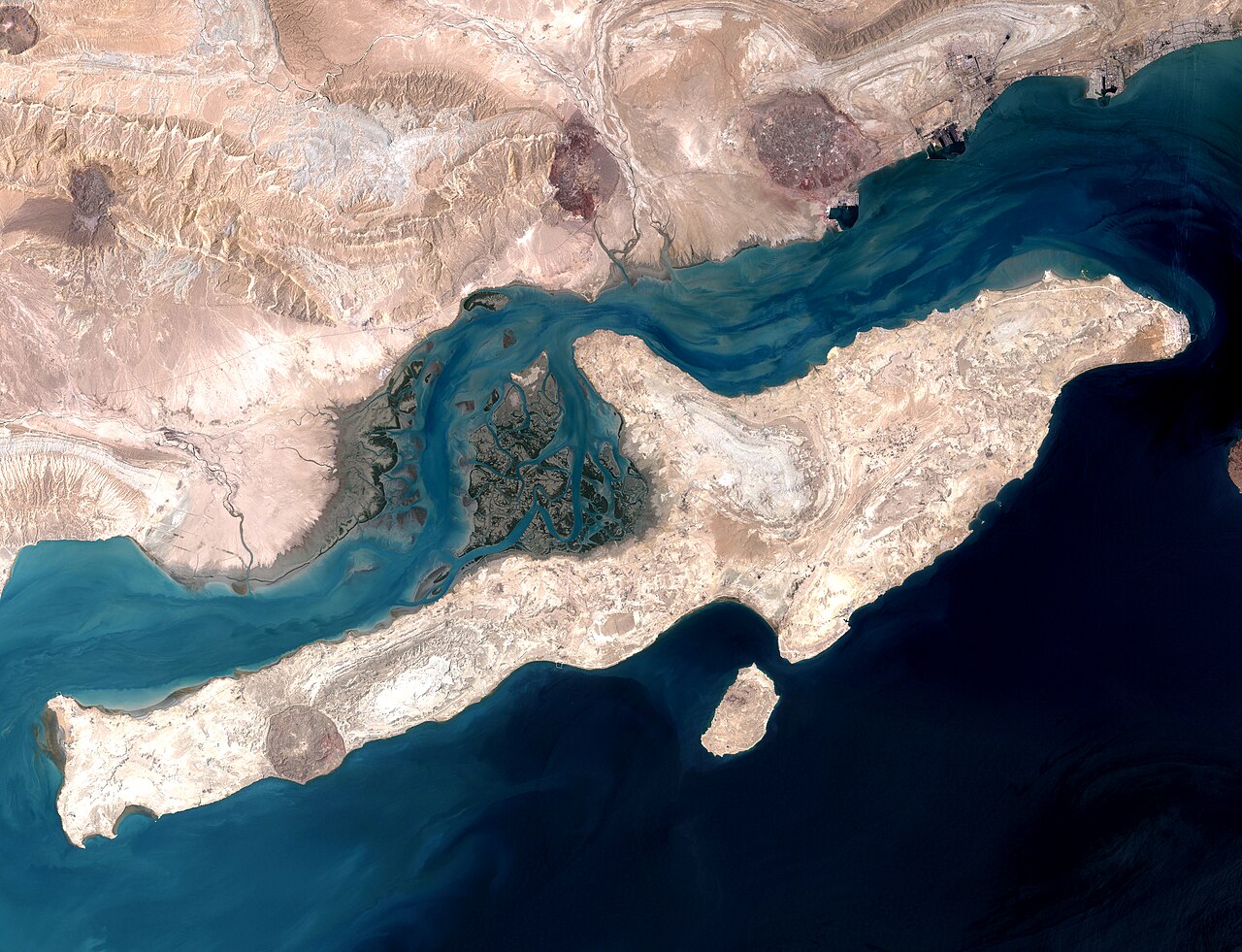
The strikes hit Qeshm Island, Iran's underground missile city that functions like an unsinkable aircraft carrier in the strategic waterway. The 558-square-mile island south of Bandar Abbas contains vast tunnel networks packed with missiles, bunkers and air-raid shelters, serving as the Islamic Revolutionary Guard Corps' primary denial hub. U.S. forces surgically degraded this critical node in Iran's blockade strategy, showing that measured military action can cripple rogue capabilities without triggering full-scale war.
Tehran's attacks expose the ceasefire as hollow, despite diplomatic posturing from both sides. The April 8 truce has failed to stop Iranian provocations. Senior fellow Negar Mortazavi described Iran's approach to negotiations as a "finger on the trigger" mentality. "We go to these talks every time with our finger on the trigger, expecting bombs to fall from the sky," Mortazavi said, quoting Iranian sources. This intransigence follows years of appeasement that allowed Tehran to strengthen its military capabilities.
President Donald Trump held a steady course amid pressure from both sides. "Iran really wants to make a deal, and it will be a good one for the U.S.A. and those that are with us," Trump wrote on Truth Social May 31. "Just sit back and relax, it will all work out well in the end — It always does!" He told NBC News June 1 that "going silent would be very good" while maintaining the naval blockade. "We'll keep the blockade. Blockade is a piece of steel," he said in an interview with ABC News. His administration recently sent a tougher peace proposal back to Tehran covering nuclear and Hormuz terms.
Defense Secretary Pete Hegseth pushed back against concerns about depleted munitions supplies. "Our stockpiles are more than suited for that, both there and around the globe, so we're in a very good place," Hegseth said. "I take issue with the characterization that munitions are depleted in a public forum. That's not true." A CSIS report indicates replenishing THAAD interceptors could take until late 2029, with Tomahawk cruise missiles not fully restored until 2030. The U.S. has lost at least 24 MQ-9 Reaper drones worth roughly $1 billion during the three-month conflict.
Oil prices jumped nearly 5 percent Monday as global economic stakes climbed. Brent crude rose 4.9 percent to $95.60 per barrel, while West Texas Intermediate climbed 5.9 percent to $92.55. Gulf allies united in condemning Iran's aggression. Kuwait called the attacks "heinous and repeated" violations of international law. Qatar, the United Arab Emirates, Saudi Arabia and Jordan expressed full solidarity with Kuwait against what Jordan and Kuwait's Foreign Ministry called "a dangerous escalation." UAE Presidential Adviser Dr. Anwar Gargash said the attacks undermine efforts to promote security and stability in the region.
Iran's strategy of economic coercion faces determined resistance, and firm American leadership remains the clearest path to resolution. Colin Clarke, executive director of the Soufan Center, warned that Iran can weaponize the Strait of Hormuz indefinitely. "The Iranians know this is a winning card," Clarke said. "They can shut down the global economy by attacking the Gulf states, by closing the strait with mines and shoulder-fired missiles. But closing down the strait? They can do that ad infinitum." The weekend exchanges prove that measured American force remains essential against rogue state aggression while negotiations continue.