Israel Strikes Iran Despite Trump's Pleas for Restraint
Israeli fighter jets struck Iranian military sites and a petrochemical complex Monday morning, defying President Trump's urgent calls for restraint and sending oil prices surging past $96 a barrel.
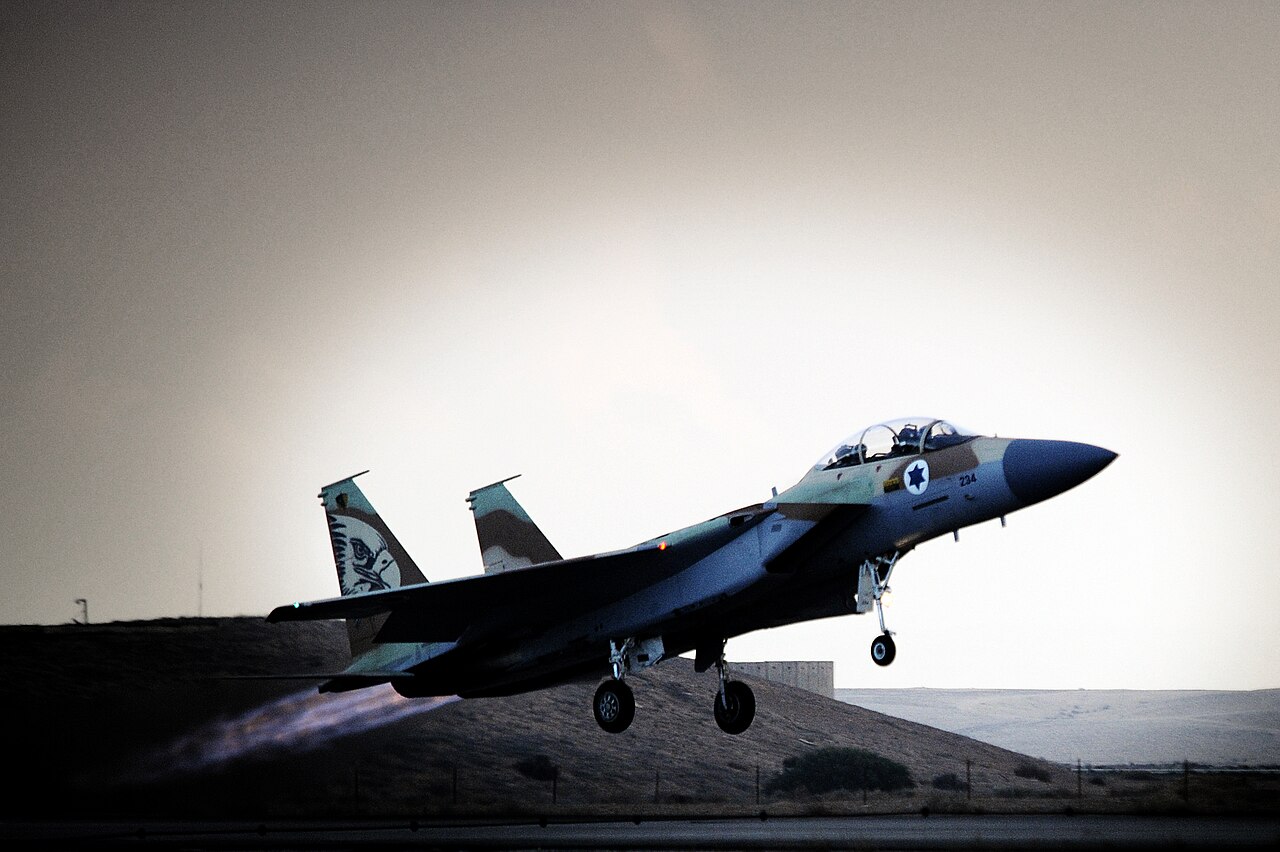
Israeli fighter jets carved through Iranian airspace early Monday, striking military installations and a petrochemical complex in retaliation for Tehran's ballistic missile barrage. The strikes came hours after President Donald Trump personally called Prime Minister Benjamin Netanyahu to urge inaction, defying the president's urgent pleas for restraint. Brent crude oil surged past $96 a barrel as the attacks exposed the gap between diplomatic convenience and security necessity.
Israeli forces hit nine Iranian air defense systems and the Karun Mahshahr Petrochemical Company in western and central Iran. The Israel Defense Forces stated the facility produced "unique materials that serve as essential components in the development of ballistic missiles." Iran had launched 11 ballistic missiles at Israeli airbases Sunday night, all intercepted by the Iron Dome and Arrow defense systems. No casualties resulted from the Iranian attack, but the scale of the threat demanded response.
Trump told Netanyahu to refrain from striking because "we are close to doing something good in terms of a deal," according to U.S. officials briefed on the call. The president declared in a Financial Times interview published Monday, "I call the shots. I call all the shots. He doesn't call the shots." Trump later posted on Truth Social that "Israel and Iran must immediately stop 'shooting.'" Israel proceeded with precision strikes that underscored the irreconcilable gap between deal-making and security realities.
The attacks shattered an April 8 ceasefire brokered by Pakistan, which the Trump administration had agreed to support. Iran has suffered an estimated $144 billion in economic damage from the war, excluding blockade and sanctions losses, with its currency in free fall. Tehran continued its military campaign despite the economic pressure, demonstrating that diplomatic engagement alone cannot contain a regime committed to regional destabilization.
Israeli Ambassador Yechiel Leiter stated Iran fired 11 ballistic missiles that "can level an entire neighborhood and kill hundreds. No self-respecting country in the world would tolerate such an attack, and neither will Israel." Former Defense Minister Yoav Gallant revealed the broader strategic objective to Israeli media. "The campaign was for — to stop the nuclear program," Gallant said. "The uranium enriched to high and medium levels represents 30 years of Iran's nuclear efforts. If you bring it to you, you've set them 30 years back."
Global markets reacted immediately to the renewed hostilities. Brent crude rose 3.29 percent to $96.15 a barrel in early Monday trading before climbing to $97.60. West Texas Intermediate crude climbed 3.25 percent to $93.48, later reaching $94.64. The Strait of Hormuz blockade has kept prices elevated since February, affecting one-fifth of global crude and LNG transit. Brent peaked at more than $119 in March and later reached $126.41 in April. Oil prices fell slightly after Iran announced suspension of operations but remained elevated, reflecting persistent market fears.
Diplomatic efforts remain stalled. U.S. demands call for zero nuclear enrichment and dismantled uranium stockpiles, while Iran demands release of $24 billion in frozen assets and sanctions relief. Iran's Khatam al-Anbiya Central Headquarters announced "the cessation of armed forces operations" Monday but warned that "if the aggression and acts of malice continue, including in southern Lebanon, much more severe and crushing measures than before will be forthcoming." The Islamic Revolutionary Guard Corps claimed its June 7 attack was merely a "warning" and threatened broader strikes on U.S. and Israeli targets.
A U.S. official confirmed to Axios that Washington did not participate in the Israeli strikes on Iran, describing them as "relatively limited." The Iranian Foreign Ministry stated "the United States bears responsibility for the Israeli regime's aggression." Parliament Speaker Mohammad Bagher Ghalibaf declared U.S. bases "legitimate targets" due to Washington's "green light" to Israel.
The escalation underscores the tension between Trump's deal-making and Israel's security requirements. Al Jazeera's Nida Ibrahim noted Israel was "not going to listen to Trump's calls for de-escalation — not just because Israel wanted war, but also because Netanyahu's image had taken a hit, as he was increasingly seen as someone who follows Trump's orders." With diplomatic efforts exhausted and Iranian aggression continuing, Israel chose to act on its own terms. Families who live under the shadow of Iranian missiles know their government will not subordinate their survival to diplomatic convenience.