Maximum Pressure Campaign Dismantles Castro Economic Empire
The Trump administration's maximum pressure campaign systematically dismantles the Castro family's economic empire as Cuba faces acute energy shortages, mass business exodus, and payment system collapse.
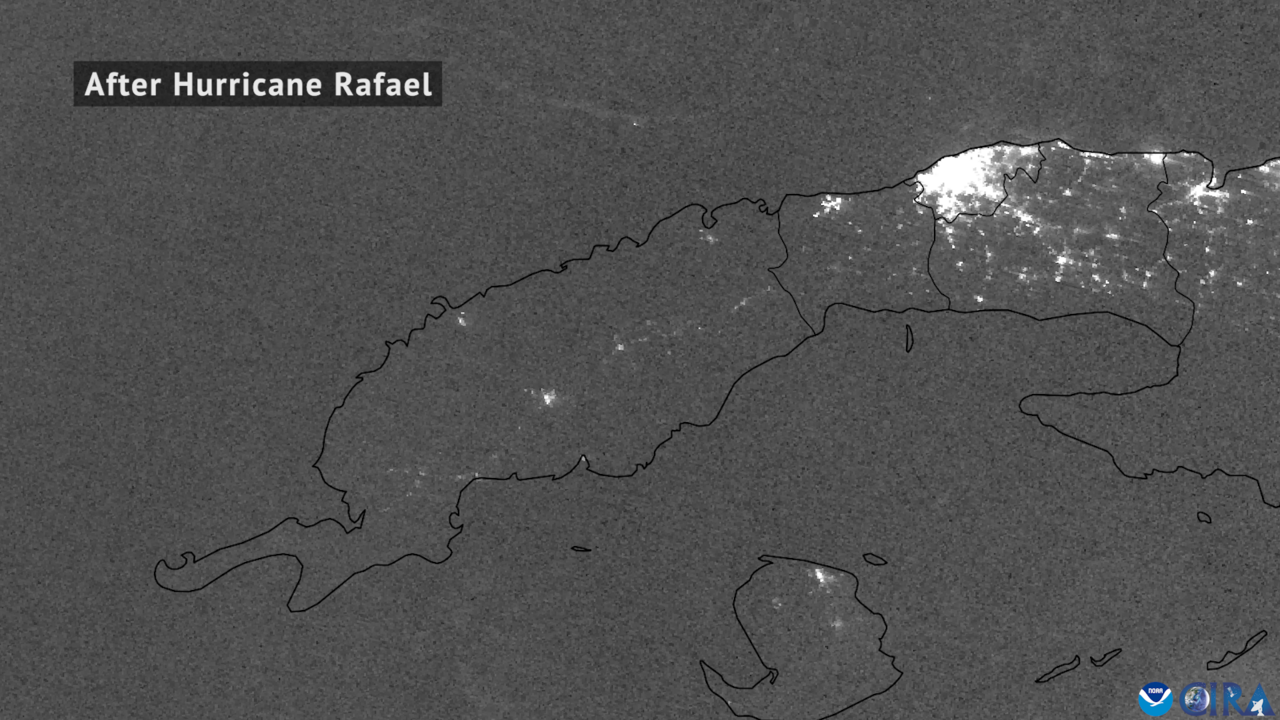
Cuba has nothing left to run on. Fuel depots sit empty, payment systems have frozen, and blackouts now stretch 22 hours each day across an island that the Castro regime has impoverished for nearly seven decades. The Trump administration's maximum pressure campaign strikes directly at the family dynasty responsible for that collapse. An oil blockade, sweeping secondary sanctions, and criminal indictments are systematically dismantling the Castro economic empire.
Power outages now stretch up to 22 hours daily across the island. Cuban Energy Minister Vicente De La O Levy confirmed oil and diesel reserves had depleted by May 14. Visa and Mastercard suspended operations June 6 after a foreign bank severed ties with GAESA, the military conglomerate controlling 40 percent of Cuba's economy.
The financial isolation accelerated as international partners withdrew. Spain's Meliá halted 15 of 34 Cuban hotels June 3. Iberostar ceased managing 12 of 18 properties June 1. Blue Diamond Resorts fully exited Cuba, abandoning approximately 15 hotels. Archipelago International left six properties. Iberia suspended its Madrid-Havana route until Oct. 24.
On June 4, the State Department designated Cuban President Miguel Díaz-Canel, his wife Lis Cuesta Peraza, her son Manuel Anido Cuesta, Alejandro Castro Espín, Raúl Castro's son, and Raúl Alejandro Castro Calis under Executive Order 14404. Five entities also faced sanctions: MINFAR, CDR, ICAP, Amistur Cuba SA, and Minera La Victoria SA.
Secretary of State Marco Rubio stated the sanctions target "the Cuban regime's wide-ranging and violent radical action network and the actors who implement and fund it."
The June 4 action followed earlier escalations. Executive Order 14404 established secondary sanctions authority May 1, allowing the U.S. to penalize foreign companies doing business with designated Cuban entities. On May 7, the administration sanctioned GAESA, the military-run conglomerate with up to $20 billion in assets. Eleven officials and three security agencies faced sanctions May 18.
"The U.S. will no longer tolerate radical Marxist regimes exporting their poisonous and evil 'revolution' to the U.S. and elsewhere," Rubio declared.
The oil blockade began in February when Trump's executive order imposed tariffs on countries supplying fuel to the island. Cuba reported no oil shipments for three months by early March. Russia delivered 100,000 tonnes March 30, insufficient to sustain the island. At least 11 airlines suspended or cut flights.
Tourism collapsed 55.8 percent from January through April compared to 2025. Just 30,551 visitors arrived in April versus 4.7 million in 2018.
Legal accountability arrived May 20 when the Justice Department unsealed a superseding indictment charging former President Raúl Castro with conspiracy to kill U.S. nationals, destruction of aircraft, and four counts of murder. The charges stem from the 1996 Brothers to the Rescue shootdown that killed four Americans.
Acting Attorney General Todd Blanche stated, "For the first time in nearly 70 years, senior leadership of the Cuban regime has been charged in the United States for alleged acts of violence resulting in the deaths of American citizens."
Blanche added, "President Trump and this Justice Department are committed to restoring a simple principle: if you kill Americans, we will pursue you. No matter who you are. No matter what title you hold."
FBI Director Kash Patel called the indictment "a major step toward accountability in the 1996 murders of four Brothers to the Rescue members."
Cuban officials responded with defiance. Díaz-Canel warned of "imperial assault" and "worst-case scenarios." His wife Lis Cuesta called the sanctions "almost an honor" in a social media post. At Raúl Castro's 95th birthday celebration June 6, Díaz-Canel declared, "Raúl is Raúl. Raúl is Cuba, and Cuba is untouchable."
The reality contradicts regime rhetoric. Cuba's economic paralysis deepens daily. Meliá cited the "geopolitical, social, legal, and economic context" for its withdrawal. Emilio Morales, president of the Havana Consulting Group in Miami, described Cuba's transformation.
"GAESA was not powerful. It had a modest market share in Cuba," Morales said. "But it made its power play in 2016 when it absorbed the BFI, by an order signed by Raúl. Now it has gone from being a socialist state to a mafia state."
President Trump assessed Cuba's condition June 4. "It's sort of collapsed," he said. "The country is starving and it's got no energy, it's got no oil, it's got no money, it's got nothing." He added, "We're going to handle that as soon as we've finished military operations in Iran. I like to do one thing at a time."
The administration distinguishes between pressure targets and potential intermediaries. Raúl Castro's grandson, Raúl Guillermo Rodríguez Castro, avoided sanctions despite meeting CIA Director John Ratcliffe in Havana for backchannel negotiations in May. The strategy mirrors the Venezuela approach: maximum pressure with an off-ramp for negotiation.
Christine Balling, a Cuba expert at the Institute of World Politics, noted the indictment signals "we are 100 percent behind the fall of the Castro regime." She added, "At the very least, it means symbolically that he is now set up just as Nicolás Maduro was." Balling later noted, "I don't think that we are necessarily going to conduct the same operation. Raúl Castro is 94 years old. It might not be worth the trouble."
The campaign demonstrates a confrontational approach to communist dictatorships, working where decades of engagement and appeasement failed. Oil shortages, tourism collapse, and direct targeting of the Castro dynasty deliver concrete results absent from previous diplomatic efforts.
Trump summarized the objective simply: "We just want them to be a nicely run country."