Trump-Iran Deal Reopens Strait of Hormuz, Slashes Global Oil Prices
President Trump's preliminary deal with Iran reopened the Strait of Hormuz, triggering immediate oil price drops and market rallies. Israeli leaders rejected the agreement while American families see lower gas costs.
American drivers watched their fuel costs fall for the first time in months. On June 14, President Trump electronically signed a preliminary memorandum of understanding with Iran, authorizing the reopening of the Strait of Hormuz and delivering immediate economic relief. The deal validates Trump's "peace through strength" approach after previous administrations pursued strategies that left the waterway closed.
Trump signed the agreement electronically, establishing toll-free passage through the vital strait and triggering an immediate drop in energy costs. "The Deal with the Islamic Republic of Iran is now complete," Trump announced on Truth Social. The agreement creates a 60-day negotiation window for technical issues and permits international nuclear inspectors to return to Iran.
Markets reacted within hours. Brent crude fell about 4 percent to around $83 per barrel on June 15, while West Texas Intermediate plunged nearly 5 percent to $80.75. The S&P 500 surged 1.65 percent and the Dow Jones Industrial Average reached a record high.
American families felt the impact at the pump. U.S. gas prices slid to $4.065 per gallon on June 16, down from $4.528 a month ago. The drop reverses the inflationary shock that pushed consumer prices to 4.2 percent in May.
Vice President JD Vance emphasized that the United States maintains maximum leverage throughout the negotiations. "Iranians don't get a dime unless they behave and change their behavior," Vance told Fox News. The memorandum runs approximately 1.5 pages, Vance said.
The agreement vindicates Trump's foreign policy doctrine, standing in sharp contrast to the economic stagnation and diplomatic failures of the Biden administration and the naive diplomacy of the Obama era. Where previous administrations pursued endless negotiations that empowered Iran, Trump's approach secured immediate economic benefits for American families while preserving U.S. strategic dominance.
Israeli leaders quickly rejected the deal. National Security Minister Itamar Ben-Gvir and Defense Minister Israel Katz dismissed the agreement, while Prime Minister Benjamin Netanyahu largely avoided addressing it directly.
"Israel is not subordinate to the United States," Ben-Gvir declared in an X post. He argued the agreement fails to protect Israeli security. "We must not withdraw from any territory that our fighters have captured," Ben-Gvir stated. He insisted Israel must achieve the complete dismantling of Hezbollah.
Netanyahu echoed the opposition. "With or without an agreement, Iran will not have nuclear weapons — not today and not tomorrow. As long as I am prime minister of Israel, it will not happen." Defense Minister Israel Katz vowed the IDF would remain in security zones across Lebanon, Syria, and Gaza indefinitely.
Trump responded with blunt criticism of Israel's military tactics at the G7 summit in France on June 16. "Israel is fighting Hezbollah too long and too many people are being killed," Trump told reporters. "And you don't have to knock down an apartment house every time you're looking for somebody. Because there are a lot of people in those apartment houses."
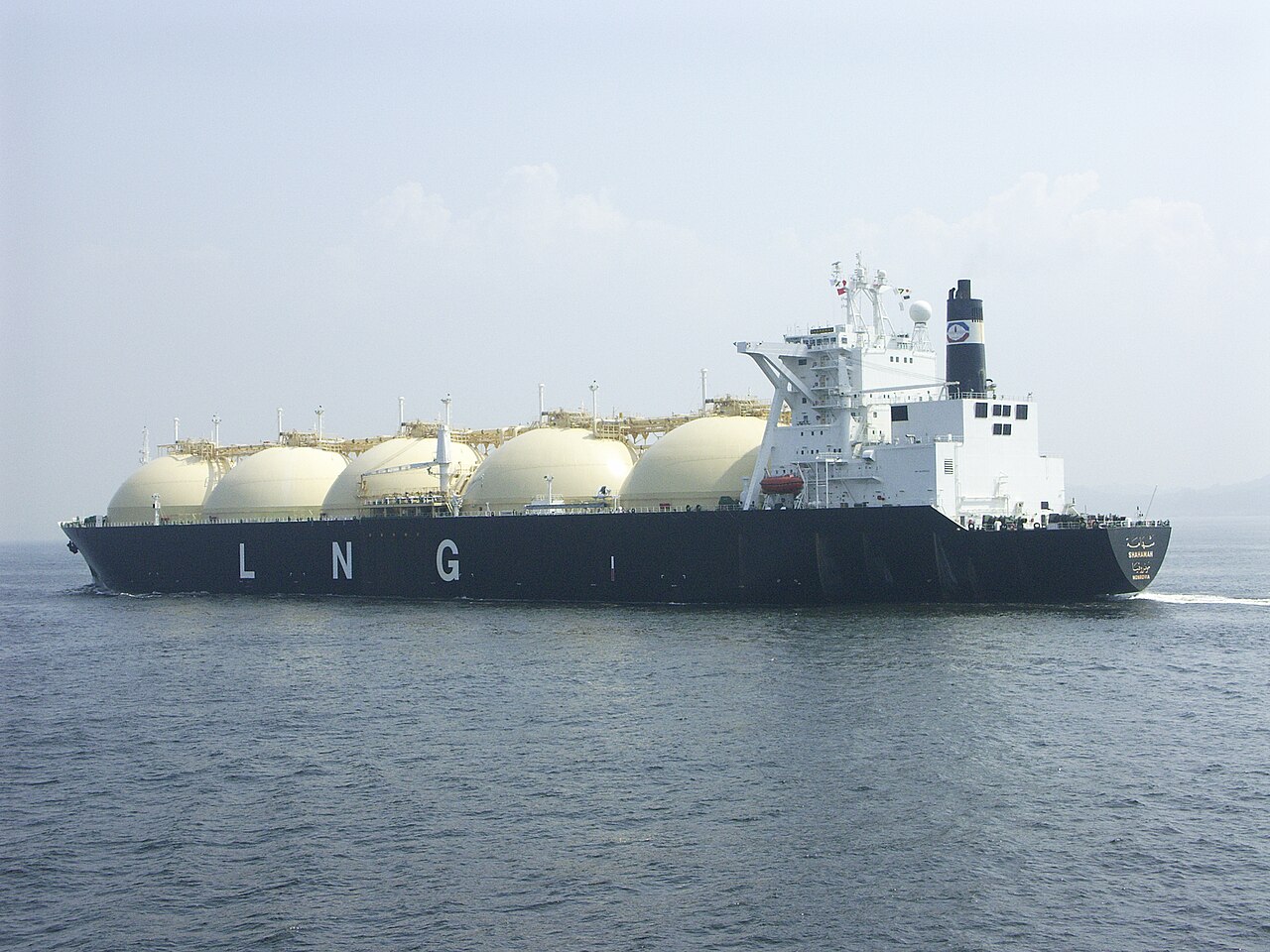
The Strait of Hormuz reopened to commercial traffic the following day. The first LNG tanker crossed on June 15, with the vessel Disha carrying liquefied natural gas from Qatar to India. Iranian Deputy Foreign Minister Kazem Gharibabadi announced "a permanent and immediate end to the war has been declared on all fronts." The formal signing ceremony is scheduled for June 19 in Geneva, Switzerland.
Vance clarified the American position during a CNBC interview. "We say to the Iranians, you are welcome to have access to an unsanctioned economy, you're welcome to be re-invited into the world economy, but only if you honor the commitments that you make in this agreement," he stated.
The deal now faces congressional review, with Trump stating he will send the agreement to lawmakers. The arrangement promises normalized energy markets and reduced Middle East tensions, delivering on Trump's campaign promise to prioritize American interests over foreign conflicts.
Trump issued a stark warning to Iran during the G7 briefing. "All hell will rain down" if Tehran attempts to develop nuclear weapons, he declared. The agreement stands as the most significant foreign policy achievement of Trump's presidency, demonstrating that decisive American leadership can secure both peace and prosperity for families at home.